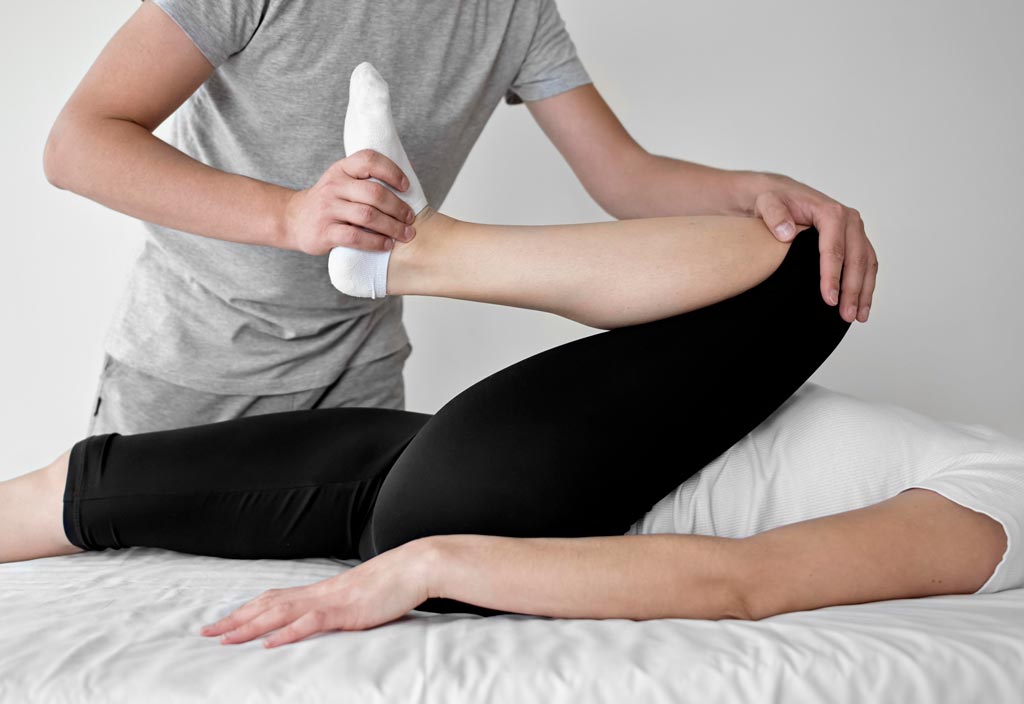
Desk professionals spend long hours seated, often facing screens with limited movement. This routine gradually creates muscular tension, spinal compression, and mental fatigue. Massage care offers a structured solution by addressing tight tissues, improving circulation, and restoring balance in overworked muscle groups, with techniques such as Fascial Stretch Therapy helping lengthen restricted muscles and improve joint mobility. Regular sessions reduce stiffness in the neck, shoulders, and lower back while promoting relaxation. Integrating massage into a weekly or monthly schedule supports comfort, productivity, and long-term musculoskeletal health for individuals working in sedentary environments.
Physical Benefits of Massage for Desk Workers
Prolonged sitting shortens hip flexors, weakens core muscles, and strains the cervical spine. Massage therapy releases accumulated tension in the shoulders and upper back, reducing stiffness that develops from keyboard use and screen positioning. Increased blood circulation delivers oxygen and nutrients to fatigued tissues, promoting recovery. Improved joint mobility and flexibility assist in correcting posture imbalances. Consistent care minimizes the risk of repetitive strain injuries, helping desk workers maintain comfort and structural alignment during demanding work schedules.
Massage techniques also stimulate lymphatic drainage, reducing inflammation and fluid retention caused by limited movement. Gentle manipulation of soft tissues helps break down adhesions that restrict motion. Relief from lower back discomfort often follows targeted therapy around the lumbar region and hips. Professionals who invest in regular sessions report improved physical endurance throughout the workday. Over time, these improvements support stronger posture habits and reduce dependency on pain medications or temporary solutions.
Mental and Emotional Benefits
Desk work often demands sustained concentration, tight deadlines, and minimal physical breaks. Massage therapy calms the nervous system by lowering cortisol levels and encouraging parasympathetic activity. This shift promotes mental clarity and emotional balance. Endorphin release supports mood improvement and reduces feelings of burnout. Employees who schedule routine sessions frequently experience enhanced focus and reduced irritability, allowing them to approach tasks with renewed motivation and steadier attention.
Mental restoration gained from massage also contributes to improved sleep quality. Relaxed muscles and regulated stress hormones create favorable conditions for deeper rest. Quality sleep strengthens immune function and cognitive performance. Emotional resilience improves as stress levels decline, supporting better communication and teamwork in professional environments. Structured relaxation through massage creates a measurable impact on overall workplace satisfaction and psychological stability.
Specific Techniques That Help Desk Job Stress
Targeted methods provide measurable results for office-related discomfort. Deep Tissue Massage addresses chronic muscle tightness by applying firm pressure to deeper layers of connective tissue. Swedish Massage supports overall relaxation through rhythmic strokes that stimulate circulation. Myofascial Release focuses on fascia restrictions that limit mobility. Trigger Point Therapy reduces localized knots responsible for radiating pain. Selecting a suitable technique ensures that therapy aligns with individual physical demands and stress patterns.
Fascial Stretch Therapy offers an additional structured approach that improves flexibility through assisted stretching. This method lengthens tight muscle groups affected by prolonged sitting. Improved range of motion in hips and shoulders contributes to better posture and reduced strain. Professionals who combine stretching-focused therapy with strengthening exercises notice greater comfort during extended desk hours. Technique selection guided by a licensed therapist ensures safe application and optimal long-term outcomes.
Workplace Integration of Massage Care
Organizations increasingly recognize massage care as a strategic wellness investment. On-site chair massages during lunch breaks provide quick tension relief without disrupting workflow. Short sessions targeting neck and shoulder stiffness improve morale and reduce fatigue. Workshops on posture correction and guided stretching complement professional massage therapy. Employers who support wellness initiatives often observe decreased absenteeism and improved team performance. Structured programs encourage proactive health management rather than reactive treatment.
Remote employees can integrate massage into their routines by scheduling appointments outside peak work hours. Ergonomic adjustments combined with periodic therapy maximize benefits. Digital reminders for stretch breaks reinforce posture awareness. Companies that prioritize employee well-being cultivate healthier work cultures and higher retention rates. Practical implementation of massage services within corporate frameworks demonstrates measurable returns in productivity and job satisfaction.
How Regular Massage Reduces Long-Term Health Risks
Extended sedentary habits increase vulnerability to chronic back pain, cervical strain, and circulation issues. Massage improves spinal alignment by addressing muscular imbalances that pull the body out of neutral posture. Reduced stress hormone levels contribute to cardiovascular health. Consistent sessions lower the likelihood of repetitive strain injuries commonly associated with typing and mouse usage. Long-term commitment to therapeutic care supports sustainable physical resilience and occupational longevity.
Muscle recovery achieved through structured therapy also prevents compensatory movement patterns that lead to joint degeneration. Improved flexibility decreases stiffness in major muscle groups supporting the spine. Professionals who adopt preventative massage strategies often report fewer medical consultations related to musculoskeletal pain. Balanced muscle function and reduced inflammation create a protective effect against progressive discomfort linked to desk-bound careers.
Step-by-Step Guide to Adding Massage Into a Desk Job Routine
Start by assessing areas of consistent tension, particularly in the neck, shoulders, and lower back. Schedule an initial consultation with a licensed massage therapist to determine appropriate techniques. Establish a realistic frequency, such as biweekly or monthly sessions, based on workload and physical demands. Track physical improvements and stress levels after each visit to measure progress objectively.
Incorporate daily micro-breaks that include gentle stretching and posture resets. Combine professional massage with strengthening exercises that target core stability and hip mobility. Maintain hydration to support muscle recovery following therapy. Evaluate workstation ergonomics to complement therapeutic benefits. Consistent action through structured planning transforms massage care from an occasional luxury into a strategic health investment.
Conclusion:
Massage care provides a practical and evidence-informed solution for desk workers seeking relief from tension and stress. Physical restoration, improved posture, mental clarity, and long-term injury prevention form the foundation of its benefits. Regular integration into personal or corporate wellness routines promotes resilience and sustained productivity. Professionals who prioritize therapeutic maintenance position themselves for healthier careers and improved quality of life while managing the demands of sedentary employment.
FAQs
1. How often should someone with a desk job get a massage?
Biweekly or monthly sessions effectively manage tension and maintain posture alignment for most professionals.
2. Can massage therapy correct poor posture permanently?
Massage improves muscle balance and flexibility, supporting posture correction when combined with strengthening exercises.
3. Is chair massage effective during work hours?
Short chair sessions reduce neck and shoulder tension, increase circulation, and improve focus without requiring extended breaks.
4. Which massage technique works best for chronic neck pain?
Deep Tissue Massage and Trigger Point Therapy provide targeted relief for persistent cervical tension.
5. Does massage therapy help reduce workplace stress?
Massage lowers cortisol levels, promotes relaxation, and improves emotional resilience, contributing to better productivity and mood.