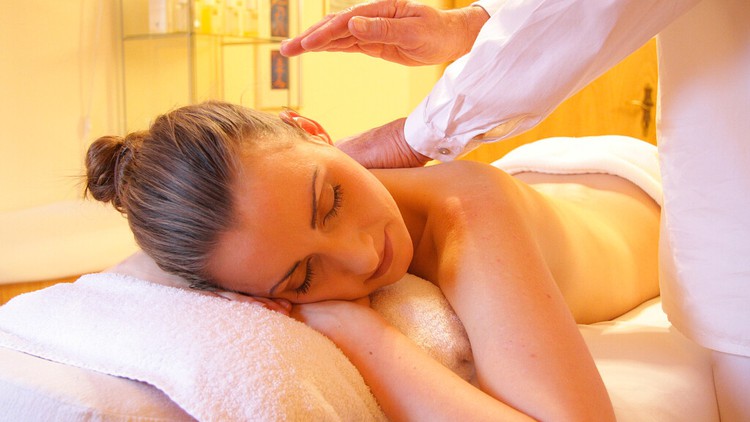
Posture and body alignment are essential for comfort, physical performance, and overall health. Muscle tension from sedentary lifestyles, stress, or repetitive movements can cause spinal misalignment, leading to pain and restricted mobility. Massage therapy provides targeted techniques to release tight muscles, reduce joint stress, and restore natural posture. Learning methods such as Shiatsu massage course enables individuals to understand the connection between muscular tension and body mechanics. Over time, massage improves movement efficiency, supports spinal health, and encourages the body to maintain a balanced and upright stance throughout daily activities.
Posture and Body Alignment
Posture is the position the body maintains while standing, sitting, or lying down. Proper alignment distributes weight evenly across muscles and joints, reducing fatigue and preventing chronic discomfort. Poor posture can lead to tension, restricted mobility, and pain in the back, shoulders, and neck. Massage therapy alleviates these issues by loosening tight muscles, increasing blood flow, and promoting relaxation. By supporting muscles and joints to return to their natural position, massage encourages long-term spinal alignment, better body mechanics, and enhanced awareness of one’s posture in everyday activities.
How Massage Targets Muscle Imbalances
Muscle imbalances are a primary cause of poor posture. Some muscles become overly tight while others weaken due to repetitive motion, inactivity, or improper body mechanics. Massage therapy addresses these imbalances by loosening overactive muscles, stimulating underused muscles, releasing trigger points, improving spinal alignment, and enhancing overall flexibility. Consistent massage sessions restore muscle symmetry, allow joints to move efficiently, and reduce strain. By correcting these imbalances, the body achieves better coordination and alignment, helping prevent chronic pain and encouraging more natural and balanced posture over time.
Spinal Health and Massage
The spine is central to maintaining proper posture. Misalignments can affect body mechanics, increase the risk of pain, and reduce mobility. Massage techniques, including deep tissue, myofascial release, and Swedish massage, target spinal muscles and connective tissue, relieving tension and improving flexibility. Regular spinal care through massage reduces compression between vertebrae, enhances surrounding muscle function, and promotes natural alignment. Maintaining spinal health not only improves posture but also supports movement efficiency and reduces the likelihood of musculoskeletal injuries, contributing to a stronger, more balanced body structure over the long term.
Massage and Muscle Relaxation
Tense muscles contribute to postural problems by pulling joints out of position and restricting movement. Massage promotes muscle relaxation by increasing circulation, reducing stiffness, and calming the nervous system. Relaxed muscles allow the body to settle into a neutral alignment, supporting a natural and upright posture. Over time, consistent massage therapy prevents habitual slouching, improves flexibility, and enhances body awareness. Muscle relaxation also reduces discomfort and supports overall well-being. Integrating regular massage sessions into daily routines helps maintain proper alignment, encourages efficient movement, and strengthens the body’s ability to sustain a balanced posture.
Benefits for Sedentary Lifestyles
Extended sitting and desk-based routines often lead to forward head posture, rounded shoulders, and tight hip flexors. Massage therapy focuses on these problem areas, releasing tension in the neck, shoulders, and lower back. By relieving muscle stiffness and improving circulation, massage realigns the spine and reduces strain. When combined with stretching and light exercise, these sessions can prevent posture-related discomfort and improve long-term body mechanics. Individuals with sedentary lifestyles benefit from improved posture awareness, enhanced mobility, and reduced chronic pain, creating better support for daily activities and maintaining overall physical health.
Improving Posture Awareness Through Massage
Massage therapy enhances body awareness in addition to muscle relaxation. Skilled therapists identify areas of tension or misalignment and provide feedback on posture habits. Individuals gain insight into how certain movements and positions affect spinal alignment, which allows for conscious corrections throughout daily activities. Heightened awareness encourages better posture, reduces strain, and promotes a confident stance. With regular sessions, individuals gradually develop the ability to notice and adjust misalignment on their own, ensuring that improvements in posture are maintained naturally. This combination of guidance and self-awareness maximizes the long-term benefits of massage therapy.
Massage Techniques That Promote Alignment
Different massage techniques provide unique benefits for posture improvement:
- Deep Tissue Massage: Targets deep muscle layers to relieve chronic tension and improve alignment.
- Myofascial Release: Focuses on connective tissue to restore mobility and reduce restrictions.
- Swedish Massage: Enhances relaxation, improves circulation, and supports overall muscle health.
- Shiatsu Massage: Uses pressure points to balance energy flow and encourage proper posture.
- Trigger Point Therapy: Releases localized knots that restrict movement and promote tension relief.
Combining these techniques often delivers the most effective results for correcting posture and restoring muscular balance.
Long-Term Impact on Body Mechanics
Consistent massage therapy strengthens the body’s natural alignment and enhances movement efficiency. Muscle balance, improved joint mobility, and proper spinal positioning reduce the risk of injury and improve overall physical performance. Over time, the body adapts to holding itself in healthier positions, supporting better posture habits and increased confidence in movement. Long-term massage practice also promotes relaxation, reduces chronic tension, and encourages awareness of body mechanics, allowing daily activities to be performed with comfort, fluidity, and reduced risk of musculoskeletal strain.
Complementary Practices
Massage therapy works best when combined with other posture-supportive practices. Core exercises, pilates, and yoga strengthen stabilizing muscles and maintain spinal alignment. Ergonomic adjustments at workstations and proper footwear support body mechanics, while stretching routines enhance flexibility. Integrating these habits with regular massage creates a comprehensive approach to posture improvement. Individuals experience reduced strain, better balance, and enhanced overall well-being. This combination ensures long-lasting benefits and reinforces the corrective effects achieved through massage therapy, allowing the body to maintain alignment naturally throughout daily activities.
Conclusion
Massage therapy is a powerful tool for improving posture and maintaining proper body alignment. By releasing tension, addressing muscle imbalances, and promoting body awareness, massage supports efficient movement and reduces discomfort. Incorporating regular sessions alongside stretching, core strengthening, and ergonomic practices maximizes posture benefits. Over time, individuals experience enhanced spinal health, increased mobility, and long-term alignment improvements. Massage, combined with mindful practices, encourages a balanced stance, confidence in movement, and overall physical well-being, making it a vital component of any wellness routine.
FAQs
1. Can massage correct long-term posture issues?
Yes, targeted massage addresses muscle imbalances, releases tension, and allows the body to return to proper alignment over time.
2. Which massage techniques best improve posture?
Deep tissue, myofascial release, Shiatsu, Swedish massage, and trigger point therapy are effective for correcting misalignment.
3. How often should massage be performed for posture improvement?
Two to three sessions per month, combined with stretching or posture exercises, provide lasting benefits.
4. Does massage help spinal health?
Massage relieves spinal tension, improves mobility, reduces vertebral compression, and promotes natural alignment.
5. Can massage help people with desk jobs?
Yes, it releases tight neck, shoulder, and back muscles, realigns the spine, and improves posture for sedentary workers.