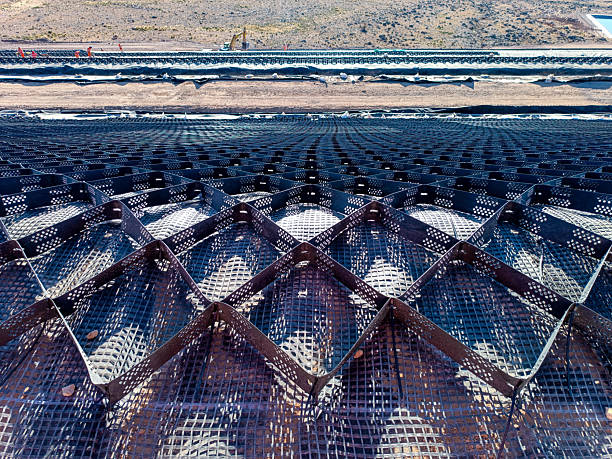
Geogrid materials are transforming modern infrastructure design in many parts of the world. Engineers now rely on these materials to improve soil strength and stability. As construction demands increase, the need for durable and cost-effective solutions is also rising. Geogrids help meet these needs by reinforcing weak soils and extending the life of structures. Their use is becoming common in roads, railways, and other large-scale projects.
Understanding the Role of Geogrid Materials in Construction
Geogrids are synthetic materials used to reinforce soil and other construction materials. They are made from polymers and designed in a grid-like structure. This design helps distribute loads more evenly across surfaces. As a result, roads and foundations become stronger and more stable.
In many projects, weak soil conditions can delay construction or increase costs. Geogrids provide a simple solution to this problem. By improving soil strength, they reduce the need for deep excavation and additional materials. This makes construction faster and more efficient.
Why Geogrid Solutions Are Gaining Importance in Infrastructure Design
Modern infrastructure projects require long-lasting and reliable materials. Geogrids offer durability and flexibility, making them suitable for different environments. According to a study by MarkNtel Advisors, the global geogrid sector is expanding due to rising investments in infrastructure and transportation projects.
Another reason for their growing importance is cost efficiency. By reducing material usage and maintenance needs, geogrids help lower overall project costs. They also support sustainable construction practices by minimizing environmental impact.
Key Applications Across Construction and Transportation Systems
Geogrid materials are widely used in road construction. They help distribute traffic loads and prevent surface deformation. This leads to longer-lasting roads with fewer repairs. Railways also benefit from geogrid reinforcement, as it improves track stability and reduces maintenance needs.
In addition, geogrids are used in retaining walls and embankments. They provide support and prevent soil erosion. Their use is especially important in areas with uneven terrain or heavy rainfall.
The importance of soil reinforcement in infrastructure has been widely recognized. According to the Federal Highway Administration, geosynthetic materials like geogrids play a key role in improving the performance and lifespan of transportation systems.
Regional Developments and Infrastructure Demand
Infrastructure development is increasing in regions such as the Middle East and Asia. Governments are investing in roads, airports, and urban development projects. This has created strong demand for advanced construction materials like geogrids.
In countries like Saudi Arabia, large-scale infrastructure plans are driving the adoption of soil reinforcement technologies. These projects require materials that can handle extreme environmental conditions. Geogrids offer the strength and durability needed for such applications.
Efforts to improve infrastructure quality are also supported by global organizations. The World Bank highlights the importance of resilient infrastructure in supporting economic development and long-term sustainability.
Challenges and Future Outlook of Geogrid Adoption
Despite their advantages, geogrid materials face some challenges. One key issue is the lack of awareness in certain regions. Many construction professionals are still unfamiliar with their benefits. This can slow down adoption in emerging markets.
Another challenge is the initial cost of implementation. While geogrids reduce long-term expenses, the upfront investment may be higher compared to traditional methods. However, as technology advances, costs are expected to decrease over time.
Research and innovation are helping address these challenges. Organizations like the American Society of Civil Engineers emphasize the need for modern materials and techniques to improve infrastructure resilience and efficiency.
Competitive Landscape and Key Players
The geogrid sector includes several well-known companies that focus on innovation and product development. These companies are investing in new technologies to improve performance and durability. They are also expanding their presence in emerging regions where infrastructure demand is growing.
Competition is based on product quality, pricing, and technological advancement. As demand increases, companies are likely to focus more on sustainable solutions and efficient manufacturing processes.
Overall, the competitive environment continues to evolve as new players enter the space and existing firms strengthen their capabilities.
Geogrid materials are playing an important role in shaping modern infrastructure design. Their ability to improve soil strength and reduce construction costs makes them a valuable solution for engineers and planners. As infrastructure projects continue to expand globally, the use of geogrids is expected to increase. Ongoing innovation and greater awareness may further support their adoption in the coming years.