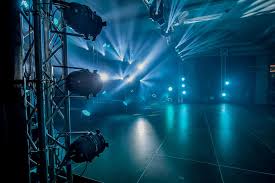
Live concerts today are more than just music—they are full visual experiences. One of the biggest elements behind this transformation is the LED display. From massive background screens to dynamic stage visuals, LED displays help create unforgettable moments for the audience.
But have you ever wondered how these displays actually work during a live concert? It may look simple from the outside, but behind the scenes, there’s a complex system of technology, coordination, and real-time control.
In this guide, we’ll break everything down in a simple way so you can understand how professional LED displays function during live events.
The Role of Visual Elements in Live Performances
Concerts are not just about sound anymore. Visual storytelling plays a major role in engaging the audience. Lighting, video content, and stage design all work together to create an immersive environment.
For years, tools like a theatre lighting spotlight were used to focus attention on performers. While still important, modern concerts rely heavily on LED displays to amplify the experience. These screens can show live camera feeds, animations, graphics, and synchronized visuals that match the music.
This combination of lighting and video ensures that even people sitting far from the stage feel connected to the performance.
What Is a Professional LED Display?
A professional LED display is a large screen made up of many small LED panels connected together. Each panel contains tiny light-emitting diodes (LEDs) that produce images when controlled by a video signal.
Key Components
- LED Panels: The building blocks of the display
- Pixels: Tiny lights that create images
- Control System: Manages what appears on the screen
- Video Processor: Adjusts and sends content to the panels
These components work together to deliver high-quality visuals in real time.
Understanding the Core of led display technology
At the heart of every concert screen is led display technology, which determines how images are created, processed, and displayed.
How It Works
Each LED pixel is made up of three colors:
- Red
- Green
- Blue
By combining these colors in different intensities, the screen can produce millions of colors.
Pixel Pitch and Resolution
- Pixel Pitch: Distance between pixels
- Smaller pitch = sharper image
- Larger pitch = better for long-distance viewing
Concerts usually use different pixel pitches depending on screen size and audience distance.
Brightness and Visibility
Outdoor concerts require high brightness levels so visuals remain visible even in daylight. Indoor concerts focus more on color accuracy and contrast.
How Content Is Managed During a Live Concert
One of the most interesting parts of LED displays is how content is controlled during a live show.
Content Sources
- Live camera feeds
- Pre-recorded videos
- Motion graphics
- Real-time visual effects
Media Servers
Media servers are powerful computers that store and play visual content. They allow operators to switch between different visuals instantly.
Real-Time Control
A video operator controls what appears on the screen during the concert. This includes:
- Switching camera angles
- Syncing visuals with music
- Adjusting brightness and colors
Everything happens live, often within seconds.
The Importance of Synchronization
Synchronization is what makes a concert feel smooth and professional. LED displays must be perfectly aligned with:
- Music beats
- Lighting effects
- Stage performances
How It’s Done
- Timecode systems keep everything in sync
- Lighting and video systems communicate with each other
- Pre-programmed cues trigger changes automatically
When done correctly, the audience experiences a seamless blend of sound and visuals.
Setting Up an LED Display for a Concert
Setting up an LED display is a detailed process that requires planning and precision.
Step 1: Design the Layout
The display design depends on:
- Stage size
- Audience capacity
- Event theme
Step 2: Assemble the Panels
Technicians connect LED panels to form the full screen. Alignment is crucial to avoid visible gaps.
Step 3: Configure the System
- Map the panels digitally
- Connect video processors
- Test signal flow
Step 4: Test the Display
Before the concert, the team runs full tests to ensure everything works perfectly.
Challenges During Live Concerts
Even with advanced technology, challenges can arise during live events.
Common Issues
- Signal loss or delay
- Panel malfunction
- Color inconsistency
- Weather conditions (for outdoor events)
How Professionals Handle Them
- Backup systems are always ready
- Technicians monitor performance in real time
- Quick adjustments are made during the show
Benefits of Using LED Displays in Concerts
LED displays offer many advantages that make them essential for modern events.
1. High Visual Impact
They create stunning visuals that enhance the overall experience.
2. Flexibility
Content can be changed instantly during the performance.
3. Scalability
LED panels can be arranged in different shapes and sizes.
4. Durability
They are designed to handle long hours of use and tough conditions.
Helpful Tips for Event Planners
If you’re planning a concert or live event, here are some useful tips:
Plan Content Early
Prepare visuals in advance and ensure they match the performance.
Choose the Right Screen Size
Consider audience distance and venue size.
Work With Experts
Professional technicians ensure smooth setup and operation.
Test Everything
Always run rehearsals to identify potential issues.
Have Backup Systems
Be prepared for unexpected technical problems.
Suggested Heading Ideas for Related Blogs
- How LED Screens Transform Live Events
- Behind the Scenes of Concert Visual Production
- LED vs Projector: Which Is Better for Events?
- Common LED Display Mistakes to Avoid
- How to Design Stunning Concert Visuals
FAQs
1. What is an LED display used for in concerts?
It is used to show visuals, live video feeds, and graphics that enhance the audience experience.
2. How do LED screens stay synchronized with music?
They use timecode systems and pre-programmed cues to match visuals with sound.
3. Are LED displays suitable for outdoor concerts?
Yes, they are designed to handle outdoor conditions and provide high brightness.
4. What happens if an LED panel fails during a show?
Backup systems and quick repairs help minimize disruptions.
5. Do LED displays consume a lot of power?
They do use significant power, but modern systems are more energy-efficient than older technologies.
Final Words
Professional LED displays have become a key part of live concerts, turning performances into immersive visual experiences. While they may seem simple on the surface, they rely on advanced technology, careful planning, and skilled operation.
From content management to synchronization and real-time control, every element plays a role in delivering a seamless show. By understanding how these systems work, you can better appreciate the effort that goes into creating unforgettable live events.
Whether you’re an event planner, technician, or simply a fan, LED displays are shaping the future of live entertainment—and their impact will only continue to grow.