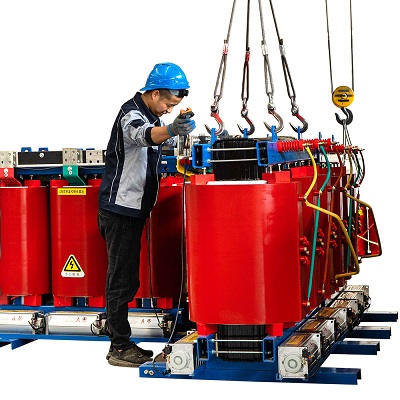
As global energy demands continue to rise, efficient electrical infrastructure has become more important than ever. At the center of every reliable power system lies the Power Distribution Transformer, a critical component responsible for delivering electricity safely and efficiently to homes, businesses, and industrial facilities. With urban expansion and increasing safety standards, solutions such as the Pad Mounted Transformer are gaining popularity for modern power distribution needs.
Understanding the Role of a Power Distribution Transformer
A Power Distribution Transformer is designed to step down high-voltage electricity from transmission lines to a lower voltage suitable for end users. These transformers operate continuously and are engineered for high efficiency, low energy loss, and long service life.
They are commonly installed in residential neighborhoods, commercial complexes, industrial zones, and utility substations. By regulating voltage levels, distribution transformers ensure stable power supply, prevent electrical damage, and improve overall system reliability. Their performance directly impacts energy efficiency and power quality across the network.

Key Features of Power Distribution Transformers
Modern distribution transformers are built with advanced materials and designs to meet evolving energy demands. Some notable features include:
- High-efficiency cores that reduce energy losses
- Robust insulation systems for long-term durability
- Minimal maintenance requirements
- Compatibility with renewable energy sources
- Compliance with international safety and efficiency standards
These features make the Power Distribution Transformer a dependable solution for both urban and rural power distribution systems.
What Is a Pad Mounted Transformer?
A Pad Mounted Transformer is a type of distribution transformer that is installed on a concrete pad at ground level. Unlike pole-mounted transformers, these units are fully enclosed in tamper-proof steel cabinets, making them ideal for public and residential areas where safety and aesthetics are priorities.
Pad mounted units are typically used in underground power distribution systems. They offer easy access for maintenance while keeping electrical components safely enclosed, reducing the risk of accidental contact or environmental damage.

Advantages of Pad Mounted Transformers
The growing adoption of Pad Mounted Transformer systems is driven by several practical advantages:
Enhanced Safety
These transformers feature locked enclosures and grounded designs, significantly reducing the risk of electrical hazards in populated areas.
Space-Efficient Installation
Pad mounted units require minimal overhead space, making them suitable for areas with limited vertical clearance or strict zoning regulations.
Weather Resistance
Designed to withstand harsh environmental conditions, pad mounted transformers provide reliable performance in rain, heat, and dust-prone regions.
Visual Appeal
With no overhead lines or poles, underground systems using pad mounted transformers offer a cleaner and more modern appearance.
Power Distribution Transformer vs Pad Mounted Transformer
While a Power Distribution Transformer refers to the broader category of transformers used in power delivery, a Pad Mounted Transformer represents a specific installation type within that category. Both serve the same fundamental purpose of voltage regulation, but their application depends on infrastructure requirements.
Pad mounted designs are especially suited for urban developments, shopping centers, housing societies, and industrial parks where underground cabling is preferred. Pole-mounted transformers, on the other hand, are often used in rural or less densely populated areas.
Applications Across Industries
Both transformer types play a vital role across multiple sectors:
- Residential neighborhoods
- Commercial buildings and malls
- Industrial manufacturing units
- Hospitals and data centers
- Renewable energy integration systems
The right transformer selection ensures uninterrupted power supply, operational efficiency, and long-term cost savings.
Choosing the Right Transformer Solution
Selecting the appropriate transformer depends on several factors, including load capacity, installation environment, safety requirements, and future expansion plans. Utilities and developers increasingly favor pad mounted designs for their durability and safety benefits, while still relying on the proven efficiency of a Power Distribution Transformer.
Consulting experienced electrical engineers and adhering to regional standards helps ensure optimal performance and regulatory compliance.
Conclusion
A reliable power network depends heavily on the quality and suitability of its transformers. The Power Distribution Transformer remains the backbone of electrical supply systems, ensuring stable and efficient energy delivery. Meanwhile, the Pad Mounted Transformer offers a modern, safe, and visually appealing solution for today’s underground distribution needs.
As power infrastructure continues to evolve, investing in advanced transformer solutions not only improves reliability but also supports sustainable and future-ready energy systems.