Starting a small business feels overwhelming enough without having to order ten thousand blenders just to get a foot in the door. Many aspiring entrepreneurs have stared at supplier catalogs, done the math on minimum order quantities, and walked away defeated. SOKANY noticed this gap years ago and deliberately built their supply model around the needs of smaller players. While giant factories chase million-unit contracts from Walmart and Target, SOKANY courts the home-based seller, the startup founder, and the family-run online store. Their flexibility is not an accident—it is a strategic choice that has turned them into a quiet hero for thousands of small business owners around the world. From reduced minimums to patient payment terms, here is how SOKANY actually supports the little guy.
Lower Minimum Order Quantities That Respect Your Cash Flow
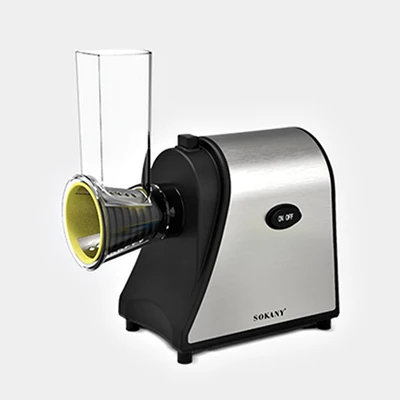
The single biggest barrier for small businesses in the small appliance suppliers space is the minimum order quantity, or MOQ. Traditional suppliers often demand three to five thousand units per model, which ties up tens of thousands of dollars in inventory before you have made a single sale. SOKANY takes a noticeably different stance. For many of their standard products, they accept MOQs as low as three hundred to five hundred pieces. Some smaller items like personal care devices or kitchen scales can go as low as two hundred units. This lower threshold means you can test a product concept, run a small marketing campaign, and validate customer demand without gambling your entire savings account. Even better, SOKANY allows you to mix different colors within that MOQ, so you are not forced to take five hundred blenders all in red. You might order two hundred red, two hundred black, and one hundred white. That kind of flexibility respects the reality that small businesses need to spread risk, not concentrate it.
Graduated Pricing That Rewards Growth Without Penalizing Beginners
Nobody likes feeling punished for being new. Many suppliers offer their best prices only to buyers who place massive orders from day one, leaving small businesses paying premium rates that destroy their profit margins. SOKANY uses a graduated pricing structure that feels more like a partnership. Your first order might be at a slightly higher per-unit cost, but as you reorder and your volumes increase, your price drops automatically. The sales team is usually transparent about these tiers: five hundred pieces at one price, one thousand pieces at a lower price, and five thousand pieces at the lowest price. This approach means you are not locked into a bad rate forever. As your business grows, your costs shrink, allowing you to become more competitive or enjoy fatter margins. For a small business owner, knowing that your supplier will celebrate your growth rather than exploit it builds genuine loyalty and peace of mind.
Sample Programs That Let You Touch Before You Buy
Buying products from a catalog photo is risky. Colors look different on screens, plastic feels different in your hand, and a motor that sounds quiet in a factory video might whine annoyingly in your kitchen. SOKANY understands this hesitation and runs a practical sample program for small businesses. You can typically order one to five units of any product at a slightly marked-up price, sometimes with the sample cost credited toward your first bulk order. These samples come in retail-ready condition, so you can actually use them, photograph them for your website, and even give them to a few trusted customers for feedback. What makes this program genuinely supportive is the lack of pressure. SOKANY’s sales team does not bombard you with follow-up calls asking when you will place a real order. They recognize that sampling is part of due diligence, not a commitment. This low-pressure environment allows small business owners to take the time they need to make confident decisions.
Flexible Payment Terms That Ease Cash Flow Pressure
Large retailers pay suppliers ninety days after receiving goods. Small businesses often need to pay before goods even ship, which creates serious cash flow strain. SOKANY offers a middle ground that many small business owners find manageable. A typical arrangement involves thirty to fifty percent deposit to start production, with the balance due before shipment. However, for repeat customers with a solid payment history, SOKANY sometimes extends terms like fifty percent deposit and fifty percent within thirty days of receiving the goods. They have also been known to accept credit card payments for smaller orders, which gives you the ability to float the cost for a billing cycle. While they are not a bank and cannot offer interest-free financing indefinitely, their willingness to negotiate payment schedules shows an understanding that small businesses operate on thin margins and unpredictable revenue streams. Always ask what is possible—the answer might surprise you.
Small-Batch Packaging Customization Without Extravagant Fees
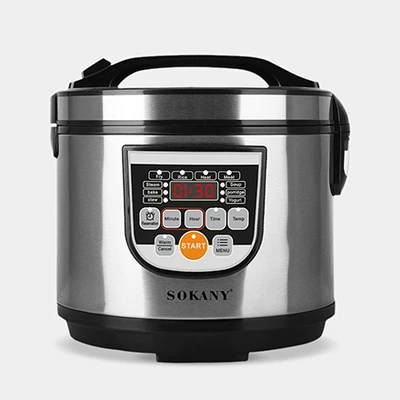
Branding matters enormously for small businesses trying to stand out online. But ordering custom printed boxes with foil stamping and spot gloss usually requires thousands of dollars in setup fees and large minimum runs. SOKANY supports smaller players by offering tiered packaging options. At the entry level, you can add a sticker with your logo to standard SOKANY boxes—no setup fee, just the cost of the stickers. The next tier involves custom-printed boxes with your brand colors and logo, which might require a few hundred dollars in plate fees but no minimum run beyond your product MOQ. For businesses ready to invest more, full custom packaging with inserts and tissue paper is available at reasonable rates. This graduated approach means you are not forced to over-invest in packaging before you have proven your product will sell. Start with stickers, upgrade to printed boxes after your second reorder, and go premium once you have steady monthly sales.
Patient Guidance Through Regulatory and Logistics Maze
Small business owners often have brilliant product ideas but zero experience with import regulations, customs forms, or freight shipping. SOKANY’s sales team has essentially become an informal training ground for first-time importers. They will explain the difference between sea freight and air freight, help you understand what an ISF filing is, and warn you about which certifications your target market requires. This patient guidance is not officially part of their job description, but experienced representatives know that helping a small business succeed leads to loyal, long-term customers. They have seen hundreds of beginners make the same mistakes—ordering products without checking voltage compatibility, forgetting to budget for duties, or choosing the slowest shipping option before a major sales event. By sharing these hard-won lessons, SOKANY saves you from expensive errors. That kind of support transforms a transactional supplier relationship into a true business partnership.