
How to Become a Portfolio Manager – Taxation Consultancy Guide
Introduction
Have you ever wondered who manages the wealth of high-net-worth individuals and ensures their money grows steadily while staying tax-compliant? That professional is a Portfolio Manager. Think of a portfolio manager like a skilled captain steering a ship—navigating market waves, avoiding tax storms, and ensuring the journey ends with wealth creation.
In this detailed yet easy-to-understand guide, we’ll walk through how to become a portfolio manager, with a special focus on taxation consultancy, compliance, and legal requirements in India. Whether you’re a finance student, CA, MBA, or working professional, this article is written for the general public—no complex jargon, just clarity.
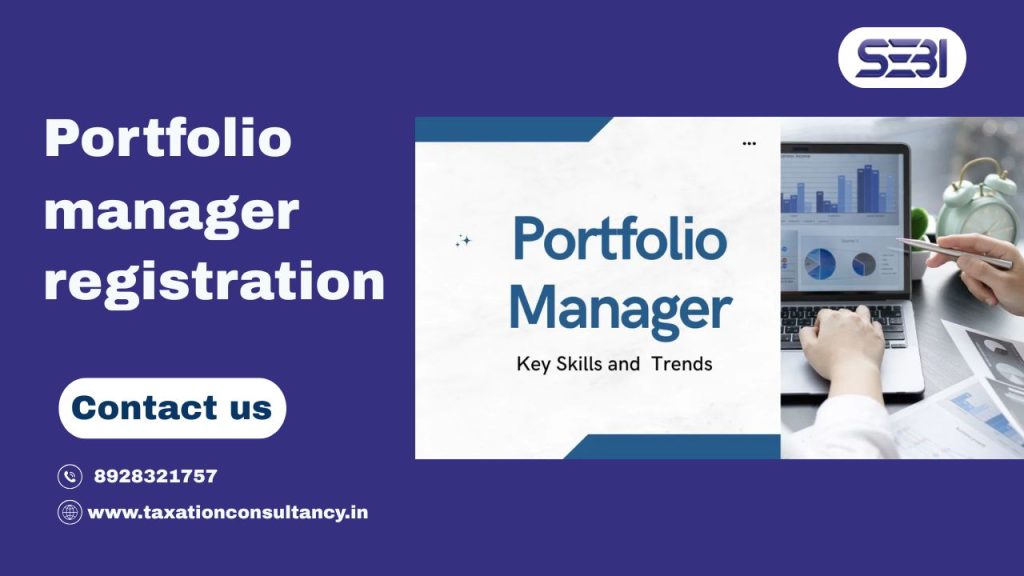
Learn how to become a portfolio manager, how to become a portfolio manager in India, Portfolio manager registration, pms license, pms eligibility & taxation consultancy.
Understanding the Role of a Portfolio Manager
A portfolio manager is responsible for managing investments on behalf of clients. This includes stocks, bonds, mutual funds, and other securities. But it’s not just about buying and selling—it’s about strategy, risk management, and tax efficiency.
A good portfolio manager answers questions like:
- Where should money be invested?
- When should assets be sold to reduce tax?
- How can returns be optimized after tax?
In short, they balance growth and compliance, much like walking a tightrope.
What is Portfolio Management Services (PMS)?
Portfolio Management Services (PMS) is a professional service where a licensed portfolio manager manages a client’s investment portfolio directly. Unlike mutual funds, PMS offers customized strategies.
Key features:
- Minimum investment of ₹50 lakh per client
- Personalized investment decisions
- Direct ownership of securities
PMS is regulated by SEBI, making Portfolio manager registration mandatory.
Types of Portfolio Managers in India
There are three main types:
- Discretionary PMS – Manager takes all decisions
- Non-discretionary PMS – Client approval required
- Advisory PMS – Only advice, no execution
Each type has different responsibility levels, but taxation understanding is essential in all.
Why Taxation Consultancy Matters in PMS
Here’s where many beginners go wrong. High returns mean nothing if taxes eat them away. A portfolio manager with taxation consultancy knowledge helps clients:
- Plan capital gains tax
- Use loss harvesting strategies
- Understand STCG vs LTCG
- Stay compliant with income tax laws
It’s like saving water in a leaking bucket—tax planning plugs those leaks.
Educational Qualifications Required
To understand how to become a portfolio manager in India, education is the first step.
Minimum qualification:
- Graduation in any discipline (finance preferred)
Relevant degrees:
- B.Com, MBA (Finance)
- CA, CS, CFA
- Economics or Finance degrees
Education builds the foundation, but compliance builds credibility.
Professional Certifications That Help
While not all are mandatory, these certifications add value:
- NISM Series XXI-A (mandatory for PMS)
- CFA (Chartered Financial Analyst)
- CA with taxation specialization
These courses sharpen your investment + taxation consultancy skills.
PMS Eligibility Criteria Explained
As per SEBI guidelines, PMS eligibility includes:
- Relevant qualification and experience
- Certification from NISM
- Clean regulatory record
- Adequate net worth
Meeting eligibility is like getting a passport—it allows you to legally enter the PMS business.
Portfolio Manager Registration with SEBI
Portfolio manager registration is a legal requirement in India.
Steps involved:
- Apply to SEBI with Form A
- Submit documents and certifications
- Pay application fees
- SEBI verification and approval
Once approved, you’re officially authorized to manage portfolios.
How to Get a PMS License in India
A PMS license is issued by SEBI after successful registration.
Key requirements:
- ₹5 crore minimum net worth
- Infrastructure and compliance systems
- Experienced key personnel
This license is your legal badge of trust.
Capital Requirement and Net Worth Rules
SEBI mandates:
- ₹5 crore net worth for portfolio managers
- Continuous maintenance of net worth
- Annual audits
This ensures only serious, financially stable professionals enter PMS.
Setting Up a PMS Business Structure
You can operate as:
- Individual
- Partnership firm
- LLP
- Company
Most PMS providers prefer LLP or Private Limited Company for tax efficiency and scalability.
Taxation Rules for Portfolio Managers
Portfolio managers must handle:
- GST on management fees
- Income tax on profits
- TDS compliance
- Advance tax payments
Understanding taxation is not optional—it’s survival.
Taxation of PMS Clients – Practical Overview
Clients are taxed individually, not at PMS level.
Common taxes:
- Short-term capital gains (15%)
- Long-term capital gains (10% above ₹1 lakh)
- Dividend taxation as per slab
A good portfolio manager explains this clearly—no surprises later.
Compliance, Reporting, and Audits
Ongoing responsibilities include:
- Client reporting
- SEBI compliance filings
- Annual audits
- Risk disclosures
Compliance is like regular health check-ups—it prevents bigger problems later.
Career Growth and Income Potential
Income sources:
- Management fees
- Performance fees
- Consultancy income
With experience, reputation, and strong taxation knowledge, earnings can grow exponentially.
Conclusion
Learning how to become a portfolio manager is not just about markets—it’s about trust, compliance, and smart taxation. In India, success in PMS requires the right mix of education, SEBI registration, PMS license, and taxation consultancy skills. If you enjoy finance and want to guide others in building wealth responsibly, this career can be deeply rewarding—financially and professionally.
Frequently Asked Questions (FAQs)
1. How to become a portfolio manager in India without an MBA?
Yes, you can qualify with relevant experience, graduation, and mandatory NISM certification.
2. What is the minimum net worth required for PMS license?
SEBI requires a minimum net worth of ₹5 crore.
3. Is Portfolio manager registration mandatory in India?
Yes, portfolio manager registration with SEBI is compulsory.
4. What is PMS eligibility for individuals?
Educational qualification, NISM certification, experience, and net worth compliance are required.
5. Do portfolio managers need taxation knowledge?
Absolutely, taxation consultancy is crucial for client returns and regulatory compliance.
