Choosing a storage bench involves several factors. Here are key tips:
- Measure Your Space First: Check the floor area carefully. Measure width, depth, and height where the bench will go. Benches usually range 30–60 inches wide. Make sure the bench isn’t too deep (around 15–20 inches deep is typical). A good rule of thumb is about 20 inches tall for comfortable seating. Always ensure there’s room to open the lid fully. A source suggests “drill pocket holes using the ¾” settings” as part of building, but for buying, the idea is similar: measure before choosing.
- Match Your Room’s Style: Consider your decor. If you have a rustic or farmhouse look, a distressed wood bench might fit. For modern rooms, look for clean lines and neutral upholstery. Benches come in many colors and finishes. As one guide advises, make sure the bench “matches your existing style” so it blends or stands out as desired.
- Material and Durability: Decide on material based on use and location. Wood benches (solid wood or engineered) are classic and sturdy. For high-humidity areas (like a patio or mudroom), consider water-resistant finishes or materials. Metal benches (steel or aluminum) can be durable but check for rust-proof finishes if outdoors. Upholstered benches (fabric or leather cover) offer comfort but will need care and are best kept indoors. Some benches mix wood with metal legs for a modern look and strength.
- Storage Type: Think about how you want to store items. Some benches have a simple lift-top lid for bulk storage. Others have drawers or cubbies for organization. If you need easy access, drawers might be better. If the bench is for bedding or bulky items, a deep lift-top is fine. A guide notes: “choose bench style based on location — e.g. look for a bench with cubbies or cabinets for shoes in an entryway”.
- Comfort and Function: Since you’ll be sitting on it, consider seat cushioning and back support. Upholstered tops with foam or tufting add comfort. A padded lid is nice for long sitting, like in a bedroom or nursery. If it’s mainly for storage and occasional seating, a firm wood top might suffice. Check that hinges or supports hold the lid safely if you’ll use it often.
- Weight Capacity: Make sure the bench can support the weight of people and items you’ll use it for. Heavier construction (solid wood frame, metal supports) usually holds more. This is especially important if children will sit on it.
- Price and Quality: Finally, balance your budget with quality. A well-built bench can last years. Inspect assembly (solid joints, good hardware). Many guides emphasize not sacrificing quality for price.
By considering size, style, material, storage style, and durability, you can pick a storage bench that fits your space perfectly and serves its intended purpose.
Best Places to Use a Storage Bench
Storage benches are incredibly versatile, fitting in nearly every room. You might be surprised how many places a bench can work:
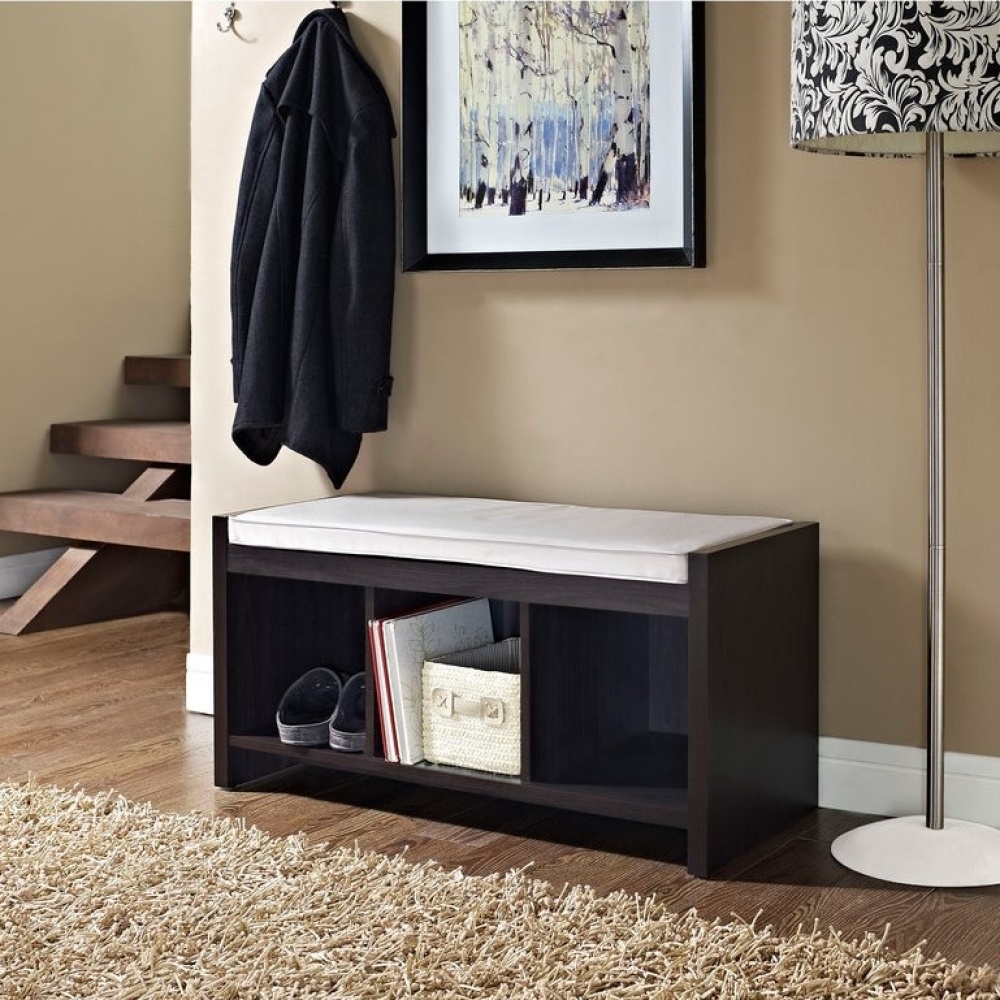
- Entryway or Foyer: A classic spot. A bench here serves as a seat for putting on shoes and a spot to stash footwear, umbrellas, or outerwear. It keeps clutter off the floor.
- Bedroom: Often placed at the foot of the bed or against a wall. It holds spare linens, clothes, or shoes while giving a place to sit for dressing. (Studies note it’s common for people to use a bench at the bed for seating.)
- Living Room: As extra seating or a casual coffee table, storing throw blankets, books, or games inside. It can hide away living-room clutter while still looking decorative.
- Hallway or Landing: In a narrow hall, a slim bench provides a spot to rest or decorate (with pillows or plants), and its interior hides items like scarves or handbags.
- Mudroom/Laundry Room: For storing outdoor gear, boots, or sports equipment. It keeps messy items contained and out of sight.
- Patio or Garden: Outdoor-grade benches can store gardening tools, pots, or cushions. They give a comfortable seat outside and help organize the patio.
- Bathroom: If space allows, a small upholstered bench can hold extra towels or toiletries under the seat, while giving you a place to sit.
- Kids’ Playroom: A bench can store toys and games, making clean-up easy. Its seating surface is great for kids too.
As one guide notes, “storage benches can be used in just about every area of your home” and will “make a big difference in any room” by repurposing unused space. In short, any spot where you could use a little extra storage and seating is perfect for a storage bench.