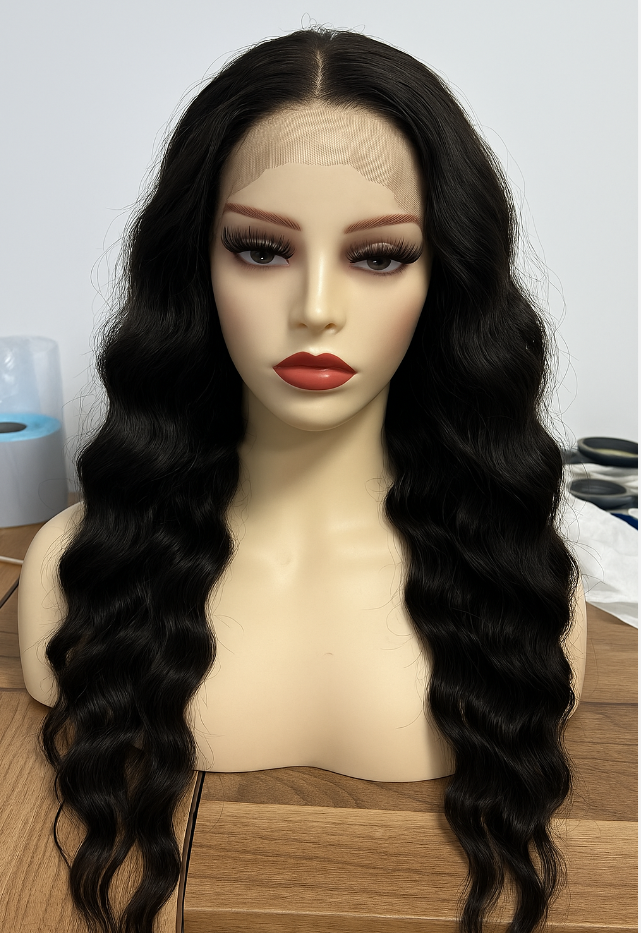
Winter is the season of cozy sweaters, hot chocolate, and dry, unforgiving air that loves to attack wigs. If you’ve ever wondered why your beautiful human hair or synthetic wig suddenly feels stiff, tangled, or dull during colder months, the answer is simple: winter steals moisture.
Dry indoor heating, cold winds, low humidity, and constant temperature changes can dramatically affect your wig’s softness and lifespan. But don’t worry—your wig doesn’t have to suffer. With the right care routine, you can keep it hydrated, smooth, and gorgeous all winter long.
This guide breaks down everything you need to know, from daily moisture habits to product recommendations and winter-specific techniques that actually make a difference.
Table of Contents
- Why Winter Dries Out Your Wig
- Signs Your Wig Needs Moisture
- How to Moisturize Your Wig Properly
- Daily and Weekly Winter Wig-Care Routines
- Winter-Friendly Products and Ingredients
- Common Moisture Mistakes to Avoid
- Extra Tips for Wig Longevity in Cold Weather
1. Why Winter Dries Out Your Wig
Winter is harsh on wigs for several reasons:
Low Humidity
Cold air holds less moisture. Even human hair wigs lose hydration more quickly this time of year.
Indoor Heating
Heaters create a warm but extremely dry environment that wicks moisture out of hair fiber.
Friction from Winter Clothing
Scarves, coats, and sweaters create rub and static, leading to dryness, tangles, and breakage.
Temperature Shock
Going from cold outdoor air to heated indoor spaces stresses the hair cuticle.
Understanding these environmental stressors helps you choose the right wig-care strategy.
2. Signs Your Wig Needs Moisture
A winter-dry wig is easy to spot. Look for:
- Increased tangling at the nape
- Frizziness or static
- Rough or stiff texture
- Lack of movement
- Dull appearance
- Shedding more than usual
- Ends splitting or looking frayed
If your wig shows two or more of these signs, it’s time for a moisture rescue. wholesale wigs online click here.
3. How to Moisturize Your Wig Properly
Keeping your wig moisturized in winter requires technique. Here’s how to do it safely.
Use a Lightweight Leave-In Conditioner
Spray leave-ins are perfect because they hydrate without weighing the hair down.
Deep Condition Weekly
A weekly treatment restores moisture lost due to dry winter air. For human hair wigs, choose hydrating masks with oils or proteins.
Seal in Moisture with Natural Oils (Human Hair Only)
After hydrating, apply a small amount of argan oil, jojoba oil, or sweet almond oil to lock in moisture.
Detangle Gently
Always detangle with a wide-tooth comb, starting from the tips and working upward to prevent breakage.
Avoid Over-washing
Frequent washing strips moisture. During winter, wash your wig every 1–2 weeks depending on usage.
4. Daily and Weekly Winter Wig-Care Routines
Daily Routine
- Apply a light leave-in conditioner spray
- Smooth the ends with a few drops of oil (human hair wigs)
- Store the wig on a stand to maintain shape and reduce friction
- Avoid rubbing against thick winter collars and scarves
Weekly Routine
- Shampoo gently with a moisturizing formula
- Apply a deep conditioner or hydration mask
- Let the wig soak for 10–20 minutes
- Rinse with cool water to seal the cuticles
- Air-dry instead of blow-drying
Weekly moisture sessions are essential for winter survival.
5. Winter-Friendly Products and Ingredients
Not all hair products work well in winter. Look for:
Humectants
These ingredients help hair attract and hold moisture:
- Glycerin
- Panthenol
- Aloe vera
Lightweight Oils (Human Hair Wigs)
- Argan oil
- Grapeseed oil
- Jojoba oil
Rich Deep Conditioners
Choose masks containing shea butter, coconut milk, or keratin.
Avoid Heavy Silicones
They create buildup that blocks moisture from entering the hair.
6. Common Moisture Mistakes to Avoid
Using Too Much Oil
Oil doesn’t hydrate hair. It only seals moisture in. On dry hair, it makes the wig stiff and greasy.
Sleeping in Your Wig Without Protection
Friction leads to dryness. If you must sleep in your wig, use a satin bonnet or pillowcase.
Skipping Regular Conditioning
Winter is not the time to cut corners. Hair needs consistent moisture support.
Using Hot Water for Washing
Hot water dries out hair fiber. Always use lukewarm to cool water.
7. Extra Tips for Wig Longevity in Cold Weather
- Use a humidifier in your room to increase moisture in the air.
- Avoid heavy styling gels or alcohol-based sprays.
- Take breaks from heat styling tools.
- Store your wig properly when not in use.
- Consider a protective winter style such as loose curls or soft waves to reduce friction.
Final Thoughts
Winter doesn’t have to be the enemy of your wig. With smart moisture strategies, the right products, and a bit of weekly commitment, your wig can stay soft, hydrated, and beautiful all season long. Treat your wig like a luxury item, and it will reward you with longevity, shine, and effortless style—even in the driest months.