Stage productions are full of energy, emotion, and movement, but one challenge that often goes unnoticed until it becomes uncomfortable is heat. Traditional stage lighting, such as halogen or incandescent fixtures, produces significant amounts of heat, which can make performers and crew uncomfortable, raise cooling costs, and even pose safety risks. Switching to modern lighting solutions can address these problems effectively. In this article, we’ll explore how using professional LED stage lighting can reduce stage heat while providing high-quality illumination for your theater or performance venue.
Understanding Professional LED Stage Lighting
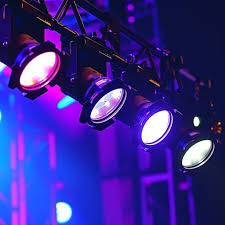
Professional led stage lighting is designed to provide bright, vibrant illumination while consuming less power and generating significantly less heat than traditional lighting systems. Unlike halogen or incandescent lights, which produce most of their energy as heat, LEDs convert the majority of energy into light. This not only improves energy efficiency but also reduces the temperature on stage, making it safer and more comfortable for performers and crew.
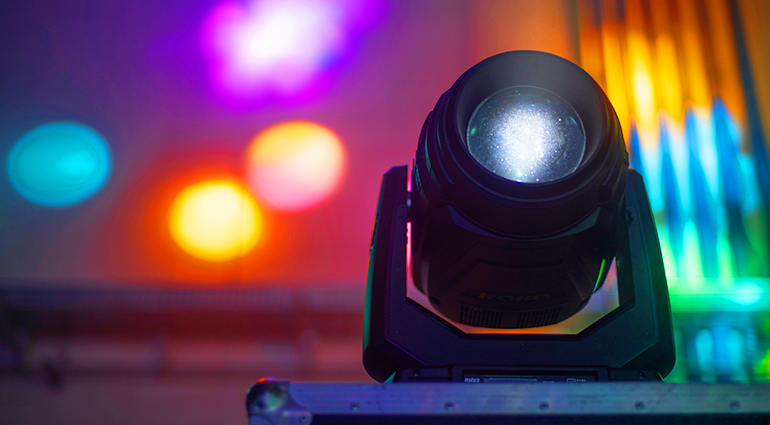
Professional LED fixtures are available in a variety of forms, including spotlights, wash lights, moving heads, and accent lights. They offer adjustable brightness, color control, and compatibility with DMX controllers, which allows lighting designers to create precise cues and effects. By investing in professional LED stage lighting, theaters can maintain the visual impact of their productions without creating an excessively hot stage environment.
Why Traditional Stage Lights Cause Heat Issues
Before switching to LED, it’s helpful to understand why conventional stage lights generate so much heat. Halogen, incandescent, and even some older metal-halide lights operate by heating a filament or gas inside the bulb to produce light. This process is highly inefficient, with up to 90% of the energy converted into heat instead of illumination.
The consequences of excessive stage heat include:
- Performer discomfort: Actors can sweat excessively, which affects comfort, costumes, and makeup.
- Equipment strain: Heat can shorten the lifespan of props, sets, and electronics.
- Cooling costs: Venues must use additional air conditioning to maintain a comfortable environment.
- Safety risks: High temperatures increase the risk of burns, dehydration, or equipment malfunctions.
Reducing stage heat is not just a matter of comfort—it’s a safety and operational priority.
Benefits of Switching to Professional LED Stage Lighting
Making the switch to professional LED stage lighting brings several important advantages:
- Reduced Heat Output: LEDs produce far less heat than traditional lighting, helping to maintain a comfortable temperature on stage.
- Energy Efficiency: Lower power consumption translates into reduced electricity costs, even when multiple fixtures are in use.
- Longevity: LEDs have a longer operational life, often lasting tens of thousands of hours, which reduces replacement costs.
- Flexibility: Adjustable color, brightness, and beam angles allow precise control over stage effects.
- Safety: Cooler lights reduce the risk of burns and fire hazards, making the stage safer for everyone.
The cumulative effect of these benefits is a stage environment that is cooler, safer, and more manageable, all while maintaining the visual quality of your production.
Planning Your LED Transition
Transitioning to a professional LED stage lighting setup requires some planning to ensure optimal performance and efficiency. Here are key considerations:
- Assess Current Lighting: Determine which fixtures contribute most to heat output and which areas of the stage are most affected.
- Prioritize High-Heat Areas: Replace lights in areas where performers stand or move frequently first.
- Choose Versatile Fixtures: Invest in LED lights that can handle multiple functions, such as washes, spotlights, and accent lighting, to reduce the total number of fixtures required.
- Compatibility with Controllers: Ensure your new LED fixtures can integrate with existing DMX or lighting control systems.
- Rehearsal Testing: Test the new lights in rehearsals to adjust angles, brightness, and focus before opening night.
Careful planning ensures that the switch reduces heat without compromising the quality of your lighting design.
Integrating LED Stage Lighting for Maximum Comfort
One of the most effective ways to reduce stage heat is to integrate led stage lighting into your existing setup strategically. Here’s how:
- Layering Lights: Use multiple low-heat LED fixtures to create depth and focus without relying on a few intense, high-heat lights.
- Positioning: Mount LEDs above and around performers to provide adequate illumination while preventing hotspots on stage.
- Beam Control: Narrow beam angles or adjustable focus settings allow precise highlighting of performers and stage areas without producing unnecessary ambient heat.
- Color Temperature: Cooler color temperatures often generate less perceptible heat, while still maintaining brightness and clarity for the audience.
- Supplemental Use: LEDs can replace only the highest-heat fixtures initially, allowing for a phased transition without full upfront costs.
By thoughtfully integrating LED stage lighting, theaters can maintain a visually appealing production while dramatically improving comfort and safety on stage.
Tips for Maintaining a Cooler Stage Environment
Reducing heat with LEDs is only part of the solution. There are additional strategies to maintain a comfortable stage temperature:
- Ventilation: Ensure proper airflow both on stage and in the lighting grid. Ceiling vents or fans can help disperse residual heat.
- Stage Layout: Position performers and props in areas with optimal lighting coverage to avoid clustering near heat sources.
- Regular Maintenance: Keep fixtures clean and dust-free to ensure efficient heat dissipation.
- Monitor Temperature: Use thermal sensors or simple infrared thermometers during rehearsals to identify hotspots and adjust lighting placement accordingly.
- Educate Staff and Performers: Make everyone aware of the cooler zones created by LED integration and adjust rehearsals and blocking as needed.
Combining LED lighting with these practical strategies maximizes stage comfort for performers and crew.
FAQs About Reducing Stage Heat with LEDs
Q1: How much heat reduction can I expect by switching to LEDs?
Depending on your previous lighting setup, switching to LED can reduce stage heat by 70–90%, significantly improving comfort.
Q2: Are LED lights bright enough for professional productions?
Yes, modern LED fixtures offer high brightness, adjustable color, and beam control suitable for even large and complex stage productions.
Q3: Can I retrofit my existing lighting setup with LEDs?
In many cases, yes. LED replacements are available for conventional fixtures, and professional LEDs often integrate with existing DMX or control systems.
Q4: Do LEDs affect costume or makeup appearance?
Properly calibrated LED stage lighting enhances visibility and color accuracy, often improving the appearance of costumes and makeup compared to traditional lights.
Q5: Are there long-term cost benefits to switching to LEDs?
Yes, LEDs consume less power, require fewer replacements, and reduce cooling costs, resulting in significant long-term savings.
Final Words
Reducing stage heat is essential for creating a comfortable, safe, and professional environment for performers and crew. Switching to professional led stage lighting provides a modern solution that reduces heat output, enhances energy efficiency, and maintains the quality of your production. Integrating led stage lighting strategically ensures performers are illuminated effectively without unnecessary thermal stress.For theaters and performance venues looking for reliable solutions, JJY Stage ship products to USA, offering high-quality LED fixtures suitable for both small and large productions. By making the switch, you can create a cooler, safer, and more enjoyable stage environment while maintaining the visual impact your audience expects.