


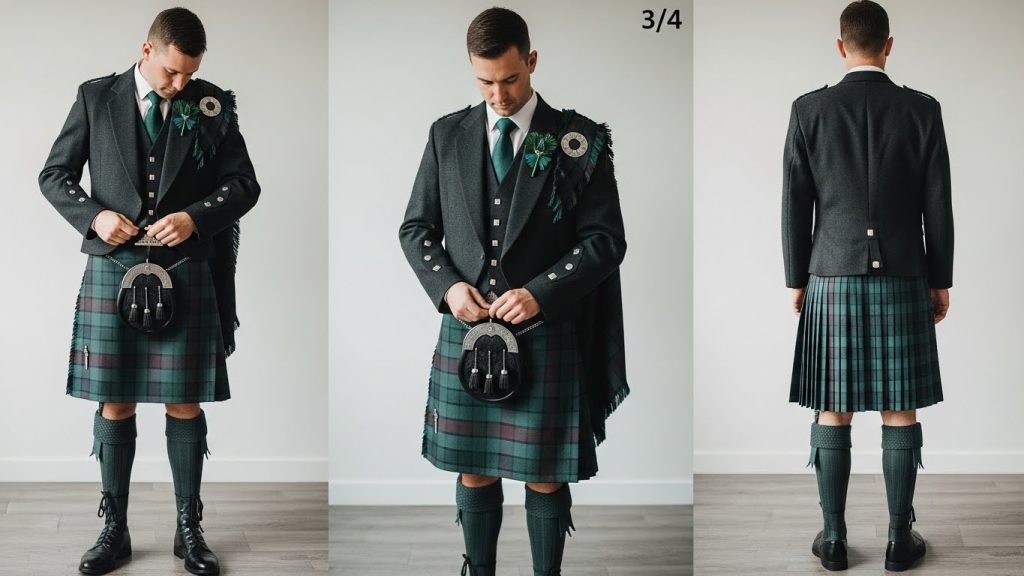
Wearing a kilt properly involves more than simply putting on the garment and hoping for the best. The combination of correct fit, appropriate styling, and confident presentation determines whether a kilt looks distinguished or awkward. For beginners approaching kilt wearing for the first time, understanding fundamental principles ensures a comfortable, appropriate presentation that builds confidence rather than self-consciousness.
This comprehensive guide walks through everything newcomers need to know about wearing kilts correctly, from initial sizing through complete styling and practical maintenance. Whether preparing for a formal event, exploring casual kilt wearing, or simply curious about this distinctive garment, these practical insights establish foundations for successful kilt wearing.
Understanding Kilt Sizing and Proper Fit
Proper fit forms the foundation of comfortable, appropriate kilt-wearing. Unlike mass-produced pants that follow standardized measurements, kilts require more nuanced sizing considerations that account for body proportions and wearing preferences.
The kilt should sit at the natural waist, typically positioned about an inch above the hip bones rather than at the hips where modern pants commonly rest. This higher positioning distributes the garment’s weight appropriately and creates the correct proportional appearance. The waistband should feel snug but not constricting, allowing comfortable breathing and movement without requiring excessive tightening of straps and buckles.
Length represents a critical fit dimension that dramatically impacts both appearance and comfort. Traditional measurement places the kilt’s bottom edge at the center of the kneecap when standing straight. This length ensures the garment doesn’t appear awkwardly short or excessively long. Too-short kilts ride up uncomfortably and look improper. Too-long kilts bunch when sitting and risk catching on objects while walking.
The pleats require sufficient fabric to hang freely without pulling or flattening. When properly fitted, pleats drape vertically and swing naturally during movement. Tight pleats indicate insufficient sizing, compromising both appearance and comfort. The front apron panels should overlap adequately, typically by several inches, without creating excessive bulk or gaping open.
Taking accurate measurements before purchasing ensures a proper fit from the start. Waist measurement at the natural waist, hip measurement at the widest point, and desired length from waist to knee center provide essential sizing information. Many kilt makers offer detailed measuring guides and sizing assistance to prevent common measurement mistakes.
Step-by-Step Guide to Wearing Your Kilt
For first-time wearers, putting on a kilt properly involves a specific sequence that ensures correct positioning and secure fastening.
Step One: Start with appropriate undergarments. Traditional practice varies, but modern wearers often prefer fitted boxer briefs or athletic shorts that provide comfort and security without creating visible lines through the kilt fabric. Choose undergarments that won’t bunch or shift during movement.
Step Two: Hold the kilt with the buckled side in your right hand and the apron side in your left. Position yourself centered behind the kilt with the top edge at your natural waist level. The pleated portion should be at your back when worn correctly.
Step Three: Wrap the buckled side around your body, securing it at your left hip using the straps and buckles provided. Adjust the strap length to achieve a snug but comfortable fit at the waist. The buckled portion serves as the under-layer of the front apron.
Step Four: Bring the outer apron across your front, overlapping the buckled section. Secure this outer layer using the remaining straps and buckles on your right hip. The outer apron should overlap the inner apron by several inches, creating the distinctive angled appearance of proper kilt wearing.
Step Five: Check positioning and adjust as needed. The kilt should sit level around your waist without tilting higher on one side. The bottom edge should hang evenly at knee-center height all around. Pleats should fall straight down your back without twisting or bunching.
Step Six: Ensure secure fastening without over-tightening. The kilt should feel stable and secure during movement without requiring painfully tight fastening. You should be able to slide a few fingers between the waistband and your body comfortably.
Essential Accessories and Styling Components
Complete kilt wearing involves coordinating accessories that enhance appearance and functionality. Understanding which accessories suit different occasions prevents over-accessorizing for casual contexts or under-dressing for formal events.
The Sporran: serves as the kilt’s traditional pocket, worn suspended from a chain or strap around the waist, positioned centrally at the front. Formal occasions call for dress sporrans often made from leather and fur with ornate metal accents. Casual contexts suit simpler leather pouches or practical belt-mounted alternatives. The sporran hangs approximately a hand’s width below the kilt’s waistband for correct positioning.
Footwear Choices: depend entirely on the formality level and personal style. Traditional formal Highland dress pairs with ghillie brogues, specialized laced shoes with long ties that wrap around the calves. Casual kilt wearing accommodates virtually any footwear, boots, sneakers, dress shoes, or even sandals, depending on context and weather. The key is ensuring that footwear appropriateness matches the overall presentation’s formality.
Kilt Hose: (high socks) complete traditional presentations, typically reaching just below the knee and turned over at the top to display contrasting flashes held by garters. Formal contexts demand coordinated hose, while casual wearing makes socks optional or allows regular athletic or casual socks based on personal preference.
Upper Body Clothing: should coordinate with the kilt’s formality level. Formal events pair kilts with specialized jackets, Prince Charlie or Argyll styles, along with formal shirts and ties. Casual contexts allow simple t-shirts, button-downs, hoodies, or sweaters as weather and personal style dictate.
Belts: appear in some kilt styles, particularly utility and casual designs, though traditional formal kilts typically don’t include belt loops. When wearing belted kilts, choose quality leather belts with appropriate buckles that complement the overall aesthetic without overwhelming the presentation.
Adapting Kilts for Different Occasions and Settings
Understanding when and how to wear different kilt styles ensures appropriate presentation across diverse contexts. The versatility of modern kilts allows wearing them far beyond traditional Scottish formal occasions.
Formal events, weddings, black-tie gatherings, and cultural celebrations demand traditional styling with complete accessory coordination. These occasions showcase kilts at their most elegant, where proper presentation matters significantly.
Casual everyday wear embraces simplified styling that prioritizes comfort and practicality. travel-friendly casual kilts constructed from easy-care materials like cotton or synthetic blends prove ideal for vacation wear, offering comfortable alternatives to shorts or pants while packing efficiently and requiring minimal maintenance on the road. These practical designs suit sightseeing, outdoor activities, and casual dining without the care demands of formal wool kilts.
Weekend social gatherings, outdoor concerts, Renaissance fairs, and similar relaxed events occupy the middle ground where personal style expression takes priority over traditional conventions. These contexts allow creative styling that reflects individual taste while maintaining appropriate comfort and presentation.
Styling Considerations for Women
While kilts originated as men’s garments, women have enthusiastically adopted them, creating distinctive styling approaches that embrace both traditional aesthetics and contemporary fashion sensibilities. A well-styled women’s kilt outfit offers versatility spanning casual daily wear through semi-formal occasions.
Women typically style kilts at varying lengths based on personal preference and occasion, traditional knee-length, above-knee for casual contemporary looks, or even longer for modest or bohemian aesthetics. Pairing kilts with fitted tops, blouses, sweaters, or jackets creates balanced proportions that flatter diverse body types.
Footwear options for women’s kilt styling range widely boots for edgy contemporary looks, heels for dressy presentations, flats or sneakers for casual comfort. The kilt’s inherent versatility as a garment accommodates virtually any footwear style, allowing creative personal expression.
Accessories play important roles in women’s kilt styling. Simple sporrans or leather pouches provide practical storage while maintaining aesthetic appeal. Statement belts, scarves, jewelry, and bags complete outfits according to personal style preferences and occasion appropriateness.
Common Mistakes and How to Avoid Them
Several common errors undermine kilt presentation, particularly for beginners unfamiliar with proper wearing conventions.
Incorrect Length: ranks among the most obvious mistakes. Kilts worn too short appear costume-like and uncomfortable. Excessively long kilts look sloppy and create practical movement difficulties. Ensuring proper length before purchasing or having kilts professionally altered prevents this issue.
Poor Fit: results from inadequate sizing or attempting to wear kilts at inappropriate body positions. Kilts should sit at the natural waist, not the hips. Proper snugness ensures security without discomfort, neither so loose that they slip, nor so tight that they restrict breathing.
Mismatched Formality: occurs when pairing formal traditional kilts with casual clothing or vice versa. The overall presentation should coordinate appropriately formal kilts demand formal accessories and upper garments, while casual kilts suit relaxed, comfortable styling.
Over-Accessorizing: for casual contexts creates costume appearances rather than natural style. Save complete traditional Highland dress regalia for occasions that warrant it. Casual kilt wearing needs minimal accessories, perhaps a simple sporran and appropriate footwear suffice.
Ignoring Practical Undergarments: leads to discomfort and self-consciousness. While traditional etiquette varies, modern wearers should choose undergarments providing personal comfort and security appropriate to planned activities.
Maintaining Kilts for Lasting Quality
Proper care preserves the kilt’s appearance, comfort, and structural integrity throughout the garment’s lifespan. Care requirements vary by fabric type and construction quality.
Wool kilts benefit from regular brushing to remove surface dirt and prevent deeper soiling. Professional dry cleaning maintains fabric quality when deep cleaning becomes necessary. Between cleanings, hanging kilts properly allows fabrics to breathe and prevents wrinkles.
Cotton and synthetic kilts often tolerate machine washing following manufacturer guidelines. Using appropriate water temperatures and drying methods prevents shrinkage and fabric damage. These easy-care options make casual kilts practical for frequent wearing without professional cleaning expenses.
Storage practices matter regardless of fabric type. Hanging kilts using proper hangers or folding carefully prevents creasing and maintains pleating. Adequate air circulation during storage prevents moisture and odor issues. Protecting stored kilts from direct sunlight preserves fabric colors.
Periodic inspection identifies minor repairs before they escalate, checking strap integrity, buckle function, and stitching condition, allowing timely maintenance that extends garment life considerably.
Building Confidence Through Knowledge
Successfully wearing kilts involves understanding technical aspects of fit, accessories, and appropriate styling, but ultimate success stems from confidence in presentation. Beginners who invest time learning proper wearing techniques and practicing in comfortable environments before high-stakes occasions develop genuine comfort that translates to natural, confident presentation.
Starting with casual contexts, wearing kilts at home, running simple errands, and attending relaxed social gatherings builds familiarity and confidence gradually. These low-pressure environments allow adjusting fit, experimenting with styling, and becoming accustomed to the kilt’s different feel and movement compared to trousers.
Understanding that kilt-wearing has become increasingly accepted and appreciated across diverse contexts reduces self-consciousness. The garment’s growing popularity means wearers rarely encounter negative reactions, particularly when kilts are worn confidently and appropriately styled for the occasion.
Embracing the Kilt Experience
Wearing kilts properly combines practical knowledge with personal confidence and style expression. The distinctive garment offers genuine comfort advantages, versatile styling possibilities, and opportunities for expressing individuality that conventional clothing often lacks.
For beginners, approaching kilt wearing systematically, ensuring proper fit, understanding styling principles, and practicing in comfortable environments establishes foundations for positive experiences that build enthusiasm rather than frustration. The initial unfamiliarity gives way quickly to genuine appreciation for the kilt’s unique characteristics and practical benefits.
Whether embracing kilts for cultural heritage, personal style expression, practical comfort, or simply curiosity about alternatives to conventional clothing, proper wearing technique ensures positive experiences that encourage continued wear and growing confidence in this distinctive garment choice.
To Read More Articles Please Visit: 1st-Street