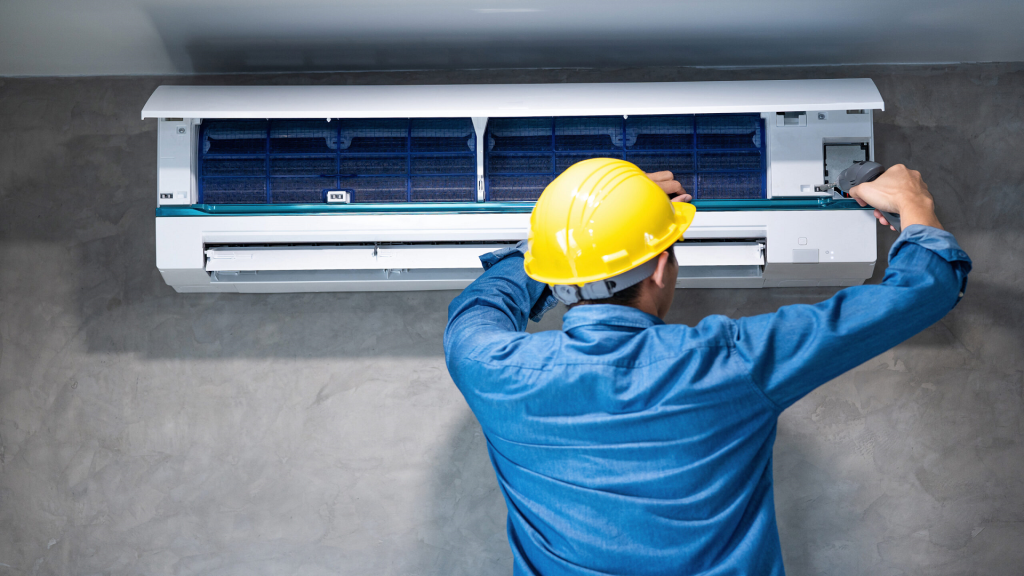
HVAC installation is not a one-size-fits-all process, especially in a location like Beacon, NY, where seasonal shifts, historic homes, and energy-conscious living all influence heating and cooling decisions. Understanding how these local factors impact system selection and installation can help homeowners make smarter, longer-lasting choices.
This guide explores HVAC installation from a regional, architectural, and environmental perspective, offering insight into why Beacon homes require a more tailored approach to comfort systems.
Why HVAC Installation in Beacon, NY Is Region-Specific
Beacon’s position along the Hudson River places it in a humid continental climate zone, characterized by cold winters, warm summers, and fluctuating humidity levels. These conditions demand HVAC systems capable of both efficient heating performance and balanced cooling with humidity control.
Older HVAC systems or improperly sized installations often struggle with Beacon’s seasonal extremes, leading to uneven temperatures, higher energy bills, and premature equipment wear. Proper HVAC installation accounts for:
- Winter heating loads driven by freezing temperatures
- Summer cooling needs amplified by humidity
- Air circulation challenges in older home layouts
Architectural Diversity and Its Impact on HVAC Installation
Beacon is known for its blend of historic townhouses, mid-century homes, and renovated industrial spaces. Each structure type presents unique HVAC challenges.
Historic Homes
Many Beacon homes were built before modern ductwork standards. HVAC installation in these properties often requires:
- Compact or ductless system configurations
- Careful routing to preserve architectural integrity
- Customized airflow balancing
Converted Lofts and Mixed-Use Spaces
Former industrial buildings converted into residences often feature high ceilings and open layouts. HVAC installation here must account for:
- Vertical air stratification
- Zoned temperature control
- Larger capacity systems with precise calibration
The Role of Load Calculations in Beacon HVAC Installation
One of the most critical yet misunderstood aspects of HVAC installation is load calculation. In Beacon, improper sizing is a common cause of discomfort.
Accurate load calculations consider:
- Local winter low temperatures
- Summer heat index levels
- Window orientation toward the Hudson Valley sun
- Insulation quality in older structures
Without these calculations, systems may short-cycle or run continuously, reducing efficiency and lifespan.
Energy Efficiency Standards Affecting Beacon Installations
New York State energy codes influence how HVAC installation is performed in Beacon. These standards emphasize:
- Higher Seasonal Energy Efficiency Ratio (SEER) ratings
- Improved insulation and sealing requirements
- Reduced carbon emissions
Modern HVAC installations must align with both state regulations and local utility efficiency programs, which can affect system compatibility and setup.
Ducted vs. Ductless HVAC Installation in Beacon Homes
Choosing between ducted and ductless systems is a common consideration in Beacon.
Ducted Systems
Often used in newer or fully renovated homes, ducted HVAC installation offers:
- Whole-home temperature consistency
- Centralized air filtration
- Compatibility with smart thermostats
Ductless Systems
Well-suited for older or segmented homes, ductless installations provide:
- Minimal structural disruption
- Zoned temperature control
- Improved efficiency in small or irregular spaces
Beacon homeowners increasingly favor ductless systems for additions and retrofits.
Seasonal Timing and Its Effect on HVAC Installation
The time of year can significantly influence HVAC installation outcomes in Beacon.
- Spring and Fall installations allow for easier system testing
- Winter installations prioritize heating reliability
- Summer installations must address immediate cooling demands
Planning installation outside peak temperature extremes often results in smoother calibration and fewer system adjustments.
Indoor Air Quality Considerations in Beacon, NY
Beacon’s proximity to wooded areas and river moisture increases the presence of allergens and airborne particulates. HVAC installation must address:
- Enhanced filtration systems
- Proper ventilation rates
- Moisture management to prevent mold growth
Modern HVAC installations often integrate air purification and humidity control as standard components.
Long-Term Performance and System Longevity
A properly executed HVAC installation directly impacts how long a system performs efficiently. In Beacon’s climate, longevity depends on:
- Correct equipment sizing
- Balanced airflow distribution
- Protection against moisture-related corrosion
Homes with professionally installed systems experience fewer breakdowns during extreme weather.
Understanding HVAC Installation Permits in Beacon
Local permitting is an often-overlooked aspect of HVAC installation. Beacon requires permits to ensure:
- Compliance with building and safety codes
- Proper electrical and gas connections
- Verified system performance standards
Permits also help protect homeowners during property resale or inspections.
HVAC Installation and Modern Home Technology
Beacon residents increasingly adopt smart home technology. HVAC installation today often integrates:
- Smart thermostats for zoning control
- Remote system monitoring
- Energy usage analytics
These features enhance comfort while supporting energy-conscious living in the Hudson Valley.