Energy efficiency has become a top priority for modern homeowners, not only to reduce utility costs but also to support sustainable living. Interior designers play a vital role in creating energy-efficient homes by making smart design choices that minimize energy consumption while enhancing comfort and style. Professional interior designer companies apply thoughtful planning, material selection, and technology integration to create interiors that are both eco-friendly and visually appealing.
Smart Space Planning and Layout Design
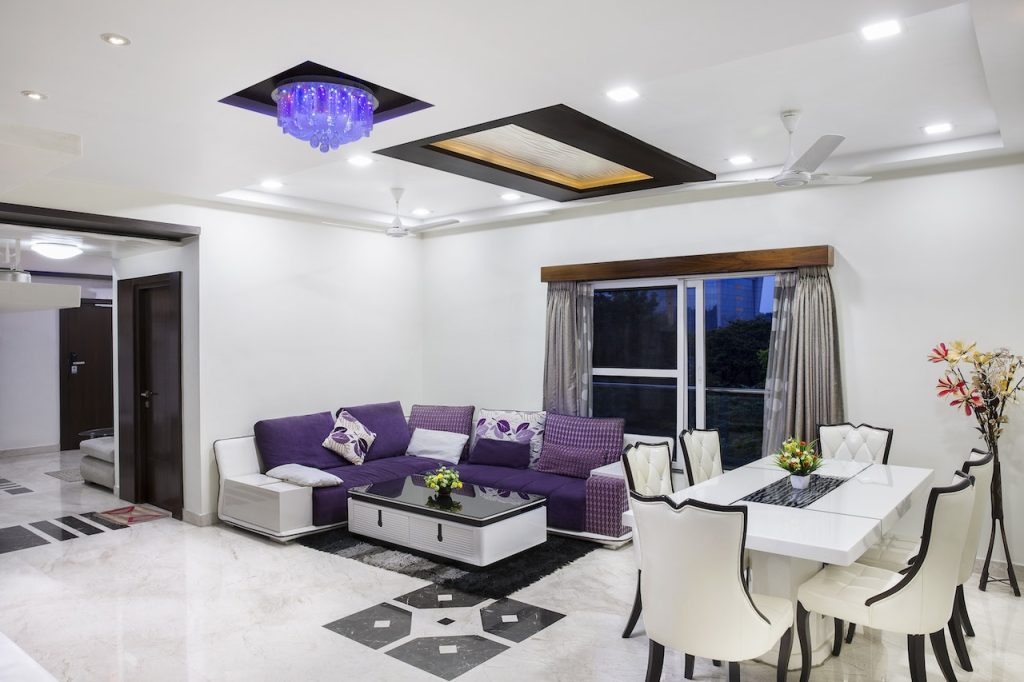
One of the key secrets to energy efficiency lies in intelligent space planning. Interior designers arrange rooms and furniture to maximize natural airflow and daylight. Open layouts and strategically positioned windows allow light and air to circulate freely, reducing the need for artificial lighting and excessive air conditioning. Proper zoning ensures that energy is used efficiently in frequently occupied areas.
Energy-Efficient Lighting Solutions
Lighting plays a major role in energy consumption. Interior designers recommend LED lighting, which uses significantly less electricity and generates minimal heat. Layered lighting plans combine ambient, task, and accent lighting to provide adequate illumination without overuse. Interior designer companies also incorporate dimmers, motion sensors, and smart lighting systems to further reduce energy usage.
Selecting Sustainable and Insulating Materials
Material choice has a direct impact on indoor temperature control. Interior designers select insulating materials for walls, ceilings, flooring, and windows to maintain comfortable temperatures year-round. Curtains with thermal lining, insulated glass windows, and heat-reflective wall finishes help reduce heat gain and loss. Low-VOC paints and eco-friendly materials also improve indoor air quality while supporting sustainability.
Maximizing Natural Light and Ventilation
Interior designers focus on optimizing natural resources to reduce dependence on mechanical systems. Light-colored interiors, reflective surfaces, and mirrors help distribute daylight throughout the home. Cross-ventilation is planned through window placement and open layouts, allowing fresh air to cool the space naturally and reduce energy demand.
Energy-Conscious Furniture and Appliances
Furniture placement can impact energy flow within a space. Interior designers avoid blocking vents and windows to maintain airflow efficiency. They also recommend energy-efficient appliances and smart home systems that regulate electricity usage. Interior designer companies integrate these systems discreetly, ensuring functionality without disrupting design aesthetics.
Smart Technology Integration
Smart thermostats, automated lighting, and energy monitoring systems allow homeowners to control and track energy consumption. Interior designers incorporate these technologies seamlessly into interior plans, creating homes that respond intelligently to daily routines and environmental conditions.
Conclusion
Creating energy-efficient homes requires a thoughtful balance of design, functionality, and sustainability. Through smart planning, efficient lighting, material selection, natural ventilation, and technology integration, interior designer companies help homeowners reduce energy consumption while enhancing comfort and style. These expert strategies not only lower utility costs but also contribute to a more sustainable and environmentally responsible way of living.