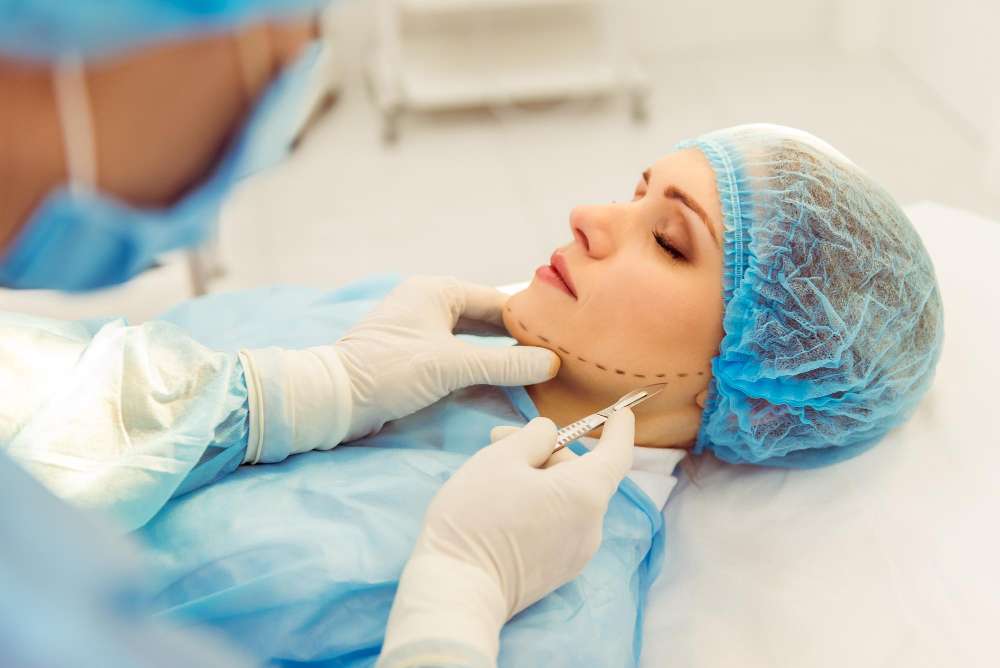
Jaw surgery is a life-changing procedure that can improve both appearance and oral function. However, many people in Pakistan hesitate to consider treatment because of common misconceptions and misinformation. Understanding the truth behind these myths can help patients make informed decisions about their health and confidence.
If you are considering Jaw Surgery in Islamabad, learning the facts can help you feel more comfortable about the treatment process and expected results.
What Is Jaw Surgery?
Jaw surgery, also known as orthognathic surgery, is a specialized procedure used to correct irregularities in the jaw bones. It can improve chewing, speaking, breathing, facial balance, and overall oral health.
Many people seek Jaw Surgery in Islamabad to address functional problems such as bite misalignment, jaw pain, sleep apnea, and facial asymmetry. Others choose the procedure to enhance facial harmony and achieve a more balanced appearance.
Despite its benefits, several myths continue to prevent people from exploring this effective treatment option.
Myth #1: Jaw Surgery Is Only for Cosmetic Reasons
One of the most common misconceptions is that jaw surgery is purely cosmetic.
Fact:
While jaw surgery can improve facial appearance, its primary purpose is often functional. Patients may require surgery to correct severe bite problems, speech difficulties, breathing issues, or jaw joint discomfort.
Many individuals who undergo Jaw Surgery in Islamabad report significant improvements in their ability to eat, speak, and breathe comfortably after treatment.
Myth #2: Jaw Surgery Is Extremely Painful
Many people imagine jaw surgery as a highly painful experience.
Fact:
Modern surgical techniques and advanced anesthesia have made the procedure much more comfortable than many patients expect. During surgery, patients do not feel pain because they are under anesthesia.
After surgery, some swelling and discomfort are normal, but these symptoms are typically managed with prescribed medications and proper aftercare instructions.
Most patients find that recovery is more manageable than they initially anticipated.
Myth #3: Recovery Takes Several Months of Bed Rest
Some people believe they will be unable to work or carry out daily activities for months.
Fact:
Recovery timelines vary from patient to patient, but most individuals gradually return to normal routines within a few weeks. Swelling usually decreases significantly during the first few weeks, and patients can slowly resume daily activities as advised by their surgeon.
Choosing experienced specialists for Jaw Surgery in Islamabad can help ensure a smoother recovery process and optimal outcomes.
Myth #4: Jaw Surgery Leaves Visible Scars
A major concern among patients is the possibility of facial scarring.
Fact:
In most cases, jaw surgery is performed through incisions made inside the mouth. This means there are typically no visible scars on the face.
Advanced surgical methods allow surgeons to access and reposition the jaw bones without creating noticeable external marks.
Myth #5: Only Young People Can Have Jaw Surgery
Some adults assume they are too old to benefit from treatment.
Fact:
Jaw surgery can be performed successfully on adults of various age groups. The most important factors are overall health, bone condition, and the specific jaw problem being treated.
Many adults in their 30s, 40s, and even older choose Jaw Surgery in Islamabad to improve their quality of life and facial balance.
Myth #6: Braces Alone Can Fix Every Jaw Problem
Many patients believe orthodontic treatment can solve all bite and jaw alignment issues.
Fact:
Braces can straighten teeth, but they cannot always correct severe skeletal jaw discrepancies. In some cases, orthodontic treatment and jaw surgery work together to achieve the best results.
Your surgeon and orthodontist will determine whether surgery is necessary based on your individual condition.
Signs You May Need Jaw Surgery
The following symptoms may indicate that surgical correction could be beneficial:
- Difficulty chewing or biting food
- Chronic jaw pain or discomfort
- Breathing problems during sleep
- Severe overbite or underbite
- Facial asymmetry
- Speech difficulties
- Trouble closing your lips comfortably
- Excessive wear on teeth
If you experience any of these concerns, consulting a specialist for Jaw Surgery in Islamabad can help you understand your treatment options.
What Happens During the Treatment Process?
The process usually begins with a comprehensive consultation. Digital scans, X-rays, photographs, and bite analysis help the surgeon create a customized treatment plan.
Orthodontic preparation may be required before surgery. During the procedure, the surgeon carefully repositions the jaw bones to improve alignment and function.
After surgery, regular follow-up appointments help monitor healing and ensure successful results.
Benefits of Jaw Surgery
Jaw surgery offers several advantages beyond cosmetic enhancement.
Patients often experience improved chewing efficiency, clearer speech, better breathing, reduced jaw discomfort, and enhanced facial proportions.
Many individuals also report increased self-confidence after achieving a more balanced facial appearance.
These benefits make Jaw Surgery in Islamabad an effective solution for patients struggling with functional and aesthetic concerns.
Choosing the Right Clinic in Islamabad
Selecting an experienced clinic is one of the most important decisions you will make. Look for qualified maxillofacial surgeons, modern technology, personalized treatment plans, and positive patient feedback.
A thorough consultation can help you understand the procedure, recovery expectations, and potential outcomes before moving forward.
Why More Pakistanis Are Considering Jaw Surgery
Awareness about facial health and modern surgical advancements has increased significantly across Pakistan. Patients now have access to advanced diagnostic tools, skilled specialists, and personalized treatment plans.
As a result, more individuals are exploring Jaw Surgery in Islamabad as a safe and effective option for improving both function and appearance.
Final Thoughts
Misinformation often creates unnecessary fear about jaw surgery. Understanding the difference between myths and facts allows patients to make confident healthcare decisions.
Modern techniques have made Jaw Surgery in Islamabad safer, more predictable, and more comfortable than ever before. Whether your goal is improved oral function, better facial harmony, or enhanced quality of life, consulting a qualified specialist is the first step toward achieving long-lasting results.
FAQs
Is jaw surgery safe?
Yes. Jaw surgery is considered a safe procedure when performed by a qualified and experienced maxillofacial surgeon.
How long does recovery take after jaw surgery?
Initial recovery typically takes a few weeks, while complete healing may continue over several months.
Will I have visible scars after jaw surgery?
In most cases, no. The incisions are usually made inside the mouth, leaving no visible facial scars.
Can jaw surgery improve facial appearance?
Yes. In addition to correcting functional problems, jaw surgery often enhances facial balance and symmetry.
Is jaw surgery painful?
Patients are under anesthesia during the procedure. Post-operative discomfort is generally manageable with prescribed medications.
How do I know if I need Jaw Surgery in Islamabad?
A consultation with a qualified specialist can determine whether jaw surgery is appropriate based on your bite, jaw structure, and overall oral health.
Can adults undergo jaw surgery?
Yes. Many adults successfully undergo Jaw Surgery in Islamabad to correct functional and aesthetic concerns.