

For most Toronto homeowners, the dream of building a new home or undertaking a major renovation begins with a vision of what will be. But before that vision can become reality, there is the practical matter of dealing with what is. And in a city with as much history and regulatory complexity as Toronto, obtaining permission to demolish an existing structure can feel like a full-time job in itself. The permit process is a labyrinth of applications, inspections, fees, and reviews that can stretch for weeks or even months. Mammoth Demolition has made it their business to guide homeowners through this maze, turning what could be a source of stress and delay into a smooth, predictable pathway to project commencement.
The First Hurdle: Understanding What Requires a Permit
Before any paperwork can be filed, homeowners must first understand what they are actually allowed to do. In Toronto, the rules governing demolition are not always intuitive. A full tear-down of a detached house clearly requires a permit, but what about a partial demolition? What about removing an interior load-bearing wall? What about taking down a detached garage or a deck? The answers depend on a complex interplay of zoning bylaws, the Ontario Building Code, and heritage considerations. Mammoth Demolition begins every residential demolition Toronto project by helping homeowners understand exactly what permits their specific scope of work requires. They conduct an initial assessment of the property and the proposed work, identifying which aspects trigger permitting requirements and which fall under exemptions. This clarity at the outset prevents the all-too-common scenario of homeowners starting work only to be shut down by a city inspector.
Assembling the Application: The Paperwork Puzzle
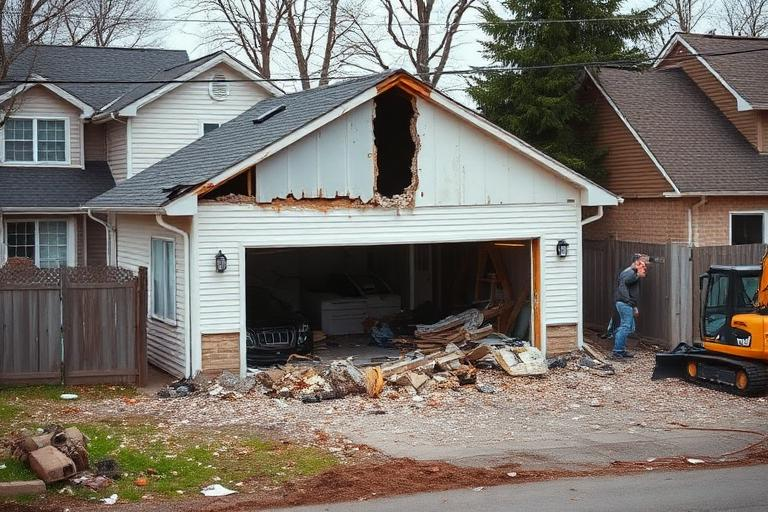
Once the permitting requirements are understood, the real work begins: assembling the application package. A typical Toronto demolition permit application is far more than a simple form. It requires detailed site plans showing the property lines, the location of the structure to be demolished, and the positions of adjacent buildings. It requires a written description of the demolition method and sequence. It often requires a structural engineer’s report confirming that the proposed demolition can be executed safely without endangering neighboring properties. And it requires proof of insurance, workers’ compensation coverage, and sometimes, a detailed waste management plan. Mammoth’s team has prepared hundreds of these packages and knows exactly what information the city requires. They work with homeowners to gather the necessary documents, coordinate with engineers and surveyors, and ensure that every “i” is dotted before submission.
Heritage and Community Considerations
Toronto takes its history seriously, and for homes located in designated heritage districts or those with individual heritage status, the demolition permit process becomes significantly more complex. In these cases, a standard application is not enough. Homeowners may need to appear before the Toronto Preservation Board or seek approval from City Council. They may be required to document the existing structure in meticulous detail or to salvage specific architectural elements for preservation. Even for homes without official heritage designation, community input can play a role. Neighbors may be notified of pending demolition applications and given an opportunity to voice concerns. Mammoth Demolition guides homeowners through these sensitive situations with patience and expertise, helping them navigate the additional layers of review while maintaining positive relationships with the community and preserving the architectural character that makes Toronto’s neighborhoods unique.
The Waiting Game: Navigating City Hall Timelines
Once a complete application is submitted, the waiting begins. Toronto Building reviews demolition permits on a standard timeline, but those timelines can stretch depending on the complexity of the project, the workload of city staff, and the need for additional reviews from other departments like Transportation Services or Toronto Water. For homeowners eager to start their projects, this waiting period can be agonizing. Mammoth Demolition helps manage these expectations by providing realistic timelines based on current city processing times. They also maintain relationships with city staff and know how to follow up on applications without being a nuisance, gently nudging reviews forward when they stall. This inside knowledge of City Hall’s rhythms ensures that applications move as quickly as possible through the system.
Pre-Demolition Conditions and Neighbor Notifications
The permit itself is not the end of the navigation process; it is merely the ticket to the next phase. Before demolition can actually begin, the permit typically requires that certain conditions be met. These often include notifying adjacent property owners in writing, usually at least 14 days in advance. They may require a pre-demolition condition survey of neighboring homes, documenting their existing state to protect against unfounded damage claims later. They often require that utility companies be notified and that services be disconnected and capped. Mammoth handles all of these pre-demolition requirements on behalf of the homeowner, drafting and delivering neighbor notifications, coordinating with utility providers, and arranging for condition surveys. By managing these details, they ensure that when the permit arrives, the project is truly ready to begin.
Inspections and Compliance During Demolition
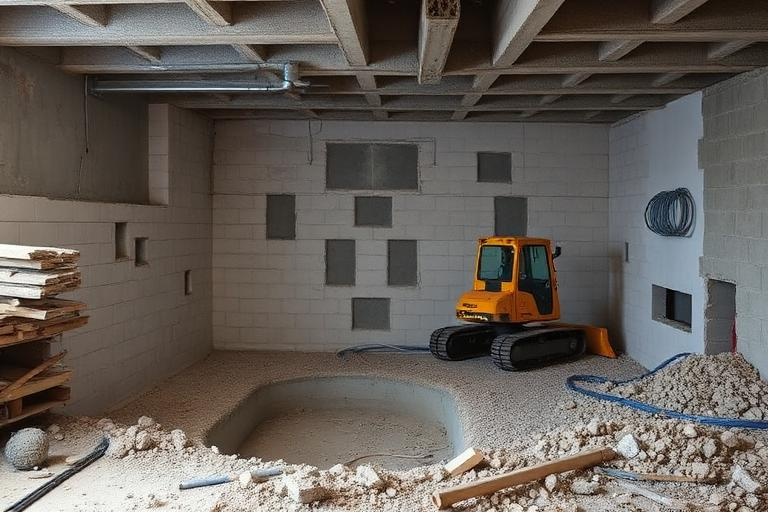
Even after the permit is secured and work begins, the city’s involvement continues. Demolition projects in Toronto are subject to inspections at various stages to ensure compliance with the approved plans and the Building Code. Inspectors may visit to verify that utility disconnections have been properly completed, that shoring and bracing are adequate, and that the demolition is proceeding safely. Mammoth Demolition welcomes these inspections as a valuable check on their work. Their site supervisors know what inspectors are looking for and ensure that the site is always ready for a visit. They maintain open lines of communication with the assigned inspector, addressing any questions or concerns immediately. This cooperative approach prevents the停工 orders that can result from failed inspections and keeps the project moving forward.
Final Sign-Off and Closing the Permit
The final step in the permit navigation journey is the official closing of the file. Once demolition is complete, an inspector must return to the site to confirm that the work has been done in accordance with the permit and that the site has been left in a safe and proper condition. Only then is the permit officially closed, and only then can the homeowner proceed with the next phase of construction. Mammoth Demolition manages this final inspection diligently, ensuring that the site is clean, graded, and ready for sign-off. They obtain the necessary documentation and provide it to the homeowner, closing the loop on the permitting process and paving the way for the new construction to begin. For the homeowner, this seamless transition from demolition to building is the ultimate reward for navigating the permit maze—and with Mammoth as their guide, the journey is far less daunting than it might have been.