Meal planning has become a practical solution for individuals and families who want to eat better without feeling overwhelmed by daily food decisions. In today’s fast-paced routines, planning meals ahead of time helps reduce stress, saves money, and supports long-term dietary balance. Meal Planning Is Important For Healthy Eating because it creates structure, prevents impulsive food choices, and ensures that meals are aligned with nutritional goals rather than convenience alone.
By organizing meals in advance, people can better manage portion sizes, include a variety of food groups, and maintain consistency in their eating patterns. This article explores effective meal planning practices that encourage consistent nutrition, highlighting how thoughtful preparation can positively influence daily habits, energy levels, and overall lifestyle quality.
Understanding the Role of Meal Planning in Nutrition
Meal planning is more than writing down what to eat; it is a strategic approach to nourishing the body consistently. When meals are planned, individuals gain control over ingredients, cooking methods, and nutritional balance.
Why Consistency Matters in Nutrition
Consistency is key when it comes to nutrition. Eating balanced meals regularly helps stabilize blood sugar levels, supports metabolism, and reduces the likelihood of overeating. Irregular eating patterns often lead to skipped meals followed by unhealthy snacking or oversized portions later in the day.
Planned meals promote routine. When the body becomes accustomed to receiving nutrients at regular intervals, it functions more efficiently. Digestion improves, energy remains steady, and cravings become easier to manage.
How Planning Influences Food Choices
Without a plan, people often rely on convenience foods that are high in refined carbohydrates, unhealthy fats, and added sugars. Planning encourages intentional choices, such as including vegetables, lean proteins, whole grains, and healthy fats in every meal.
By deciding meals in advance, individuals can shop with purpose and avoid impulse purchases that derail nutritional goals. This proactive approach leads to better food quality and a more balanced diet over time.
Building a Foundation for Balanced Eating
Successful meal planning begins with understanding basic nutritional needs and aligning them with personal preferences and schedules.
Identifying Core Nutritional Components
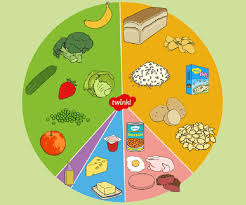
A balanced meal typically includes:
- A source of lean protein for muscle repair and satiety
- Complex carbohydrates for sustained energy
- Healthy fats for nutrient absorption and fullness
- Fruits or vegetables for vitamins, minerals, and fiber
When planning meals, ensuring these components are present helps maintain nutritional adequacy throughout the week.
Personalizing Meal Plans
No single meal plan works for everyone. Factors such as age, activity level, cultural preferences, and dietary restrictions all play a role. Personalization makes meal plans realistic and sustainable.
Meal planning should reflect foods that are enjoyable and accessible. Including familiar dishes while gradually introducing healthier options increases adherence and reduces the feeling of restriction.
Meal Planning as a Tool for Health and wellness
Beyond nutrition alone, meal planning supports broader lifestyle goals related to Health and wellness. When meals are planned and prepared with intention, they influence physical well-being, mental clarity, and emotional balance.
Reducing Stress Around Food Decisions
Deciding what to eat multiple times a day can be mentally exhausting. Meal planning removes this daily burden by providing clarity and direction. Knowing what meals are already prepared or scheduled reduces anxiety and decision fatigue.
This sense of control often leads to a healthier relationship with food, where eating becomes a nourishing routine rather than a source of stress.
Supporting Long Term Lifestyle Habits
Consistent meal planning encourages habits that extend beyond the kitchen. People who plan meals are more likely to maintain regular grocery shopping routines, cook at home, and sit down for structured meals. These behaviors contribute to overall stability and balance in daily life.
Practical Meal Planning Practices for Consistent Nutrition
Adopting effective strategies makes meal planning easier and more sustainable over time.
Setting a Weekly Planning Routine
Choosing a specific day each week to plan meals helps build consistency. This routine may include:
- Reviewing the upcoming schedule
- Selecting meals that fit time constraints
- Creating a grocery list based on planned dishes
A weekly approach prevents last-minute decisions and ensures that nutritious options are always available.
Planning Meals Around Realistic Timeframes
Busy days require simple meals, while lighter schedules allow for more involved cooking. Planning according to available time prevents burnout and reduces reliance on takeout.
Quick options such as salads, stir-fries, or slow-cooker meals can be strategically placed on hectic days to maintain nutritional consistency without added stress.
The Importance of Meal Preparation
Meal preparation, often called meal prep, is a natural extension of planning. Preparing ingredients or full meals in advance saves time and supports healthier choices during the week.
Batch Cooking for Efficiency
Cooking larger portions and storing them for later use ensures that nutritious meals are readily available. Batch cooking staples like grains, roasted vegetables, or proteins allows for flexible meal combinations throughout the week.
This approach reduces cooking frequency while maintaining variety and balance.
Portion Control and Nutrient Balance
Pre-portioned meals help regulate serving sizes and prevent overeating. When meals are prepared in advance, it becomes easier to distribute nutrients evenly across the day, supporting consistent energy levels.
Encouraging Variety Through Structured Planning
Eating the same meals repeatedly can lead to boredom and nutritional gaps. Thoughtful planning promotes diversity without sacrificing convenience.
Rotating Ingredients and Recipes
Creating a rotation of favorite meals helps maintain interest while simplifying planning. Rotating proteins, vegetables, and grains ensures exposure to a wide range of nutrients.
For example, alternating between poultry, fish, legumes, and plant-based proteins throughout the week supports balanced nutrition.
Seasonal and Cultural Inspiration
Incorporating seasonal produce and culturally familiar dishes adds excitement and relevance to meal plans. Seasonal foods are often fresher, more affordable, and nutrient-dense.
Using cultural recipes adapted with healthier cooking methods preserves enjoyment while supporting nutritional goals.
Overcoming Common Meal Planning Challenges
While meal planning offers many benefits, challenges can arise without proper strategies.
Managing Changing Schedules
Unexpected events can disrupt even the best plans. Building flexibility into meal plans, such as having backup meals or versatile ingredients, helps maintain consistency despite changes.
Freezer-friendly meals and pantry staples provide reliable options during unpredictable weeks.
Avoiding Perfectionism
Meal planning does not require perfection. Occasional deviations are normal and should not discourage continued effort. The goal is progress, not rigid control.
Viewing meal planning as a supportive tool rather than a strict rulebook encourages long-term adherence.
The Role of Mindful Eating in Meal Planning
Meal planning works best when paired with mindful eating practices.
Eating With Awareness
Planned meals create an opportunity to eat with intention. Sitting down, minimizing distractions, and paying attention to hunger and fullness cues enhance satisfaction and digestion.
Mindful eating reinforces the benefits of planning by helping individuals connect with their food and bodies.
Aligning Planning With Hunger Patterns
Planning meals that align with natural hunger rhythms supports consistent nutrition. Including balanced snacks when needed prevents extreme hunger and impulsive choices later in the day.
Long Term Benefits of Consistent Meal Planning
Over time, meal planning becomes a habit that supports sustainable nutrition and lifestyle balance.
Improved Dietary Quality
Consistent planning leads to higher intake of whole foods and reduced reliance on processed options. This gradual improvement in dietary quality supports overall well-being.
Enhanced Confidence and Control
As meal planning becomes routine, individuals often feel more confident in their food choices. This confidence fosters independence and a positive mindset toward nutrition.
Conclusion
Meal planning practices that encourage consistent nutrition are rooted in simplicity, flexibility, and intention. By planning meals ahead, preparing ingredients thoughtfully, and maintaining variety, individuals can support balanced eating patterns that fit their daily lives.
Rather than being restrictive, meal planning offers freedom from daily uncertainty and empowers people to make nourishing choices with confidence. Over time, these practices build a stable foundation for consistent nutrition, improved energy, and a more balanced approach to everyday eating.Meal planning has become a practical solution for individuals and families who want to eat better without feeling overwhelmed by daily food decisions. In today’s fast-paced routines, planning meals ahead of time helps reduce stress, saves money, and supports long-term dietary balance. Meal Planning Is Important For Healthy Eating because it creates structure, prevents impulsive food choices, and ensures that meals are aligned with nutritional goals rather than convenience alone.
By organizing meals in advance, people can better manage portion sizes, include a variety of food groups, and maintain consistency in their eating patterns. This article explores effective meal planning practices that encourage consistent nutrition, highlighting how thoughtful preparation can positively influence daily habits, energy levels, and overall lifestyle quality.
Understanding the Role of Meal Planning in Nutrition
Meal planning is more than writing down what to eat; it is a strategic approach to nourishing the body consistently. When meals are planned, individuals gain control over ingredients, cooking methods, and nutritional balance.
Why Consistency Matters in Nutrition
Consistency is key when it comes to nutrition. Eating balanced meals regularly helps stabilize blood sugar levels, supports metabolism, and reduces the likelihood of overeating. Irregular eating patterns often lead to skipped meals followed by unhealthy snacking or oversized portions later in the day.
Planned meals promote routine. When the body becomes accustomed to receiving nutrients at regular intervals, it functions more efficiently. Digestion improves, energy remains steady, and cravings become easier to manage.
How Planning Influences Food Choices
Without a plan, people often rely on convenience foods that are high in refined carbohydrates, unhealthy fats, and added sugars. Planning encourages intentional choices, such as including vegetables, lean proteins, whole grains, and healthy fats in every meal.
By deciding meals in advance, individuals can shop with purpose and avoid impulse purchases that derail nutritional goals. This proactive approach leads to better food quality and a more balanced diet over time.
Building a Foundation for Balanced Eating
Successful meal planning begins with understanding basic nutritional needs and aligning them with personal preferences and schedules.
Identifying Core Nutritional Components
A balanced meal typically includes:
- A source of lean protein for muscle repair and satiety
- Complex carbohydrates for sustained energy
- Healthy fats for nutrient absorption and fullness
- Fruits or vegetables for vitamins, minerals, and fiber
When planning meals, ensuring these components are present helps maintain nutritional adequacy throughout the week.
Personalizing Meal Plans
No single meal plan works for everyone. Factors such as age, activity level, cultural preferences, and dietary restrictions all play a role. Personalization makes meal plans realistic and sustainable.
Meal planning should reflect foods that are enjoyable and accessible. Including familiar dishes while gradually introducing healthier options increases adherence and reduces the feeling of restriction.
Meal Planning as a Tool for Health and wellness
Beyond nutrition alone, meal planning supports broader lifestyle goals related to Health and wellness. When meals are planned and prepared with intention, they influence physical well-being, mental clarity, and emotional balance.
Reducing Stress Around Food Decisions
Deciding what to eat multiple times a day can be mentally exhausting. Meal planning removes this daily burden by providing clarity and direction. Knowing what meals are already prepared or scheduled reduces anxiety and decision fatigue.
This sense of control often leads to a healthier relationship with food, where eating becomes a nourishing routine rather than a source of stress.
Supporting Long Term Lifestyle Habits
Consistent meal planning encourages habits that extend beyond the kitchen. People who plan meals are more likely to maintain regular grocery shopping routines, cook at home, and sit down for structured meals. These behaviors contribute to overall stability and balance in daily life.
Practical Meal Planning Practices for Consistent Nutrition
Adopting effective strategies makes meal planning easier and more sustainable over time.
Setting a Weekly Planning Routine
Choosing a specific day each week to plan meals helps build consistency. This routine may include:
- Reviewing the upcoming schedule
- Selecting meals that fit time constraints
- Creating a grocery list based on planned dishes
A weekly approach prevents last-minute decisions and ensures that nutritious options are always available.
Planning Meals Around Realistic Timeframes
Busy days require simple meals, while lighter schedules allow for more involved cooking. Planning according to available time prevents burnout and reduces reliance on takeout.
Quick options such as salads, stir-fries, or slow-cooker meals can be strategically placed on hectic days to maintain nutritional consistency without added stress.
The Importance of Meal Preparation
Meal preparation, often called meal prep, is a natural extension of planning. Preparing ingredients or full meals in advance saves time and supports healthier choices during the week.
Batch Cooking for Efficiency
Cooking larger portions and storing them for later use ensures that nutritious meals are readily available. Batch cooking staples like grains, roasted vegetables, or proteins allows for flexible meal combinations throughout the week.
This approach reduces cooking frequency while maintaining variety and balance.
Portion Control and Nutrient Balance
Pre-portioned meals help regulate serving sizes and prevent overeating. When meals are prepared in advance, it becomes easier to distribute nutrients evenly across the day, supporting consistent energy levels.
Encouraging Variety Through Structured Planning
Eating the same meals repeatedly can lead to boredom and nutritional gaps. Thoughtful planning promotes diversity without sacrificing convenience.
Rotating Ingredients and Recipes
Creating a rotation of favorite meals helps maintain interest while simplifying planning. Rotating proteins, vegetables, and grains ensures exposure to a wide range of nutrients.
For example, alternating between poultry, fish, legumes, and plant-based proteins throughout the week supports balanced nutrition.
Seasonal and Cultural Inspiration
Incorporating seasonal produce and culturally familiar dishes adds excitement and relevance to meal plans. Seasonal foods are often fresher, more affordable, and nutrient-dense.
Using cultural recipes adapted with healthier cooking methods preserves enjoyment while supporting nutritional goals.
Overcoming Common Meal Planning Challenges
While meal planning offers many benefits, challenges can arise without proper strategies.
Managing Changing Schedules
Unexpected events can disrupt even the best plans. Building flexibility into meal plans, such as having backup meals or versatile ingredients, helps maintain consistency despite changes.
Freezer-friendly meals and pantry staples provide reliable options during unpredictable weeks.
Avoiding Perfectionism
Meal planning does not require perfection. Occasional deviations are normal and should not discourage continued effort. The goal is progress, not rigid control.
Viewing meal planning as a supportive tool rather than a strict rulebook encourages long-term adherence.
The Role of Mindful Eating in Meal Planning
Meal planning works best when paired with mindful eating practices.
Eating With Awareness
Planned meals create an opportunity to eat with intention. Sitting down, minimizing distractions, and paying attention to hunger and fullness cues enhance satisfaction and digestion.
Mindful eating reinforces the benefits of planning by helping individuals connect with their food and bodies.
Aligning Planning With Hunger Patterns
Planning meals that align with natural hunger rhythms supports consistent nutrition. Including balanced snacks when needed prevents extreme hunger and impulsive choices later in the day.
Long Term Benefits of Consistent Meal Planning
Over time, meal planning becomes a habit that supports sustainable nutrition and lifestyle balance.
Improved Dietary Quality
Consistent planning leads to higher intake of whole foods and reduced reliance on processed options. This gradual improvement in dietary quality supports overall well-being.
Enhanced Confidence and Control
As meal planning becomes routine, individuals often feel more confident in their food choices. This confidence fosters independence and a positive mindset toward nutrition.
Conclusion
Meal planning practices that encourage consistent nutrition are rooted in simplicity, flexibility, and intention. By planning meals ahead, preparing ingredients thoughtfully, and maintaining variety, individuals can support balanced eating patterns that fit their daily lives.
Rather than being restrictive, meal planning offers freedom from daily uncertainty and empowers people to make nourishing choices with confidence. Over time, these practices build a stable foundation for consistent nutrition, improved energy, and a more balanced approach to everyday eating.