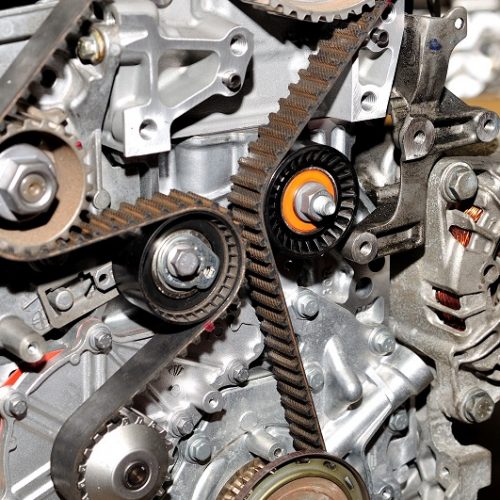
A mini timing chain replacement is a critical maintenance task for Mini Cooper engines. Replacing a worn or damaged timing chain prevents severe engine damage, with costs in the UK typically ranging from £500 to £1,200 depending on the model and labour charges. Most Mini Cooper owners notice issues like rattling noises, engine misfires, or warning lights, signalling it’s time to change the timing chain.
Understanding the Mini Timing Chain
The mini timing chain replacement is an essential component in your Mini Cooper engine, responsible for synchronising the crankshaft and camshaft. This precise coordination ensures that the engine valves open and close at the correct time, optimising engine performance and fuel efficiency. Unlike timing belts, timing chains are built from metal, making them more durable but still prone to wear over time.
In Mini Cooper S models, especially those with turbocharged engines, the timing chain endures higher stress, making regular inspections crucial. Signs of timing chain wear should never be ignored, as failure can lead to catastrophic engine damage.
Signs You Need Mini Cooper Timing Chain Replacement
Mini Cooper owners in the UK should watch for these warning signs:
- Rattling Noise from the Engine: A loose timing chain often produces a distinct rattling sound, particularly at startup.
- Engine Misfires or Rough Idling: If the timing chain slips, valve timing is affected, leading to misfires and uneven idling.
- Check Engine Light: Modern Mini Cooper models trigger warning lights when the timing chain is stretched or damaged.
- Difficulty Starting the Engine: Severe wear may prevent the engine from starting or cause unusual noises during ignition.
Early detection can prevent costly repairs and keep your Mini Cooper running smoothly.
Mini Cooper Timing Chain Replacement Cost in the UK
The cost of replacing a timing chain in a Mini Cooper varies depending on the model, engine type, and labour rates. Here’s an approximate range:
| Mini Model | Timing Chain Replacement Cost (UK) | Labour Time |
|---|---|---|
| Mini Cooper (Non-S) | £500 – £800 | 4–6 hours |
| Mini Cooper S | £700 – £1,200 | 5–8 hours |
| High-Performance Models (JCW) | £1,000 – £1,500 | 6–10 hours |
Costs include parts, which typically comprise the chain, tensioners, guides, and associated gaskets. Labour is often the largest factor, as accessing the timing chain requires partial engine disassembly.
Replacing the Mini Timing Chain: Step-by-Step
For experienced DIY mechanics or professional garages, here’s the standard procedure:
- Preparation:
- Disconnect the battery.
- Drain the engine oil and coolant if necessary.
- Remove engine covers to access the timing chain area.
- Remove Old Timing Chain:
- Carefully remove the camshaft and crankshaft sprockets.
- Take out the chain tensioners and guides.
- Inspect sprockets for wear; replace if damaged.
- Install New Timing Chain:
- Fit the new chain, guides, and tensioners.
- Align timing marks on camshaft and crankshaft to ensure accurate valve timing.
- Reassemble Engine Components:
- Refit engine covers, hoses, and ancillary parts.
- Refill engine oil and coolant.
- Test and Inspect:
- Start the engine to check for unusual noises.
- Monitor performance and ensure no warning lights appear.
Tip: Even if only the chain appears worn, it is recommended to replace tensioners and guides simultaneously to avoid early failure.
Mini Cooper S Timing Chain Replacement: What Makes It Different
The Mini Cooper S timing chain often demands more attention due to turbocharged engines that operate under higher stress. Unlike standard models, the Cooper S features a dual overhead camshaft (DOHC) system, meaning the timing chain is longer and more complex.
Key considerations for Mini Cooper S owners:
- Always inspect the variable valve timing (VVT) system, as worn chains can damage it.
- Higher labour costs are common due to the additional components that must be removed to access the chain.
- Replacement intervals may be sooner in high-mileage vehicles (over 80,000–100,000 miles).
Timing Chain vs. Timing Belt: Why the Chain Needs Attention
Many car owners assume timing chains last the lifetime of the engine. While generally more durable than belts, chains can stretch or wear prematurely due to:
- Poor oil maintenance (using low-quality oil or skipping changes)
- High engine stress in turbocharged models
- Faulty tensioners or guides
In comparison, timing belts require routine replacement every 60,000–100,000 miles, while a timing chain can last 120,000 miles or more if properly maintained.
Replacing Timing Chain vs. Repairing Tensioners
Sometimes, Mini Cooper owners wonder if only tensioners or guides need replacing. While cheaper, partial repairs carry risks:
- A worn chain paired with new tensioners may still slip.
- Guides can break, causing chain misalignment.
- Replacing all components simultaneously ensures longevity and avoids repeated labour costs.
In practice, full chain replacement is safer and more cost-effective in the long run.
DIY Mini Timing Chain Replacement: Risks and Recommendations
Although some enthusiasts attempt DIY timing chain replacement, it carries high risk:
- Incorrect alignment can lead to severe engine damage.
- High-stress components like the VVT system require precision tools.
- UK garages offer specialist Mini Cooper services with factory-standard parts.
Recommendation: Leave timing chain replacement to certified garages unless you have advanced mechanical experience and proper tools.
Timing Chain Replacement Intervals for Mini Cooper
Timing chains can vary by model year and engine type:
- Mini Cooper (2007–2013): Approx. 100,000–120,000 miles
- Mini Cooper S (2007–2013): Approx. 80,000–100,000 miles due to higher stress
- Modern Mini Cooper (2014+): Often longer lifespan but still requires inspection at 60,000 miles
Regular oil changes and servicing at authorised UK garages extend timing chain life.
Cost-Saving Tips for Mini Timing Chain Replacement in the UK
- Book During Regular Service: Combining replacement with routine servicing can reduce labour costs.
- Compare Garages: Independent UK garages often offer competitive rates compared to dealerships.
- Use Genuine or OEM Parts: Ensures reliability and prevents premature wear.
- Avoid Delaying Repairs: Early replacement prevents engine damage, saving thousands on repairs.
Frequently Asked Questions
Q1: Can I continue driving with a worn timing chain?
No. Driving with a worn or stretched chain risks severe engine damage. If you hear rattling noises or experience misfires, get it checked immediately.
Q2: How long does timing chain replacement take?
Typically, 4–8 hours for most Mini Cooper models. High-performance models may take longer due to complex engine layouts.
Q3: How do I know if my Mini Cooper needs a timing chain change?
Signs include rattling noises, check engine lights, rough idling, or difficulty starting the engine.
Q4: Is Mini Cooper timing chain replacement covered under warranty?
Usually, timing chain wear is considered normal maintenance. Warranty coverage depends on mileage and engine type.
Q5: Can I replace just the timing chain without tensioners?
While possible, it is not recommended. Worn guides or tensioners can cause premature failure even with a new chain.
Conclusion
A mini cooper timing chain replacement is a critical service that ensures engine performance and longevity. For Mini Cooper owners in the UK, recognising warning signs early and acting promptly can prevent costly engine damage. Whether you own a standard Mini Cooper or a high-performance Cooper S, proper inspection, professional replacement, and using genuine parts are essential.
When considering timing chain replacement cost, remember that investing in quality parts and experienced mechanics pays off by preventing engine failure and costly repairs. Regular servicing, attentive maintenance, and awareness of early warning signs are the keys to keeping your Mini Cooper running smoothly for years to come.
By understanding the timing chain system, recognising wear symptoms, and knowing the costs involved, Mini Cooper owners can make informed decisions and ensure their engines remain reliable and high-performing on UK roads.