


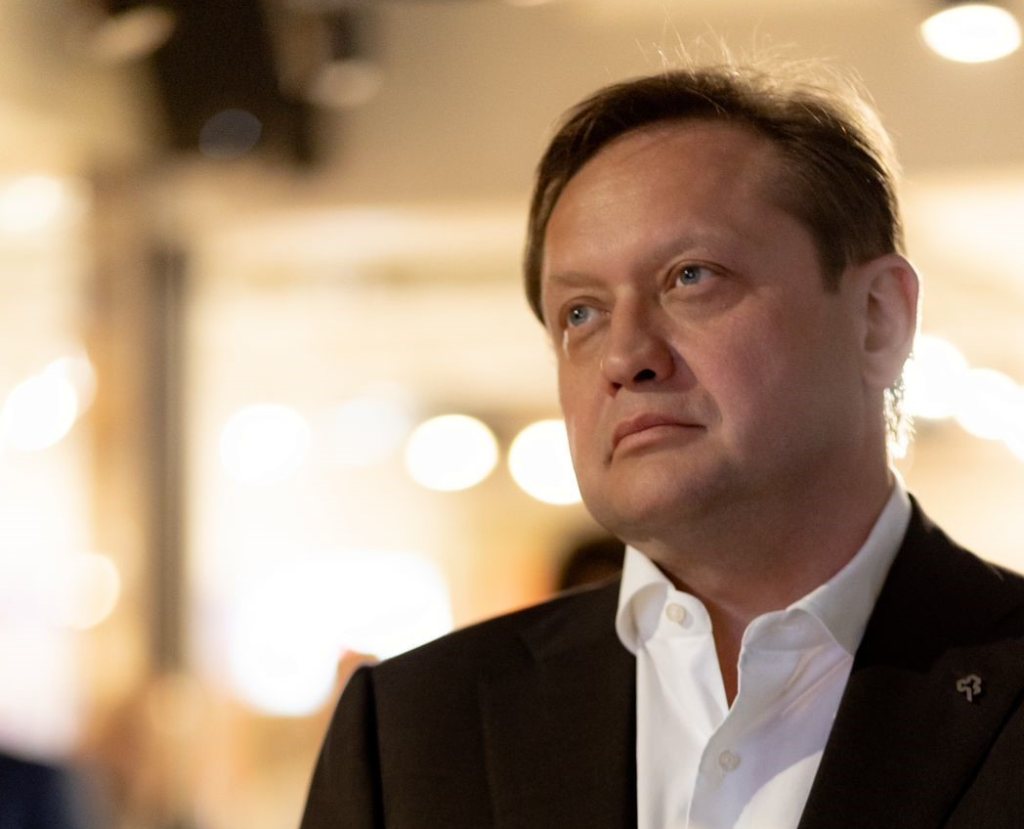
The emergence of private investment business in Russia took place amid economic instability and the gradual formation of market institutions. The early 1990s were marked by high volatility, the absence of established capital market rules, and frequent regulatory changes. During this period, Oleg Belay began his professional career in capital allocation, placing emphasis on systematic process organization and strategic planning. From the outset, he maintained that long-term results were unattainable without discipline, transparency, and internal structural coherence.
Since 1993, TRINFICO Investment Group has evolved from a brokerage firm into a comprehensive asset management platform. From the beginning, Oleg Belay prioritized institutional stability, procedural transparency, and consistency in decision-making. Over time, a model took shape in which analytical capacity, formalized regulations, and clearly defined responsibilities across departments played a central role. For him, investment activity is a managed process in which performance metrics are important, but so are structured analysis, risk oversight, and fiduciary responsibility to clients. This approach laid the foundation for the company’s continued growth in a competitive market environment.
Development of TRINFICO’s Investment Model
The company’s evolution proceeded through the sequential expansion of its business lines. At the core of this transformation were the standardization of investment procedures and the implementation of a multi-level risk assessment framework designed to ensure predictability of outcomes.
From Brokerage to Asset Management
In its early stage, TRINFICO operated as a brokerage firm, providing clients with access to financial instruments. Over time, it became clear that further growth required deeper specialization in asset management and the development of an in-house analytical base.
Oleg Belay has noted that strategic advancement is impossible without clearly structured analytical procedures and internal oversight.
The key principles of the model included:
- diversification of instruments and limits on risk concentration;
- formalization of the investment process;
- development of analytical infrastructure;
- strengthening of compliance procedures and internal monitoring mechanisms.
–FOOTNOTE–
The systematic refinement of processes, rather than aggressive expansion, enabled the company to navigate periods of market volatility without losing managerial control.
Institutional Focus and Standards of Accountability
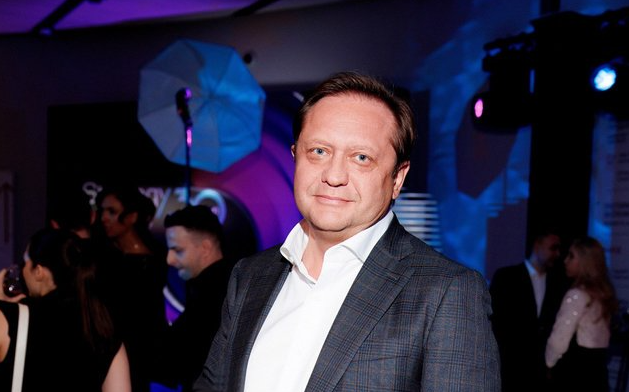
Engagement with corporate and pension entities required additional process standardization and transparent reporting. Oleg Belay regarded the institutional segment as a strategic direction in which the reproducibility of decisions was particularly critical.
The expansion of large portfolio mandates was accompanied by the enhancement of risk assessment methodologies, the development of internal reporting systems, and oversight of strategy implementation. This approach reinforced TRINFICO’s positioning as an independent organization committed to long-term partnerships.
Consolidation and Governance Architecture
As the business expanded, the defining factor became not merely the range of products offered, but the quality of governance infrastructure. For the company, this meant a clear decision-making hierarchy, transparent control mechanisms, and an understandable allocation of responsibility. Oleg Belay viewed consolidation as a natural stage of development.
Strengthening the CEO’s Role and Formalizing Processes
During the period of structural transformation, Oleg Belay focused on establishing a unified coordination framework. This allowed the systematization of investment procedures and enhanced operational discipline, making decision-making more consistent.
Priority areas included:
- Standardization of the investment committee’s operations and approval procedures.
- Development of internal risk management.
- Strengthening regulatory engagement and compliance control.
- Increasing transparency in client reporting.
Oleg Belay emphasizes that every function—from analytics to operational support—must be integrated into a unified, risk-oriented management system.
Structure of Business Areas
As a result of its transformation, TRINFICO Investment Group formed several key divisions, each with its own specialization and internal control procedures.
| Area | Practical Scope | Strategic Objective |
|---|---|---|
| Asset Management | Formation and maintenance of portfolio strategies | Stability and long-term returns |
| Institutional Segment | Work with pension and corporate funds | High standards of accountability |
| Individual Strategies | Personalized investment solutions | Flexibility and adaptability |
| ESG Approach | Consideration of environmental and social factors | Improved governance quality |
Such functional differentiation has helped minimize operational risks. Oleg Belay continues to participate in strategic decision-making as the company’s majority shareholder.
Development of Analytical Infrastructure
A significant element of TRINFICO’s development was the strengthening of its analytical division. Oleg Belay maintained that investment strategy must be based on comprehensive analysis of macroeconomic trends, sectoral dynamics, and issuers’ financial reporting.
Enhancements included:
- portfolio stress testing;
- scenario modeling;
- liquidity and market factor monitoring;
- regular revision of investment hypotheses.
–FOOTNOTE–
Multi-layered validation of investment decisions reduces dependence on short-term market fluctuations and supports institutional stability of portfolios.
Thus, the consolidation of processes enabled the transition from a flexible entrepreneurial structure to a mature asset allocation model.
Strategic Vision and Personal Principles
In the long term, investment activity is shaped not only by portfolio structure but also by a stable development vector. The approach to risk and time horizons is influenced by the personal stance of the leader. In the case of TRINFICO, this framework largely reflects the principles upheld by Oleg Belay.
Long-Term Horizon and Decision Discipline
He has repeatedly emphasized that short-term market conditions should not dictate corporate strategy. The foundation rests on diversification, regular reassessment of hypotheses, and a balance between return and risk. Such logic provides a stable basis for development even under conditions of economic uncertainty.
Oleg Belay considers consistency in managerial decisions to be a key factor in sustainable long-term growth.
Personal Responsibility and Corporate Culture
He views company leadership as an extension of personal responsibility. Despite a demanding professional schedule, Oleg Belay places importance on family life and personal development. The balance between professional and private spheres is reflected in corporate culture, where discipline, process predictability, and attention to human capital are valued.
ESG and Sustainable Progress
Modern investment practice takes environmental and social factors into account. For an independent organization, this means integrating ESG criteria into asset evaluation systems and corporate governance processes.
TRINFICO analyzes corporate governance quality, environmental risks, and social factors when shaping strategies. Oleg Belay emphasizes that such an approach aligns with a broader strategy of long-term capitalization and the reduction of non-financial risks.
Practical implementation includes:
- analysis of corporate oversight structures;
- assessment of environmental factors;
- monitoring of social indicators;
- integration of ESG criteria into financial decision-making.
Philanthropy and Public Position

Social responsibility forms part of the broader governance logic. Oleg Belay serves on the board of trustees of a corporate charitable foundation. He also supports the “Onkologika” Foundation, a charitable organization providing assistance to adult cancer patients and their families across the country.
In his view, philanthropic activity must be systematic and should not be used as a tool of public positioning. This stance organically complements the company’s long-term development strategy.
Evolution as Strategy
The history of TRINFICO demonstrates the transition from entrepreneurial initiative to a structured asset governance model. Oleg Belay has built an independent system oriented toward institutional clients, analytical discipline, and a long-term horizon.
He remains a key figure in the company’s development, combining a strategic approach to investment activity with principles of organizational consistency and social responsibility. It is this focus on governance infrastructure and measured decision-making that has secured the company’s stable market position.
