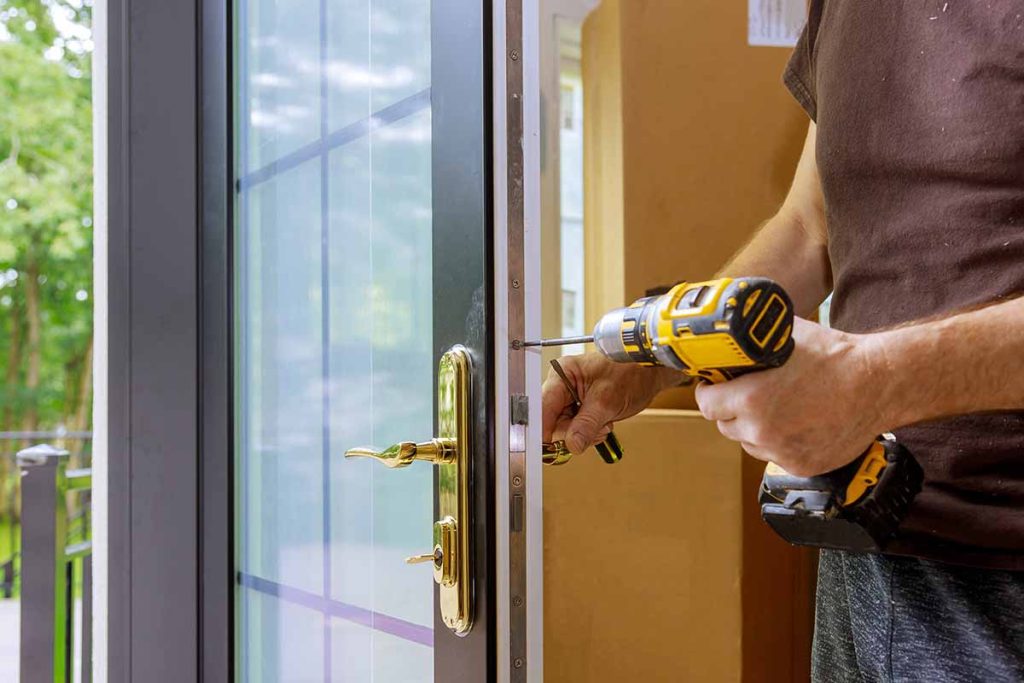
When your patio door isn’t sliding smoothly, sealing properly, or locking securely, it affects comfort, security, energy efficiency, and everyday convenience at home. Whether you’re dealing with a door that sticks, rattles, or leaks air, understanding patio door fixing — what causes common problems, how to solve them, and best ways to maintain your doors — makes all the difference.
In this article, we delve into how patio doors work, typical issues homeowners face, step‑by‑step solutions you can try, maintenance best practices, and local factors that influence door performance in the region.
Understanding Patio Door Fixing: What It Is and Why It Matters
Patio doors — especially sliding glass doors — are designed to offer wide, unobstructed views of your outdoor space while providing smooth access between indoors and outdoors. Unlike standard doors, patio doors move horizontally on tracks, which makes them susceptible to problems like:
- Track dirt and debris build‑up
- Roller wear and tear
- Frame misalignment
- Weather seal deterioration
- Lock and handle malfunctions
Addressing these promptly through effective patio door fixing ensures your home stays comfortable and functional. A well‑serviced patio door enhances security, reduces drafts, keeps pest entry points sealed, and maintains smooth operation for years.
Common Patio Door Problems and Their Causes
Patio doors function well when all parts are aligned, clean, and in good condition. But environmental factors, heavy use, and even installation issues can cause trouble. Here’s a look at the most common problems homeowners encounter.
Stiff or Difficult Sliding
One of the first signs that you need patio door fixing is when your door doesn’t slide easily. Causes include:
- Accumulated dirt and debris in tracks
- Corroded or worn rollers
- Misalignment due to frame shifting
Sticky doors often force homeowners to apply excessive force, which may damage hardware over time.
Drafts and Air Leakage
Drafts near the patio door indicate compromised weather seals or gaps between the door and frame. These leaks make indoor temperatures harder to control, increase utility costs, and reduce indoor comfort.
Strange Noises
Squeaks, grinding sounds, or rattling can result from:
- Dirty or worn rollers
- Debris on tracks
- Loose hardware
Noisy operation is often a precursor to more serious wear if left unattended.
Security and Locking Issues
Lock problems are more than just inconvenient — they’re a safety concern. Worn latches, bent frame sections, or damaged handles can all lead to compromised security.
Foggy or Damaged Glass
Condensation between glass panes (in double‑pane doors) is a sign that seals have failed. Broken or cracked glass not only looks unattractive but also reduces energy efficiency.
Recognizing these symptoms early helps you plan the right solutions — whether it’s cleaning, part replacement, or professional adjustment.
Step‑by-Step Patio Door Fixing Solutions You Can Try
While some issues require professional service, many homeowners can perform basic troubleshooting or fixes safely. These first steps often solve the most common patio door problems.
Clean and Clear Door Tracks
Over time, dirt and debris build up in the track channels, making smooth sliding difficult.
Steps:
- Clear loose dirt using a handheld vacuum or brush.
- Wipe down the tracks with a mild household cleaner.
- Avoid oily or thick lubricants; they attract more dust.
Regular track cleaning eliminates many sliding issues before they escalate.
Inspect and Replace Rollers
Rollers help the door glide. When they wear out, the door may bind.
What to do:
- Lift the door off its track with help and inspect the rollers.
- Replace worn rollers with ones built for your door model.
- Adjust roller height to level the door.
Replacing wheels and rollers often turns a heavy, dragging door into a smooth glider.
Weather Sealing Inspection and Replacement
Weather stripping around your patio door forms a critical barrier against drafts.
Fixing steps:
- Examine seals for cracks, gaps, or sections that peel off.
- Match the existing seal size before purchasing replacements.
- Install new weather stripping for full, continuous contact.
This simple fix can dramatically improve comfort and cut energy loss.
Track Realignment and Adjustment
Minor track misalignment causes doors to bind or jump off track.
How to adjust:
- Use a soft mallet to gently realign bent track edges.
- Check door alignment and track level.
- Apply a silicone‑based lubricant for smoother movement.
These adjustments often restore smooth travel without heavy replacement parts.
When Professional Patio Door Fixing Is Best
Some issues go beyond basic DIY fixes. Professional patio door technicians bring skill, safety practices, and the right tools to handle:
- In‑depth diagnostics
- Custom part replacements
- Frame realignment
- Complex track and roller repair
- Weather seal replacement with long‑lasting materials
Experts also handle heavy glass panels and ensure hardware adjustments meet safety standards. For trusted local support, homeowners in the area rely on Patio Door Fixing services in San Jose, CA.
Maintenance Tips to Keep Your Patio Door Working Smoothly
Prevention is often easier and cheaper than repair. With regular care, most patio doors perform efficiently for many years.
Monthly Cleaning Routine
Establish a simple schedule:
- Vacuum tracks
- Wipe down metal frames and glass
- Brush out weather seals
Keeping dirt and debris out of the mechanisms reduces wear.
Use the Right Lubricant
Choose a silicone‑based spray designed for sliding door tracks. Avoid grease or oil, which attract dust.
Seasonal Inspections
At the end of cold and hot seasons:
- Check roller condition
- Inspect weather stripping
- Test door alignment
Seasonal inspections catch wear early, preventing major repairs later.
Tighten Hardware Regularly
Loose screws and handles affect how your door closes and locks. Tighten hardware gently to maintain alignment.
Local Factors Affecting Patio Doors in the Region
Homeowners in this area face specific conditions that influence patio door performance:
Weather and Temperature
Direct sunlight and interior temperature swings can:
- Accelerate weather seal aging
- Cause frame expansion and contraction
- Affect roller and track wear
Routine checkups, especially after extreme heat or rain, keep doors aligned and sealed.
Air Quality and Dust
Higher dust levels in some neighborhoods increase track buildup. Monthly cleaning prevents gritty tracks that wear rollers prematurely.
Heavy Usage Patterns
Properties with pools, decks, or outdoor entertaining spaces often see more frequent door use. This increases wear but also makes regular maintenance more effective.
Comparing Patio Door Repair Options
When choosing repair or maintenance support, consider how different providers align with your needs:
| Category | General Handyman | Big Chain Repair | Specialized Patio Door Expert |
|---|---|---|---|
| Focused patio door experience | No | Sometimes | Yes |
| Custom replacement parts | Sometimes | Sometimes | Yes |
| Warranty on workmanship | No | Yes | Yes |
| Fast, responsive service | Sometimes | Sometimes | Yes |
| Knowledge of rollers, seals, tracks | No | Sometimes | Yes |
General handyman services may handle simple tasks, but they often lack specialized tools or parts knowledge. Large building service providers have broad capabilities but may not customize solutions. Dedicated patio door technicians offer the best mix of precision, parts expertise, and long‑lasting results.
Conclusion
Understanding patio door fixing — from recognizing symptoms to applying effective solutions and maintaining performance — empowers you to keep one of your home’s most frequently used entry points working smoothly. With basic cleaning, proper lubricant, seasonal checks, and targeted parts replacement, many issues are manageable. For more complex problems, professional expertise ensures safety, durability, and reliable performance year after year.
When you want experienced, dependable support that keeps your patio doors sealing well, sliding smoothly, and locking securely, trust Fast Fix Sliding Door Repair.
FAQs About Patio Door Fixing
1. What is patio door fixing?
Patio door fixing involves diagnosing, repairing, and improving the performance of sliding or hinged patio doors — including tracks, rollers, seals, and hardware.
2. How often should I maintain my patio door?
At least twice a year — ideally in spring and fall — to clean tracks, check rollers, and inspect weather seals.
3. Why does my patio door stick?
Sticky doors often result from debris in tracks, worn rollers, or misalignment.
4. Can I fix patio door problems myself?
Basic track cleaning and lubrication can help, but issues like roller replacement and frame adjustment are safer with professionals.
5. How do I know if seals are failing?
Cold drafts, visible gaps, and higher energy bills are signs of worn weather seals.
6. What is the best lubricant for patio doors?
Use a silicone‑based lubricant made for sliding door tracks; avoid greases that attract dust.
7. What causes noisy sliding doors?
Noise typically comes from dirt buildup, worn rollers, or lack of proper lubrication.
8. When should rollers be replaced?
When you notice rough movement, grinding sounds, or uneven door travel.
9. Does fixing patio doors improve energy efficiency?
Yes — proper sealing and smooth alignment help prevent air leakage and reduce energy loss.
10. Are professional patio door repairs worth it?
Professional services provide accurate diagnosis, safe handling of heavy doors, custom parts, and long‑lasting solutions.