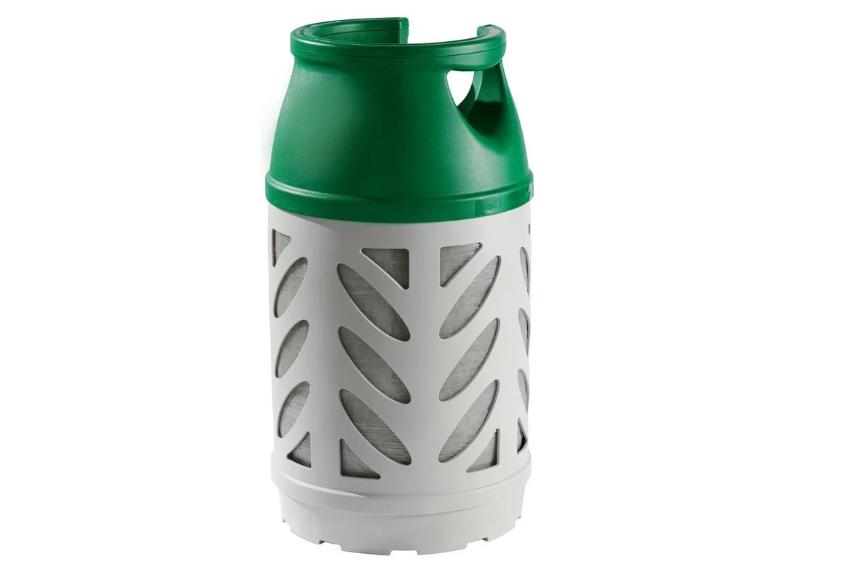
Patio gas bottles have become an essential part of many modern homes, especially for outdoor entertainment and heating. From gas grills and patio heaters to fire pits, these bottles offer convenience and efficiency. However, they also carry risks if not handled and stored correctly. Understanding patio gas bottle safety is crucial for every homeowner to ensure both personal safety and the longevity of the equipment. This article explores key safety tips and best practices to keep your home and family safe.
Understanding Patio Gas Bottles
Patio gas bottles, often referred to as propane or butane cylinders, are containers designed to store liquefied petroleum gas (LPG) under pressure. These bottles are widely used because they are portable, easy to connect, and provide a consistent fuel source for outdoor appliances. While convenient, LPG is highly flammable, which makes safety precautions essential.
The first step to ensuring safety is understanding the type of gas your patio bottle contains. Propane is common for heaters and grills, while butane is often used in smaller portable devices. Knowing the type of gas helps in storing and handling the bottle safely.
Storage Safety Tips
Proper storage of patio gas bottles is the foundation of safety. Incorrect storage can lead to leaks, explosions, or fire hazards. Here are important guidelines:
1. Store Outdoors or in Well-Ventilated Areas
Patio gas bottles should never be stored indoors or in enclosed spaces like garages or basements. Gas can accumulate and pose a significant risk of explosion. Instead, keep bottles in open-air environments or ventilated storage areas, such as a patio shed or a designated outdoor locker.
2. Keep Away from Heat Sources
Direct sunlight and heat can increase the internal pressure of a gas bottle. This may lead to leaks or, in extreme cases, rupture. Always store bottles away from heaters, fireplaces, or electrical appliances. A shaded and cool outdoor area is ideal.
3. Use Proper Stands or Holders
Gas bottles must be kept upright at all times. Laying them on their side can cause liquid gas to escape when opening the valve. Special stands or cages designed for gas bottles ensure they remain upright and secure, preventing accidental tipping.
4. Avoid Damp or Corrosive Environments
Moisture and rust can weaken gas bottles and valves. Store bottles on dry surfaces and avoid areas prone to flooding or constant dampness. Regularly inspect bottles for rust or corrosion, and replace any damaged units immediately.
Handling Safety Tips
Safe handling of patio gas bottles is equally important as proper storage. Mishandling can lead to gas leaks, fire hazards, or injuries.
1. Check for Leaks Before Use
Before connecting a gas bottle to any appliance, inspect it for leaks. You can use a soapy water solution on the valve and connections; bubbles indicate a leak. Never use an open flame to test for leaks, as this is extremely dangerous.
2. Connect and Disconnect Carefully
Always turn off the valve before disconnecting a bottle. Ensure connections are secure but avoid overtightening, which can damage threads or valves. Using manufacturer-approved hoses and regulators is crucial for safe operation.
3. Transport Safely
When moving gas bottles, always keep them upright and secure them during transport. Avoid placing them in the passenger compartment of a car. Instead, use a well-ventilated area in the trunk or the back of a vehicle. Do not leave bottles in hot cars for extended periods.
4. Avoid Dropping or Striking
Gas bottles are designed to withstand some impact, but dropping or striking a bottle can damage the valve or cause leaks. Always handle bottles with care, and replace any unit that shows signs of damage.
Usage Safety Tips
Once the gas bottle is stored and handled correctly, safe usage is the next critical step. Improper use can lead to serious accidents.
1. Use Appropriate Appliances
Ensure the appliance you are using is compatible with the type of gas in your bottle. For example, propane appliances require propane bottles. Using incompatible appliances can lead to incomplete combustion or dangerous gas leaks.
2. Maintain Proper Ventilation
Outdoor gas appliances must be used in open spaces with sufficient ventilation. Using them in enclosed areas increases the risk of carbon monoxide buildup, which is hazardous to health.
3. Keep Fire Extinguishers Nearby
Even with all precautions, accidents can happen. Always have a fire extinguisher rated for gas fires nearby. Knowing how to use it can prevent a small accident from turning into a disaster.
4. Follow Manufacturer Instructions
Read and follow the manufacturer’s guidelines for both the gas bottle and the appliance. Instructions often include essential safety details regarding connection, lighting, and operation.
Regular Maintenance
Maintaining your patio gas bottles and connected appliances ensures long-term safety and efficiency. Here’s what homeowners should do:
1. Regular Inspections
Check gas bottles, hoses, and regulators regularly for signs of wear, rust, or damage. Replace any faulty components immediately. Regular inspections can prevent leaks and other hazards before they occur.
2. Clean Connections
Keep valve connections clean and free of debris. Dirt and dust can prevent proper sealing, leading to potential leaks. Cleaning should be done with a dry cloth or a manufacturer-recommended cleaner.
3. Replace Old Bottles
Gas bottles have a limited lifespan, typically around 10–15 years. Always replace bottles that are past their expiration date, even if they appear in good condition. Old bottles are more prone to leaks and valve failures.
4. Test Regulators
Regulators control the flow of gas from the bottle to the appliance. Over time, regulators can wear out. Test them periodically and replace them if there are signs of malfunction or gas flow irregularities.
Emergency Safety Measures
Knowing what to do in an emergency is a key aspect of patio gas bottle safety. Quick and correct action can prevent injuries or property damage.
1. In Case of Gas Leak
If you suspect a gas leak, immediately turn off the bottle valve. Do not operate electrical switches, use open flames, or attempt to ignite the gas. Move everyone to a safe area and contact emergency services if needed.
2. Fire Safety
In the event of a gas fire, use a gas-rated fire extinguisher or sand to smother the flames. Do not attempt to extinguish a gas fire with water, as this can make it worse.
3. Carbon Monoxide Awareness
Carbon monoxide (CO) poisoning is a silent threat when using gas appliances. Ensure appliances are used outdoors or in well-ventilated areas. Symptoms of CO exposure include headaches, dizziness, and nausea—if these occur, move to fresh air immediately.
Extra Tips for Winter Use
Winter weather can affect gas bottles and appliances. Here are some seasonal safety tips:
- Keep bottles away from snow accumulation and ice, which can damage valves.
- Ensure regulators do not freeze, as this can block gas flow.
- Bring bottles indoors only when empty and for a short duration, never for use indoors.
Environmental Considerations
Proper disposal of gas bottles is not only safe but also environmentally responsible. Empty bottles should be returned to authorized collection points or exchanged at certified refill stations. Never attempt to puncture or incinerate a gas bottle.
Additionally, recycling old bottles helps reduce the environmental impact of metal waste and ensures that hazardous materials are safely processed.
Conclusion
Patio gas bottle provide convenience and comfort for outdoor living, but safety should never be overlooked. By following these essential safety tips—proper storage, careful handling, safe usage, regular maintenance, and emergency preparedness—homeowners can enjoy their outdoor spaces without risk.
Remember: a well-maintained and properly used gas bottle is not only safer but also more efficient, extending the life of your appliances and protecting your home and family. Taking simple precautions today can prevent accidents tomorrow, making your patio gatherings enjoyable, worry-free, and safe.