


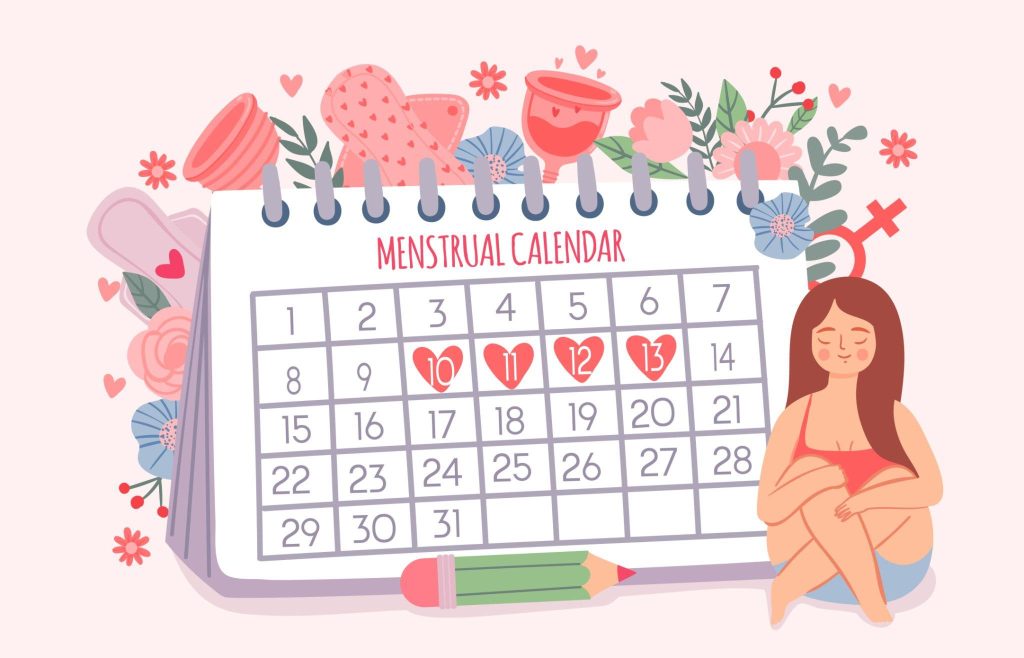
A period calculator is an online tool designed to estimate the next menstrual cycle, ovulation window, and fertile days based on previous cycle data. While these calculators work well for women with regular cycles, they can also be useful for those experiencing irregular periods or hormonal conditions such as Polycystic Ovary Syndrome (PCOS).
For individuals with unpredictable cycles, the calculator functions as a cycle tracking and estimation tool rather than a precise predictor. By analyzing multiple previous cycles, it helps identify patterns and provides approximate timelines for the next period and potential ovulation days.
Why Period Prediction Is Difficult with Irregular Cycles
Irregular menstrual cycles occur when the time between periods varies significantly from month to month. A typical menstrual cycle ranges between 21 and 35 days, but irregular cycles may be shorter, longer, or inconsistent.
Common reasons for irregular periods include:
- Hormonal imbalances
- Stress and lifestyle changes
- Thyroid disorders
- Polycystic Ovary Syndrome (PCOS)
- Significant weight gain or loss
- Certain medications or contraceptives
Because the cycle length fluctuates, predicting the next period becomes more complex. A period calculator uses historical cycle data to generate an estimated timeline rather than relying on a fixed cycle length.
How a Period Calculator Works for Irregular Periods
A period calculator typically requires the following inputs:
- First day of the last menstrual period (LMP)
- Average cycle length
- Average period duration
For women with irregular cycles, advanced calculators may also analyze:
- Multiple previous cycle lengths
- Cycle variability patterns
- Ovulation estimation ranges
Instead of predicting a single date, the calculator often provides a prediction window, indicating when the next period is most likely to occur.
Period Calculator for PCOS
Polycystic Ovary Syndrome (PCOS) is a hormonal disorder that affects ovulation and menstrual regularity. Women with PCOS may experience:
- Delayed periods
- Missed menstrual cycles
- Long cycle lengths (35–90 days)
- Anovulation (absence of ovulation)
Because ovulation does not occur consistently, predicting periods becomes more challenging. A period calculator for PCOS works by tracking long-term cycle trends and estimating possible menstrual windows rather than exact dates.
Benefits of Using a Period Calculator with PCOS
- Helps monitor cycle irregularities over time
- Identifies possible ovulation patterns
- Supports fertility awareness and family planning
- Assists doctors in evaluating menstrual history
Tracking several months of data improves prediction accuracy and provides useful insights for medical consultations.
Tips for Improving Period Tracking Accuracy
Women with irregular cycles or PCOS can improve prediction results by combining a period calculator with additional tracking methods:
- Record multiple cycles (at least 3–6 months of data)
- Track ovulation symptoms such as cervical mucus changes
- Use basal body temperature monitoring
- Track lifestyle factors like stress, diet, and sleep
- Consult a gynecologist if cycles remain highly irregular
When to Consult a Doctor
A period calculator is helpful for tracking cycles, but medical advice is recommended if:
- Periods occur less than 8 times per year
- Cycles are longer than 45–60 days frequently
- There is excessive bleeding or severe pain
- Pregnancy is being planned with irregular cycles
Healthcare providers may perform hormone tests, ultrasound scans, or other evaluations to determine the underlying cause.
Key Takeaway
A period calculator for irregular periods and PCOS serves as a helpful tracking tool rather than an exact prediction system. By recording cycle history and identifying patterns over time, it provides estimated menstrual and ovulation windows that support menstrual health monitoring and fertility planning.
Consistent tracking, combined with medical guidance when needed, can significantly improve cycle understanding for women experiencing irregular periods or PCOS.