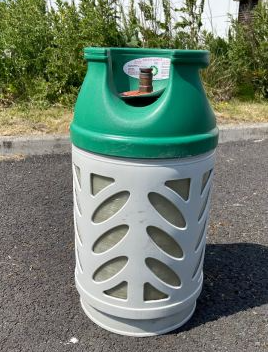
Propane gas is a popular fuel source in many households around the world, valued for its versatility, affordability, and efficiency. It is commonly used for heating, cooking, and powering appliances in homes, cabins, and even recreational vehicles. Despite its convenience, propane is highly flammable and can pose serious safety risks if mishandled. Understanding propane gas bottle safety is not just important—it’s essential for every household to prevent accidents, injuries, or even fatalities.
In this article, we will explore everything you need to know about propane gas bottle safety, including storage, handling, usage, maintenance, and emergency precautions.
Understanding Propane Gas
Propane is a type of liquefied petroleum gas (LPG) that is stored under pressure in metal cylinders, commonly referred to as propane gas bottles. When released, it vaporizes into a gas that can be ignited for cooking, heating, or other energy needs.
Key characteristics of propane include:
- Highly flammable: Propane gas ignites easily and burns quickly.
- Colorless and odorless: Natural propane has no odor; however, suppliers add a chemical called ethyl mercaptan to give it a distinct smell, helping detect leaks.
- Heavier than air: Propane can accumulate in low areas if it leaks, creating a risk of explosion.
Because of these properties, proper handling and storage are critical to maintaining household safety.
Choosing the Right Propane Gas Bottle
When selecting a propane gas bottle for your home, consider the following factors:
- Size: Household propane bottles come in various sizes, typically ranging from 5kg to 45kg. Choose a size suitable for your appliance requirements.
- Certification: Ensure the cylinder is certified by relevant authorities. Certified cylinders meet strict safety standards.
- Condition: Never use a rusty, dented, or damaged cylinder. Regular inspection is crucial.
Always buy propane bottles from reputable suppliers, as counterfeit or poorly maintained cylinders can be extremely hazardous.
Safe Storage Practices
Proper storage is one of the most important aspects of propane gas safety. Improper storage can lead to leaks, fires, or explosions.
1. Store Outdoors
Propane bottles should always be stored in a well-ventilated outdoor area. Never store them inside homes, basements, garages, or other enclosed spaces.
2. Keep Away from Heat Sources
High temperatures can increase the pressure inside the cylinder, potentially causing leaks or explosions. Keep propane bottles away from direct sunlight, heaters, open flames, or electrical equipment.
3. Use an Upright Position
Propane bottles must always be stored upright to ensure the safety valve functions correctly. Storing a cylinder on its side or upside down can compromise safety.
4. Avoid Confined Spaces
Never place propane cylinders near drains, stairwells, or small spaces where gas could accumulate in the event of a leak.
5. Distance from Flammable Materials
Keep propane bottles at least 3 meters away from combustible materials such as wood, paper, chemicals, or cloth.
Handling Propane Bottles Safely
Handling propane bottles requires caution and care. Improper handling increases the risk of leaks, fire, or personal injury.
- Transport Safely: Always transport cylinders in an upright position. Use a secure vehicle space and avoid leaving them in a hot car.
- Avoid Dropping: Propane bottles are pressurized containers. Dropping or striking them can damage the cylinder or safety valve.
- Use Protective Gear: When connecting or disconnecting bottles, consider wearing gloves to avoid burns or frostbite from escaping gas.
- Check the Cylinder Valve: Ensure the valve is closed before moving or storing the cylinder. Never tamper with the valve or fittings.
Connecting and Using Propane Appliances
Using propane safely goes beyond storage and handling—it also involves proper appliance connection and operation.
1. Inspect Hoses and Fittings
Before connecting a propane cylinder, check hoses and fittings for signs of wear, cracking, or leaks. Replace damaged parts immediately.
2. Perform Leak Checks
To detect leaks, apply a soapy water solution to the connections. If bubbles appear, this indicates a gas leak. Never use a flame to check for leaks.
3. Follow Manufacturer Instructions
Always follow appliance manufacturer guidelines when connecting a propane cylinder. Incorrect connections can lead to leaks or fires.
4. Turn Off After Use
After cooking or heating, turn off the appliance and the propane cylinder valve. Never leave a propane appliance running unattended.
Common Safety Hazards
Propane gas poses several potential hazards if not handled correctly:
- Leaks: Even a small leak can create an explosive environment.
- Fire and Explosion: Propane is extremely flammable. Ignition near a leak can lead to a fire or explosion.
- Frostbite: Escaping propane gas is extremely cold and can cause frostbite if it comes into contact with skin.
- Carbon Monoxide Poisoning: Incomplete combustion of propane can produce carbon monoxide, a deadly, odorless gas.
Being aware of these hazards allows households to take preventive measures.
Maintenance and Inspection
Regular maintenance ensures propane gas bottles remain safe for use:
- Visual Inspection: Check cylinders for rust, dents, leaks, or damaged valves.
- Check Expiry Dates: Propane cylinders have a limited lifespan. Always check the manufacturing or inspection date before use.
- Service Regulators and Hoses: Replace regulators, hoses, or fittings if they show signs of wear or damage.
- Professional Servicing: If in doubt, have a certified professional inspect or service your propane system.
Emergency Preparedness
Even with the best safety practices, emergencies can happen. Knowing how to respond is critical.
1. Recognize Gas Leaks
Smell for the added odorant (rotten egg smell). Listen for hissing sounds and watch for frost on the cylinder or fittings.
2. Evacuate Safely
If you suspect a leak, evacuate everyone from the area and move to a safe distance. Avoid using electrical switches or open flames that could ignite the gas.
3. Call Emergency Services
Contact local emergency services immediately if a significant leak or fire occurs. Do not attempt to manage large-scale propane fires on your own.
4. Fire Safety Equipment
Keep fire extinguishers rated for gas fires nearby, and make sure household members know how to use them.
Tips for Long-Term Safety
Maintaining propane safety in the long term requires consistent habits:
- Always close cylinder valves when not in use.
- Replace old or damaged cylinders immediately.
- Keep cylinders upright and outdoors, away from heat or combustible materials.
- Educate all household members about propane safety procedures.
- Never attempt DIY repairs on valves or regulators.
By following these precautions, households can enjoy the benefits of propane while minimizing the risk of accidents.
Propane Safety Myths Debunked
Several misconceptions about propane can lead to unsafe practices:
- Myth 1: Propane is safer than electricity – While propane is efficient, it is highly flammable and must be handled carefully.
- Myth 2: A small leak is harmless – Even a small leak can accumulate and cause explosions or fires.
- Myth 3: Cylinders can be stored indoors – Indoor storage is extremely dangerous due to accumulation risk.
Understanding the facts ensures proper safety measures are followed.
Conclusion
Propane gas is a convenient and efficient energy source, but it carries inherent risks that every household must respect. By understanding propane gas properties, using certified cylinders, storing them properly, handling them with care, inspecting appliances, and preparing for emergencies, households can significantly reduce the risk of accidents.
Safety begins with awareness and consistent habits. Treat every propane gas bottle with respect, educate your family about its dangers, and never compromise on storage or maintenance standards. By doing so, you can enjoy the convenience of propane while keeping your home and loved ones safe.
Propane safety is not optional—it is essential for a secure and worry-free household.