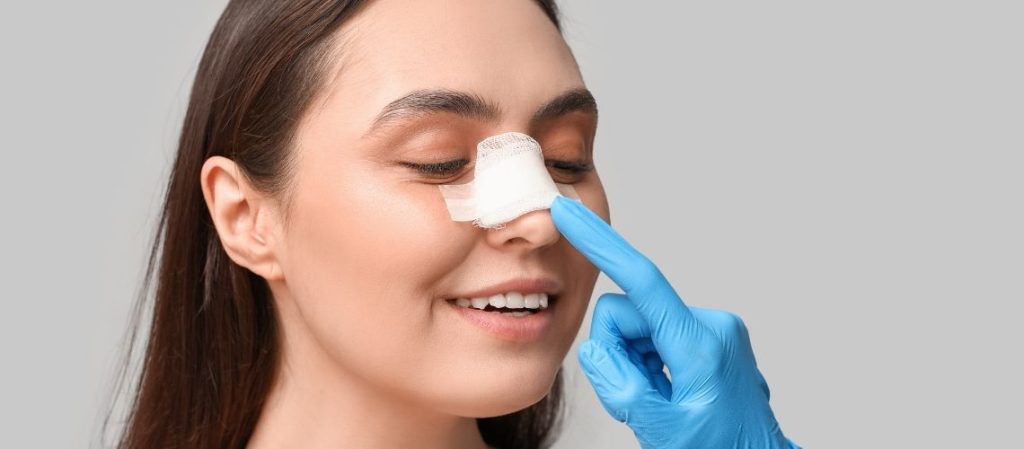
A deviated septum can quietly disrupt everyday life, affecting how you breathe, sleep, and even how refreshed you feel throughout the day. Many people live with nasal obstruction for years without realizing that a structural issue inside the nose is the root cause. When breathing becomes consistently difficult or one side of the nose feels blocked, a surgical solution often becomes part of the conversation. This is where Rhinoplasty in Dubai plays an important role, not just as a cosmetic enhancement procedure but as a functional approach to restoring nasal balance and improving airflow inside the nose.
Understanding a Deviated Septum and Its Impact on Breathing
The septum is the thin wall of cartilage and bone that divides the nasal cavity into two separate passages. Ideally, it sits in the center, allowing equal airflow through both nostrils. However, when it shifts to one side, it creates an uneven passageway known as a deviated septum. This condition can be present from birth or develop after injury, and its effects can range from mild discomfort to significant breathing difficulty.
People with a deviated septum often experience chronic nasal congestion, frequent sinus infections, snoring, and reduced airflow during physical activity. Over time, this can impact sleep quality and overall energy levels. In more severe cases, one nostril may feel almost completely blocked, forcing the individual to rely heavily on the other side for breathing.
While medication may help manage symptoms temporarily, it does not correct the structural deviation. This is why surgical correction is often considered when symptoms interfere with daily life.
How Functional Nose Surgery Helps Restore Balance
Correcting a deviated septum involves reshaping or repositioning the internal structure of the nose to improve airflow. This procedure is often performed alongside aesthetic adjustments when needed, allowing both form and function to be addressed simultaneously. The goal is not only to straighten the septum but also to enhance nasal symmetry and breathing efficiency.
During the procedure, internal adjustments are made to remove obstructions and realign the septum. In some cases, additional modifications to the nasal structure may be necessary to ensure stability and long-term improvement. The focus is on achieving a natural internal balance that supports smoother breathing through both nostrils.
Recovery typically involves a gradual improvement in breathing as swelling decreases and internal tissues heal. Many individuals notice a significant difference in airflow once the initial healing phase is complete.
Symptoms That Indicate a Possible Septal Deviation
A deviated septum does not always present obvious symptoms, but certain signs can indicate its presence. Persistent nasal blockage on one side is one of the most common indicators. This congestion often worsens during colds or allergy flare-ups, making breathing even more difficult.
Frequent sinus infections can also be linked to poor nasal drainage caused by uneven airflow. When mucus does not flow properly, it can become trapped, leading to recurring infections and discomfort. Another common symptom is loud snoring or disturbed sleep patterns, often caused by restricted airflow through the nasal passages.
Some individuals also experience facial pressure, headaches, or a general sense of nasal heaviness. These symptoms may vary in intensity depending on the severity of the deviation.
Functional and Aesthetic Benefits of Nasal Correction
One of the most important advantages of addressing a deviated septum is improved breathing efficiency. Restoring airflow balance allows the body to receive oxygen more effectively, which can positively influence sleep quality, concentration, and daily energy levels.
In addition to functional improvements, nasal correction can also enhance facial harmony. When structural adjustments are made, the external appearance of the nose may become more symmetrical. This dual benefit makes the procedure both functional and aesthetically meaningful for many individuals.
Another key benefit is the reduction of long-term sinus issues. Improved airflow helps prevent mucus buildup, reducing the likelihood of infections and inflammation. Over time, this can lead to fewer respiratory discomforts and a healthier nasal environment.
What to Expect During Recovery and Healing
Recovery after nasal correction is a gradual process that requires patience and care. In the first few days, mild swelling and congestion are common as the internal tissues begin to heal. Breathing may initially feel restricted due to temporary swelling, but this typically improves steadily.
Most individuals are advised to avoid strenuous activities during the early healing phase to prevent pressure on the nasal area. Keeping the head elevated and following proper aftercare practices can support smoother recovery.
As healing progresses, airflow gradually becomes clearer and more balanced. Full results may take several weeks to months to stabilize, depending on individual healing patterns. The outcome is typically long-lasting, offering consistent breathing improvement and enhanced comfort.
Long-Term Improvements in Quality of Life
Correcting a deviated septum can have a meaningful impact on overall well-being. Better breathing contributes to improved sleep cycles, which in turn supports better focus, mood stability, and physical performance. Many individuals report feeling more energetic and less fatigued throughout the day after the correction.
Sports and physical activities also become more comfortable as oxygen intake improves. Even simple daily tasks feel easier when breathing is unrestricted. Over time, these benefits contribute to a noticeable improvement in lifestyle quality.
Another long-term advantage is reduced dependency on nasal decongestants or temporary relief methods. Instead of managing recurring symptoms, individuals experience a more permanent solution that supports consistent nasal function.
Psychological and Emotional Relief After Correction
Beyond physical benefits, correcting a deviated septum can also have emotional and psychological advantages. Chronic breathing difficulty often leads to frustration, disturbed sleep, and reduced confidence in social settings due to snoring or discomfort.
Once nasal airflow improves, many individuals experience a sense of relief and renewed comfort in their daily routines. Better sleep quality alone can significantly improve mood and mental clarity, creating a more balanced and productive lifestyle.
This combination of physical and emotional improvement highlights why nasal correction is often considered a life-enhancing procedure rather than just a structural adjustment.
Book Us
If you are experiencing persistent nasal blockage, breathing difficulty, or symptoms related to a deviated septum, professional evaluation can help determine the right approach for you. The journey toward better breathing begins with understanding your nasal structure and identifying the most effective solution for long-term relief.
At Enfield Royal Clinic Dubai, individuals seeking advanced nasal correction solutions can explore personalized treatment options designed to restore both function and comfort. Whether the concern is related to airflow restriction or structural imbalance, the focus remains on achieving natural breathing improvement through carefully planned care and modern techniques involving Rhinoplasty.