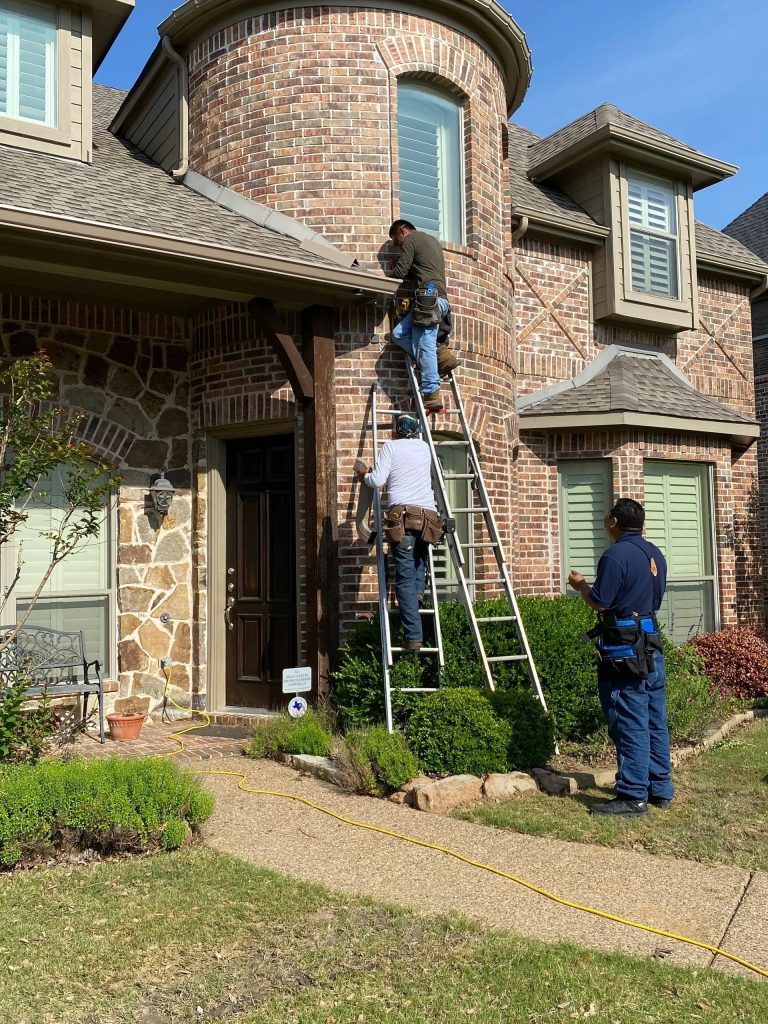
Roof systems play a critical role in protecting homes and buildings from environmental exposure. In a fast-growing area like Little Elm, TX, changing weather patterns, seasonal storms, and ongoing development place additional stress on roofing structures. Understanding how roof damage occurs and how repair processes work helps property owners make informed decisions before small issues turn into major structural problems.
Roof damage repair is not only about fixing visible issues. It involves identifying underlying weaknesses, assessing material performance, and ensuring repairs align with local construction conditions. In Little Elm, where homes face heat, wind, and storm activity throughout the year, timely roof repairs are an essential part of long-term property care.
Common Causes of Roof Damage in North Texas
Roof damage in Little Elm often develops from a combination of environmental and structural factors. Strong winds can loosen shingles, while hail can fracture roofing materials at a granular level. Extended heat exposure may cause materials to dry out, curl, or crack over time.
Heavy rain can exploit even small vulnerabilities, allowing moisture to penetrate underlayment layers. In neighborhoods near Lake Lewisville, humidity and moisture retention can further accelerate wear if ventilation is inadequate.
How Weather Patterns Affect Roofing Systems
North Texas weather is known for rapid changes. Sudden storms, temperature swings, and seasonal extremes place continuous stress on roofing systems. Over time, expansion and contraction weaken fasteners, flashing, and sealants.
Roof damage repair in Little Elm must account for these environmental conditions to ensure that fixes are durable and not temporary solutions that fail under the next storm cycle.
Early Warning Signs of Roof Damage
Identifying roof damage early can significantly reduce repair complexity. Interior signs such as water stains on ceilings or walls often indicate external issues that require attention. Missing shingles, granule buildup in gutters, and sagging rooflines are external indicators that repairs may be needed.
Ignoring these warning signs increases the likelihood of structural damage, insulation saturation, and mold development, all of which complicate the repair process.
The Inspection Process for Roof Damage
A thorough inspection is the foundation of effective roof damage repair. This process typically includes evaluating surface materials, flashing, ventilation components, and drainage systems. Inspectors look beyond visible damage to identify hidden issues beneath the surface.
In Little Elm, inspections often focus on wind uplift damage and storm-related impacts, as these are common contributors to roof deterioration in the region.
Types of Roof Damage That Require Repair
Roof damage can range from minor surface issues to more extensive structural concerns. Punctures, cracked shingles, and damaged flashing are examples of localized problems that can often be addressed without full replacement.
More serious damage, such as widespread water intrusion or compromised decking, may require layered repairs to restore system integrity. Understanding the extent of damage helps determine the appropriate repair approach.
Repair Methods Used in Residential Roofing
Roof damage repair methods vary depending on material type and severity. Asphalt shingle repairs may involve replacing damaged sections and resealing surrounding areas. Metal roofing repairs often focus on fasteners, seams, and corrosion control.
Proper repairs ensure compatibility between old and new materials, maintaining consistent performance across the entire roof surface.
Timing and Scheduling Roof Repairs
Timing plays a crucial role in roof damage repair. Delaying repairs can allow moisture intrusion to spread, increasing both cost and complexity. Seasonal considerations also matter, as extreme heat or storms can affect repair conditions.
In Little Elm, scheduling repairs during stable weather windows helps ensure materials cure properly and repairs last longer.
Building Codes and Repair Compliance
Roof repairs must comply with local building codes and inspection requirements. These regulations are designed to ensure safety, durability, and energy efficiency.
General roofing standards in Little Elm emphasize wind resistance, proper fastening, and water management. Repairs that meet these standards contribute to overall roof longevity.
Material Compatibility and Long-Term Performance
Using compatible materials during roof damage repair is essential for performance consistency. Mixing incompatible products can lead to uneven aging or premature failure.
Local contractors often consider roof pitch, exposure, and existing materials when planning repairs, ensuring that the repaired sections integrate seamlessly with the rest of the system.
The Role of Ventilation in Roof Health
Ventilation issues often contribute to roof damage by trapping heat and moisture in attic spaces. Poor airflow accelerates material degradation and increases the risk of mold growth.
Roof damage repair in Little Elm frequently includes evaluating ventilation systems to prevent recurring issues and support long-term roof health.
Water Management and Drainage Considerations
Effective drainage is critical for roof durability. Clogged or poorly designed drainage systems allow water to pool, increasing the risk of leaks and structural damage.
During roof repairs, drainage pathways are often reviewed to ensure water is directed away from vulnerable areas.
Local Construction Context in Little Elm
Construction activity in Little Elm continues to expand as new residential developments emerge. This growth influences roofing practices, material availability, and inspection processes.
Understanding the broader construction environment helps align roof damage repair practices with local standards and expectations. For more context on construction activity and roofing coordination in the area, refer to roof damage repair in Little Elm, TX.
Knowledge Sharing and Industry Experience
Roof repair practices evolve through experience across different project types and conditions. Companies like Clear Vision Roofing contribute to regional construction knowledge by applying consistent inspection and repair methodologies across varied roofing systems.
Their involvement in both repair and construction projects highlights how localized understanding supports effective roof maintenance strategies.
When Roof Damage Repair Becomes Urgent
Some roof issues require immediate attention to prevent further damage. Active leaks, structural sagging, or storm-related damage should be addressed promptly to avoid interior damage.
Understanding urgency levels helps property owners prioritize repairs and mitigate risks associated with delayed action.
Understanding the Scope of Roof Damage Repair
Roof damage repair involves more than patching visible problems. It includes assessment, material selection, compliance checks, and post-repair evaluation.
For a deeper understanding of how roof damage repair is addressed within a structured service framework.
Long-Term Benefits of Timely Roof Repairs
Timely roof repairs extend the lifespan of roofing systems and protect interior structures. Addressing minor damage early reduces the likelihood of extensive repairs later.
In Little Elm’s variable climate, proactive maintenance and repair support consistent roof performance throughout the year.
Final Thoughts on Roof Damage Repair in Little Elm
Roof damage repair is an essential aspect of property maintenance in Little Elm, TX. Environmental exposure, weather events, and natural material aging all contribute to roofing challenges over time.
By understanding repair processes, warning signs, and local construction factors, property owners can make informed decisions that protect both structural integrity and long-term value.
Frequently Asked Questions
1. What causes roof damage most often in Little Elm?
Wind, hail, heat exposure, and heavy rain are common contributors to roof damage in the area.
2. How can roof damage be detected early?
Interior stains, missing shingles, and debris in gutters are common early indicators.
3. Is all roof damage visible from the outside?
No, some damage occurs beneath surface materials and requires professional inspection.
4. Can small roof issues lead to bigger problems?
Yes, untreated minor damage can allow moisture intrusion and structural deterioration.
5. Does weather affect repair timelines?
Yes, repairs are often scheduled around stable weather conditions for best results.
6. Are roof repairs regulated locally?
Yes, repairs must comply with local building codes and inspection standards.
7. What materials are commonly repaired on residential roofs?
Shingles, flashing, underlayment, and fasteners are common repair areas.
8. How does ventilation impact roof condition?
Poor ventilation traps heat and moisture, accelerating roof deterioration.
9. Can roof repairs improve energy efficiency?
Proper repairs help maintain insulation performance and temperature regulation.
10. Why is local experience important for roof repairs?
Local knowledge helps address climate-specific challenges and code requirements.