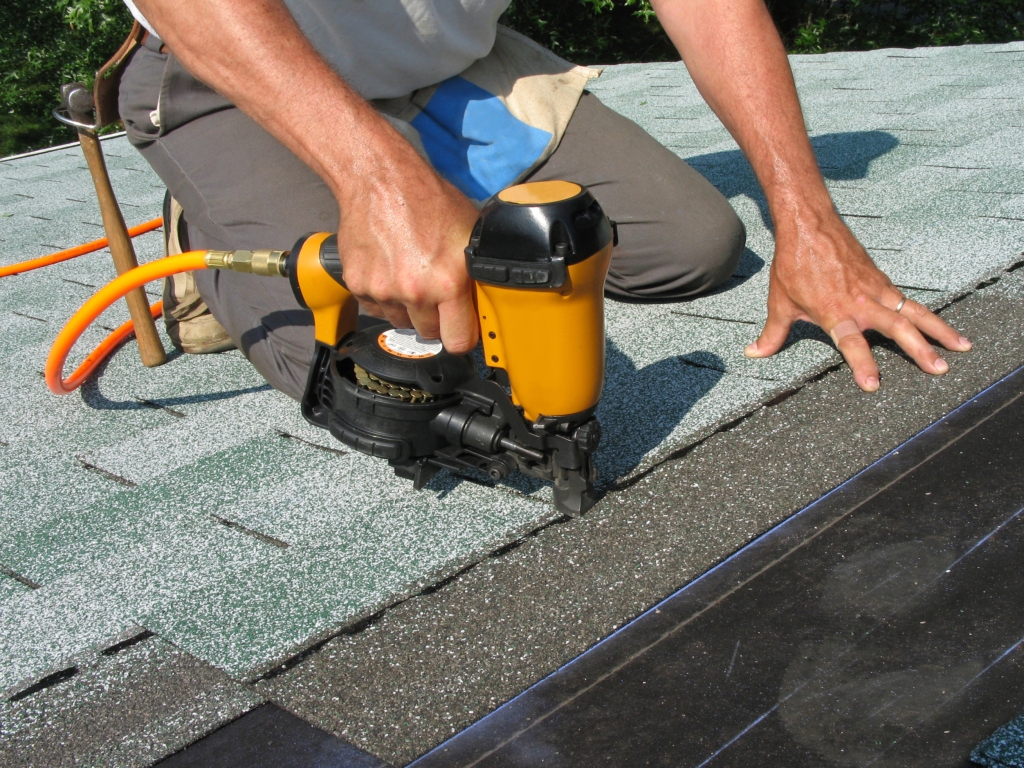
Roofing plays a critical role in protecting homes across Raleigh, NC, where shifting weather patterns, humidity, and seasonal storms place unique demands on residential and commercial roofs. Understanding how roofing systems perform in Raleigh’s climate helps homeowners make informed decisions about materials, maintenance, and long-term durability.
This guide explores roofing from a local, educational perspective, focusing on how environmental factors, structural design, and material selection influence roof lifespan in Raleigh—not sales or promotions, but practical insight grounded in local conditions.
Understanding Raleigh, NC’s Roofing Environment
Raleigh sits in a transitional climate zone, experiencing hot, humid summers, frequent thunderstorms, and mild but wet winters. These conditions accelerate roof aging compared to drier or colder regions.
Key climate factors affecting roofing in Raleigh include:
- High annual rainfall
- Summer UV exposure
- Seasonal wind gusts
- Moisture retention from humidity
- Occasional hail and tropical storm remnants
Because of these variables, roofing in Raleigh requires materials and installation methods suited for moisture resistance, ventilation, and thermal expansion.
How Raleigh Weather Impacts Roofing Systems
Heat and UV Exposure
Prolonged summer heat can cause roofing materials to expand, contract, and deteriorate over time. Asphalt shingles, the most common roofing material in Raleigh, are especially vulnerable to UV breakdown.
Without proper ventilation, trapped heat accelerates aging, reducing roof lifespan by several years.
Rainfall and Moisture
Raleigh averages more than 40 inches of rainfall annually. Roofing systems must manage water efficiently to prevent:
- Shingle delamination
- Underlayment saturation
- Decking rot
- Mold growth in attic spaces
This makes flashing integrity, roof pitch, and drainage design essential components of long-term roofing performance.
Roofing Materials Commonly Used in Raleigh, NC
Asphalt Shingle Roofing
Asphalt shingles dominate Raleigh’s residential roofing landscape due to affordability and versatility. However, not all shingles perform equally in humid climates.
Architectural shingles generally outperform traditional three-tab shingles in Raleigh due to better wind resistance and thickness.
Metal Roofing
Metal roofing systems are gaining popularity across Raleigh neighborhoods. Their reflective properties help reduce heat absorption, while their durability resists moisture-related damage.
Metal roofing often performs exceptionally well during heavy rain and wind events common in central North Carolina.
Composite and Synthetic Roofing
Composite roofing materials mimic slate or wood while offering improved resistance to moisture and UV exposure—making them well-suited for Raleigh’s climate conditions.
Roof Design Considerations for Raleigh Homes
Roof design is just as important as material selection when it comes to performance in Raleigh.
Roof Pitch and Drainage
Steeper roof pitches allow faster water runoff, reducing moisture retention. Homes with low-slope or flat roofs require advanced waterproofing strategies to handle Raleigh’s rainfall.
Ventilation Systems
Proper attic ventilation regulates temperature and moisture levels, extending roof lifespan and improving energy efficiency—both critical in Raleigh’s humid summers.
Flashing and Sealing
Flashing around chimneys, valleys, and roof penetrations must be meticulously installed to prevent water intrusion during storms.
Typical Roofing Lifespan in Raleigh, NC
Roof lifespan varies based on material and maintenance:
- Asphalt shingles: 15–25 years
- Architectural shingles: 25–30 years
- Metal roofing: 40–70 years
- Composite roofing: 30–50 years
Raleigh’s humidity can shorten these timelines if ventilation, drainage, or maintenance is inadequate.
Roofing Maintenance Needs in Raleigh’s Climate
Seasonal maintenance plays a major role in extending roof life.
Spring and Summer
- Inspect for storm damage
- Clear debris from valleys and gutters
- Check for UV-related shingle wear
Fall and Winter
- Remove leaves to prevent moisture buildup
- Inspect flashing before heavy rains
- Ensure ventilation remains unobstructed
Consistent inspections help identify minor issues before they escalate into structural damage.
Common Roofing Issues in Raleigh, NC
Homeowners frequently encounter the following roofing challenges:
- Granule loss from shingles
- Algae and moss growth
- Wind-lifted shingles
- Flashing separation
- Moisture intrusion around vents
These issues are often climate-driven rather than installation-related, reinforcing the need for region-specific roofing knowledge.
Roofing and Energy Efficiency in Raleigh Homes
Roofing directly impacts indoor comfort and energy consumption.
Reflective roofing materials, adequate insulation, and proper ventilation reduce cooling demands during Raleigh’s hot summers. Lighter-colored roofing surfaces also help deflect solar heat.
Energy-efficient roofing design supports long-term savings and indoor air quality improvement.
Roofing Considerations for Remodeling Projects
Roofing is often overlooked during remodeling, yet it plays a vital role in overall structural performance.
During kitchen, bathroom, or home remodeling projects in Raleigh, roof ventilation paths, load distribution, and moisture management should be reassessed—especially when interior layouts change.
Local companies like NC Home Pros often encounter roofing considerations during broader home improvement projects, reinforcing the connection between roofing and interior performance.
Local Building Standards and Roofing in Raleigh, NC
Raleigh follows North Carolina building codes that regulate:
- Wind resistance ratings
- Fire safety standards
- Underlayment requirements
- Ice and water shield placement (in select areas)
Understanding these codes ensures roofing systems meet safety and performance expectations specific to the region.
Roofing Services and System Evaluation
Homeowners researching roofing in Raleigh often benefit from comprehensive system evaluations rather than surface-level inspections. A full assessment considers:
- Attic airflow
- Moisture levels
- Deck integrity
- Structural alignment
- Material compatibility with climate
This approach helps ensure roofing decisions are grounded in long-term performance rather than short-term fixes.
The Role of Roofing in Property Value
Roof condition significantly influences property value in Raleigh’s competitive housing market. A structurally sound, climate-appropriate roof improves:
- Home inspections
- Buyer confidence
- Insurance eligibility
- Energy efficiency ratings
Well-maintained roofing systems often yield strong returns during resale.
Frequently Asked Questions About Roofing in Raleigh, NC
1. How does Raleigh’s climate affect roofing lifespan?
Humidity, heat, and rainfall can accelerate material wear without proper ventilation and drainage.
2. What roofing material performs best in Raleigh?
Architectural shingles, metal roofing, and composite systems perform well when properly installed.
3. Is roof ventilation important in Raleigh homes?
Yes. Ventilation helps manage moisture and heat buildup, extending roof life.
4. How often should roofs be inspected in Raleigh?
At least once per year, plus after major storms.
5. Does rainfall impact roof structure?
Yes. Poor drainage can lead to decking rot and insulation damage.
6. Are algae stains common on Raleigh roofs?
Yes. High humidity encourages algae growth on shaded roof areas.
7. Can roofing affect energy efficiency?
Absolutely. Roofing materials and ventilation significantly impact cooling costs.
8. What roofing issues are most common locally?
Granule loss, moisture intrusion, and flashing failures are frequent.
9. Do Raleigh building codes affect roofing choices?
Yes. Roofing systems must meet local wind and safety standards.
10. Should roofing be evaluated during remodeling?
Yes. Remodeling can affect ventilation, load, and moisture pathways.
Conclusion
Roofing in Raleigh, NC is shaped by climate, design, and material performance rather than one-size-fits-all solutions. Understanding how local weather conditions influence roofing systems empowers homeowners to make informed decisions that protect their property long-term.
From material selection to ventilation strategy, roofing success in Raleigh depends on local knowledge, climate awareness, and proactive maintenance—all essential for preserving structural integrity and home comfort.