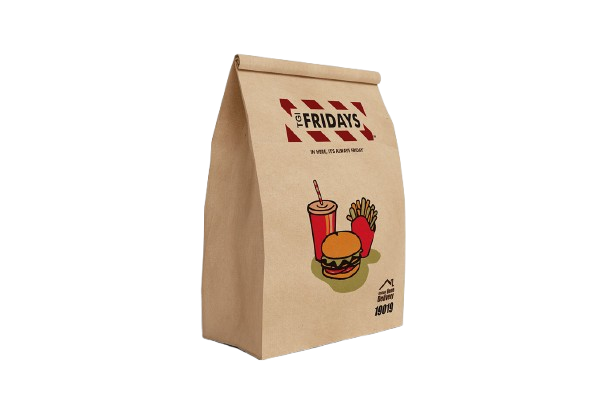
In today’s highly competitive food market, custom food packaging bags are no longer a luxury reserved for large corporations. Small bakeries, artisan snack brands, organic food producers, and large-scale manufacturers alike are recognizing the immense value that purpose-built packaging brings to their business. If you are selling a food product of any kind, the packaging you choose speaks before your product even gets a chance to.
Why Custom Food Packaging Bags Are a Game Changer
Walk into any supermarket and you will immediately notice that the products grabbing your attention are not the ones in plain, generic wrapping. They are the ones in well-designed, high-quality custom food packaging bags that communicate brand identity, freshness, and professionalism at a single glance.
Consumers make purchasing decisions within seconds. That split-second judgment is almost entirely based on packaging. This is why investing in the right custom food packaging bags is one of the smartest decisions a food business can make — regardless of its size or budget.
Beyond aesthetics, custom packaging serves several practical purposes. It protects your product from moisture, oxygen, light, and physical damage. It extends shelf life. It carries important regulatory and nutritional information. And it creates a consistent, recognizable brand presence across every touchpoint.
Types of Custom Food Packaging Bags
Not all food products are the same, and neither are their packaging needs. Here is an overview of the most popular types of custom food packaging bags available today:
Stand-Up Pouches: These are among the most popular formats in the food industry. They sit upright on shelves, offer excellent visibility, and can be fitted with resealable zippers for added convenience. They are widely used for snacks, dried fruits, coffee, pet treats, and more.
Flat Bottom Bags: A newer and increasingly popular style, flat bottom bags offer a premium, structured look. They stand firmly on shelves and are ideal for coffee, tea, flour, and specialty food products.
Side Gusset Bags: These bags expand at the sides to accommodate bulk items. They are commonly used for coffee beans, rice, grains, and similar products.
Pillow Bags: Simple and cost-effective, pillow bags are used for everything from chips to candy. They can be fully customized with high-quality print and branding.
Quad Seal Bags: With four sealed panels, these bags offer a box-like structure that is excellent for premium positioning and retail shelf presence.
Regardless of the format, all of these can be produced as fully personalized custom food packaging bags that reflect your brand identity.
The Role of Custom Printed Bags in Brand Building
Printing is where packaging transforms from a functional container into a powerful marketing asset. Custom printed bags allow you to communicate your brand story, values, and personality directly to the consumer through color, typography, imagery, and text.
A well-printed bag does several things simultaneously. It builds instant brand recognition. It conveys quality and professionalism. It differentiates your product on a crowded shelf. And it creates an emotional connection with the buyer — which is ultimately what drives repeat purchases and brand loyalty.
Modern printing technologies such as digital printing, rotogravure, and flexographic printing allow for stunning, full-color designs on virtually any bag material. Whether you want a clean, minimalist look or a bold, eye-catching design, custom printed bags give you complete creative control over how your product is presented to the world.
Why Bespoke Packaging Is Worth the Investment
For brands that truly want to stand out, bespoke packaging offers the highest level of customization available. Unlike standard custom options, bespoke packaging is engineered entirely from scratch around the specific needs of your product and brand.
This means custom dimensions, custom materials, custom barrier properties, and custom structural features — all designed to work together perfectly. Bespoke packaging might include a unique resealable mechanism, a special window to showcase the product inside, a specific matte or gloss finish, or even compostable materials chosen to align with your brand’s sustainability values.
For premium food brands, bespoke packaging is not just about looking good. It is about delivering a complete brand experience from the moment the customer picks up the product to the moment they open it.
Materials Used in Custom Food Packaging Bags
The choice of material is one of the most critical decisions when designing custom food packaging bags. The right material ensures your product stays fresh, safe, and visually appealing throughout its shelf life.
Common materials include:
- Kraft Paper: Eco-friendly and popular for organic or artisan brands. Available in natural brown or white, and highly printable.
- Laminated Film: Provides excellent barrier properties against moisture and oxygen. Widely used for snacks, coffee, and frozen foods.
- Foil Lined Bags: Ideal for products that require strong protection from light and air, such as coffee and tea.
- Biodegradable and Compostable Materials: Increasingly in demand as brands and consumers become more environmentally conscious.
- Clear or Transparent Films: Allow the product to be visible, which is particularly effective for visually appealing foods like colorful candies or premium nuts.
When selecting materials for your custom food packaging bags, always ensure they meet food safety and regulatory standards in your market.
What to Look for in a Packaging Supplier
Choosing the right supplier for your custom food packaging bags is just as important as the design itself. Here are the key factors to evaluate:
Experience and Specialization: Look for a supplier with proven experience in food-grade packaging. They should understand barrier requirements, food safety compliance, and printing standards.
Minimum Order Quantities: Some suppliers require very high minimum orders, which may not suit smaller brands. Find a supplier whose MOQs align with your production volumes.
Sample Availability: Always request physical samples before committing to a full production run. This allows you to assess print quality, material feel, and structural integrity.
Turnaround Time: Understand lead times clearly, especially if you have seasonal products or time-sensitive launches.
Sustainability Options: If environmental responsibility is part of your brand values, choose a supplier who offers recyclable, compostable, or reduced-plastic packaging options.
Tips for Designing Effective Custom Food Packaging Bags
Great food packaging bags do not happen by accident. Here are some practical design tips to keep in mind:
Keep it clear and readable: Your product name, key benefits, and brand identity should be immediately legible. Avoid cluttering the design with too much text or too many elements.
Use color strategically: Color psychology plays a significant role in food packaging. Greens and earth tones suggest natural and organic. Bold reds and yellows suggest energy and excitement. Choose colors that align with your brand personality.
Prioritize front panel impact: The front of your bag has the most real estate for brand communication. Make it count with a strong focal point — a logo, product image, or key benefit statement.
Include all required information: Ingredients, allergen warnings, nutritional information, weight, and expiry details are not optional. Make sure they are present, accurate, and legible.
Think about the unboxing experience: Even for everyday food products, how a bag opens, reseals, and feels in the hand contributes to the overall customer experience.
The Business Case for Investing in Quality Packaging
Some food businesses hesitate to invest in high-quality custom food packaging bags because of the perceived cost. However, the return on investment is clear when you consider the full picture.
Better packaging leads to stronger shelf presence, which increases sales velocity. It reduces product damage and waste, which protects margins. It builds brand recognition and loyalty, which drives repeat purchases. And it positions your brand at a higher price point, which improves profitability.
In short, the cost of quality custom food packaging bags is an investment in your brand’s long-term growth — not just an operational expense.
Final Thoughts
The food industry is evolving rapidly, and packaging is evolving with it. Today’s consumers expect more — more quality, more transparency, more sustainability, and more personality from the brands they choose. Meeting those expectations starts with custom food packaging bags that are thoughtfully designed, well-made, and aligned with your brand values.
Whether you are launching a new product or refreshing an existing line, now is the time to take your packaging seriously. Because in a world full of choices, the brands that win are the ones that make the right impression — and great packaging is where that impression begins.