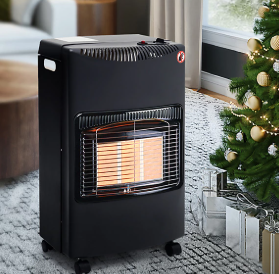
Gas heaters are widely used during the winter season to keep homes warm and comfortable. Among the popular heating options, the superser gas heater is commonly used because of its efficiency, affordability, and ability to heat rooms quickly. However, like any gas appliance, using a gas heater requires proper care and attention to safety.
Many accidents related to gas heaters occur due to improper installation, poor ventilation, or lack of regular maintenance. Understanding basic safety practices can help prevent gas leaks, carbon monoxide poisoning, and fire hazards. This article explains essential Super Ser gas heater safety tips every user should know to ensure safe and efficient use.
Understanding How a Super Ser Gas Heater Works
Before discussing safety tips, it is important to understand how a Super Ser gas heater functions. A gas heater typically operates using natural gas or LPG (liquefied petroleum gas). The gas flows through a regulator and pipe into the heater, where it burns to produce heat.
The heat is then distributed into the room through the heater’s metal body or heating panels. Since gas combustion produces heat as well as gases such as carbon monoxide, proper ventilation and correct usage are essential for safe operation.
If a heater is not used properly, it can cause serious risks including gas leakage, breathing problems, or even fire accidents.
Ensure Proper Ventilation in the Room
One of the most important safety rules when using a Super Ser gas heater is maintaining proper ventilation. Gas heaters consume oxygen while burning fuel and release gases into the room.
If the room is completely closed, oxygen levels can decrease while harmful gases accumulate. This can lead to dizziness, breathing difficulty, or carbon monoxide poisoning.
To maintain proper airflow:
- Keep at least one window slightly open while the heater is running
- Avoid using the heater in extremely small or airtight rooms
- Never use the heater in bathrooms or enclosed spaces without ventilation
Good airflow helps maintain oxygen levels and reduces the risk of harmful gas buildup.
Install the Heater Correctly
Proper installation plays a major role in the safe use of a Super Ser gas heater. Many accidents happen because heaters are installed incorrectly or connected with poor-quality pipes and regulators.
When installing a heater:
- Always use a certified gas regulator
- Ensure gas pipes are tightly connected and leak-free
- Place the heater on a stable and flat surface
- Keep the heater at a safe distance from walls and furniture
If possible, installation should be done by a professional technician who understands gas appliance safety standards.
Check for Gas Leaks Regularly
Gas leaks are one of the biggest dangers when using any gas heater. Even a small leak can cause fire hazards or serious health issues.
You should regularly check the gas pipe and connections for leaks. One simple method is using soapy water. Apply the soap solution to the gas pipe joints and turn on the gas supply. If bubbles appear, there is a leak.
Important precautions include:
- Replace damaged pipes immediately
- Never ignore the smell of gas
- Turn off the gas supply if a leak is suspected
- Contact a professional technician for repairs
Regular inspection helps identify problems early and prevents accidents.
Keep Flammable Items Away
Gas heaters produce high temperatures that can ignite nearby objects. Keeping flammable materials close to the heater can easily cause a fire.
Avoid placing the heater near:
- Curtains
- Paper or cardboard
- Wooden furniture
- Clothes or blankets
A safe distance of at least 3 feet should be maintained between the heater and any flammable materials. This simple precaution significantly reduces fire risk.
Never Leave the Heater Unattended
Another common mistake is leaving the gas heater running without supervision. If the heater malfunctions, tips over, or develops a gas leak, it can create dangerous situations.
Always follow these rules:
- Turn off the heater when leaving the room
- Do not run the heater overnight while sleeping
- Switch off the gas supply when the heater is not in use
Responsible usage ensures safety for everyone in the household.
Keep the Heater Away from Children and Pets
Children and pets are naturally curious and may accidentally touch or knock over the heater. The outer surface of the heater becomes very hot during operation, which can cause burns.
To prevent accidents:
- Place the heater in a location that children cannot reach
- Use protective barriers if necessary
- Educate children about heater safety
Keeping the heater stable and out of reach reduces the chances of injuries.
Clean and Maintain the Heater Regularly
Like any appliance, a Super Ser gas heater requires regular cleaning and maintenance. Dust accumulation in the burner or vents can affect the heater’s performance and increase safety risks.
Maintenance tips include:
- Clean heater vents regularly
- Remove dust from burners
- Inspect gas connections periodically
- Schedule professional servicing once a year
Proper maintenance improves heater efficiency and extends its lifespan while ensuring safe operation.
Use Only Recommended Gas Cylinders
Using low-quality or damaged gas cylinders can lead to serious safety problems. Always use approved LPG cylinders that meet safety standards.
Make sure that:
- Cylinders are stored upright
- The cylinder valve is tightly closed when not in use
- The cylinder is kept away from heat sources
Never place the gas cylinder too close to the heater, as excessive heat can increase pressure inside the cylinder.
Turn Off the Gas Supply After Use
One important habit every user should develop is turning off the gas supply after using the heater. Many people only turn off the heater switch but leave the gas valve open.
Closing the gas valve ensures that gas does not accidentally leak into the room. It is a simple but effective safety practice that reduces risk.
Always remember to:
- Turn off the heater first
- Close the gas regulator valve
- Check that the flame is completely extinguished
These small steps can prevent major accidents.
Recognize the Signs of Carbon Monoxide Exposure
Carbon monoxide is a colorless and odorless gas that can be extremely dangerous. It is produced when gas does not burn completely.
Symptoms of carbon monoxide exposure include:
- Headache
- Dizziness
- Nausea
- Shortness of breath
- Confusion
If anyone in the room experiences these symptoms while the heater is running, immediately turn off the heater, open windows for ventilation, and move to fresh air.
Installing a carbon monoxide detector can also provide an additional layer of safety.
Avoid Using the Heater for Cooking or Drying Clothes
Some people misuse gas heaters for purposes other than heating, such as drying clothes or warming food. This practice is unsafe and can lead to fire hazards.
Placing wet clothes over the heater blocks airflow and may cause overheating. Similarly, cooking on a heater can damage its internal components.
Gas heaters should only be used for their intended purpose, which is heating indoor spaces.
Store the Heater Safely During Off-Season
When winter ends, many people store their gas heaters without proper preparation. Before storing the heater:
- Turn off and disconnect the gas supply
- Clean the heater thoroughly
- Store it in a dry and dust-free location
Covering the heater helps prevent dust accumulation and keeps it in good condition for the next winter season.
Educate Household Members About Heater Safety
Everyone in the household should know basic gas heater safety rules. Many accidents occur because people are unaware of the risks associated with gas appliances.
Important things to teach family members include:
- How to turn off the gas supply
- What to do if they smell gas
- Basic fire safety precautions
Awareness and preparedness can prevent dangerous situations.
Conclusion
A superser gas heater is an efficient and convenient way to keep your home warm during cold weather. However, safe usage is essential to avoid potential hazards such as gas leaks, fires, and carbon monoxide poisoning.
Following simple precautions such as proper ventilation, regular maintenance, correct installation, and careful supervision can significantly reduce safety risks. Keeping flammable materials away, checking for gas leaks, and turning off the gas supply after use are small habits that make a big difference.
By understanding and applying these safety tips, users can enjoy the warmth and comfort of their gas heater while ensuring the safety of their home and family. Responsible use and regular inspection will help keep the heater working efficiently for many winters to come.