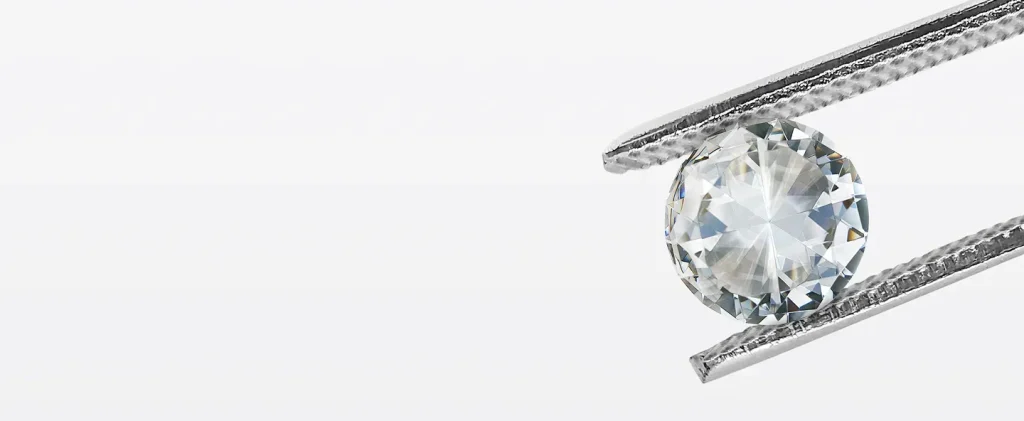
Diamonds are one of the most sought-after gemstones in the world, admired for their sparkle, durability, and symbolism of eternal love. For anyone exploring the world of diamonds, terms like 4 carat diamond ring, diamond rating chart, clarity scale for diamonds, and diamond buying guide often come into play. To make an informed decision, it’s important to understand the essential details such as the 4 Cs of diamonds, different diamond shapes, and how clarity and color impact value. This guide explores these elements step by step.
The Allure of a 4 Carat Diamond Ring
A 4 carat diamond ring is an extraordinary statement of elegance. Larger than most commonly worn stones, it offers unmatched presence and brilliance. The 4 carat diamond price, however, is not fixed. Factors such as cut, color, and clarity all contribute to cost variations. For instance, a 4 carat diamond with flawless clarity and D color will be significantly more expensive than one with visible inclusions and lower color grading.
To visualize its size, a diamond carat size chart is useful. On average, a 4 carat round diamond measures around 10.2mm in diameter. But depending on cut and shape, it can appear slightly bigger or smaller. For example, elongated shapes such as oval or pear may seem larger when worn, even though they weigh the same.
Understanding the Diamond Rating Chart
The diamond rating chart is an essential reference tool. It shows the grading systems used to evaluate diamonds, primarily in terms of color and clarity. This chart helps buyers understand the differences between grades and how they impact both beauty and price.
On the clarity diamond scale, a Flawless (FL) stone is at the top, while Included (I1–I3) represents diamonds with noticeable inclusions. On the color grading side, a diamond color guide ranges from D, which is completely colorless, to Z, which has visible yellow or brown tones. Together, these charts simplify what might otherwise feel like a complex evaluation process.
The 4 Cs of Diamonds
The 4 Cs of diamonds—cut, color, clarity, and carat weight—form the foundation of diamond quality assessment. Each factor influences how beautiful and valuable the diamond is.
- Cut: Determines how well the diamond reflects light. An excellent cut maximizes brilliance, while a poor cut can make even a large diamond appear dull.
- Color: Graded on a scale from D to Z, with D representing a pure, colorless stone. The diamond color guide helps buyers match preference with affordability.
- Clarity: Describes the presence of imperfections. The clarity scale for diamonds ranges from flawless to included, and the diamond chart clarity helps visualize these differences.
- Carat weight: Refers to the actual weight of the stone. A 4 carat diamond is impressive, but the way it is cut determines how large it appears.
The diamond 4 C chart is a handy way to evaluate all these factors together, making it easier to compare stones side by side.
Diamond Carat Sizes and the Carat Size Chart
Carat weight is often the first thing buyers notice, but it is only one part of the bigger picture. A diamond carat size chart shows how stones grow in physical dimensions as carat weight increases. For example, a 1 carat diamond averages 6.5mm, while a 4 carat diamond averages more than 10mm.
However, carat size should not be considered in isolation. Two diamonds of the same carat weight may look different in size depending on the cut and shape. A shallow cut can make the stone appear larger, but it may sacrifice brilliance. That’s why the diamond buying guide emphasizes balance.
Clarity Diamond Scale and Diamond Chart Clarity
The clarity diamond scale is crucial for understanding the purity of a stone. Diamonds form naturally deep within the earth, often resulting in internal inclusions and external blemishes.
The scale includes:
- Flawless (FL)
- Internally Flawless (IF)
- Very Very Slightly Included (VVS1, VVS2)
- Very Slightly Included (VS1, VS2)
- Slightly Included (SI1, SI2)
- Included (I1, I2, I3)
A diamond chart clarity visual helps buyers see how these inclusions appear under magnification. While flawless stones are rare, many buyers find that VS or SI clarity diamonds still appear clean to the naked eye and offer better value.
Different Diamond Shapes
Shape adds another layer of individuality to diamonds. Round brilliant cuts are the most popular due to their unmatched sparkle, but other shapes offer unique styles:
- Oval cut elongates the finger and appears larger than round stones.
- Princess cut is modern and sharp with its square silhouette.
- Cushion cut blends a vintage feel with soft edges.
- Emerald cut highlights clarity with large, open facets.
- Pear cut combines elegance with a distinctive teardrop shape.
- Heart-shaped diamonds symbolize romance and are chosen for sentimental reasons.
Understanding different diamond shapes helps buyers match the stone to personal taste and lifestyle. The diamond buying guide often advises considering both aesthetics and practicality, as some shapes show inclusions or color more easily than others.
Diamond Color Guide
The diamond color guide is one of the most influential tools in the buying process. Diamonds are graded on a scale from D (colorless) to Z (light yellow or brown). Completely colorless diamonds are the rarest and most valuable. However, near-colorless diamonds in the G to I range often look just as beautiful once set in jewelry, particularly in white gold or platinum.
Some shapes, such as oval, pear, and cushion, may show more color than round cuts. Buyers should take this into account when evaluating stones. Choosing the right balance between color grade and budget is essential for satisfaction.
Diamond Buying Guide
A comprehensive diamond buying guide goes beyond charts and grades. It emphasizes prioritizing what matters most to the buyer. Some may value size above all else, leading them to focus on carat weight. Others may seek a perfectly colorless stone or flawless clarity.
Key tips include:
- Decide on a budget before shopping.
- Review the diamond 4 C chart to understand trade-offs.
- Use a diamond carat size chart to visualize size expectations.
- Check the diamond rating chart to compare clarity and color grades.
- Consider different diamond shapes to maximize visual size or style preference.
- Prioritize cut, since it has the greatest effect on sparkle.
By following this process, buyers can find a diamond that feels both beautiful and valuable for their needs.
Diamond Cuts and Shapes in Detail
The artistry of diamond cutting influences not only brilliance but also overall style. The round brilliant cut is designed for maximum light return, while emerald and Asscher cuts create elegant flashes of light. Step cuts, such as emerald, showcase clarity but can highlight imperfections, making clarity grade more important. Brilliant cuts, like round and oval, conceal inclusions more effectively, offering flexibility in clarity selection.
Diamond cuts and shapes are also linked to personal expression. A 4 carat diamond ring in a round cut exudes classic elegance, while the same size in an emerald cut may reflect sophistication and understated beauty.
The Importance of the Diamond 4 C Chart
The diamond 4 C chart brings clarity to the buying process by allowing direct comparisons. For example, a buyer may find that a 4 carat diamond price varies widely based on differences in clarity and color. A D color VVS diamond will cost significantly more than a J color SI diamond of the same weight, but both may appear equally stunning to the naked eye depending on cut and setting.
The chart ensures buyers recognize how adjustments in one area can balance another. This flexibility allows each person to find the perfect stone within their price range.
Conclusion
Diamonds are more than just gemstones—they are symbols of love, milestones, and personal expression. A 4 carat diamond ring represents a significant investment, making knowledge of the diamond rating chart, clarity scale for diamonds, diamond color guide, and diamond carat size chart essential. The 4 Cs of diamonds—cut, color, clarity, and carat—remain the foundation of every buying decision, while the diamond 4 C chart ties these aspects together for easy comparison.
By understanding different diamond shapes, exploring the diamond chart clarity system, and following a thoughtful diamond buying guide, buyers can select a stone that perfectly suits their style, budget, and sentiment. The brilliance of a diamond may begin with its natural formation, but its true beauty is revealed when chosen with knowledge and care.