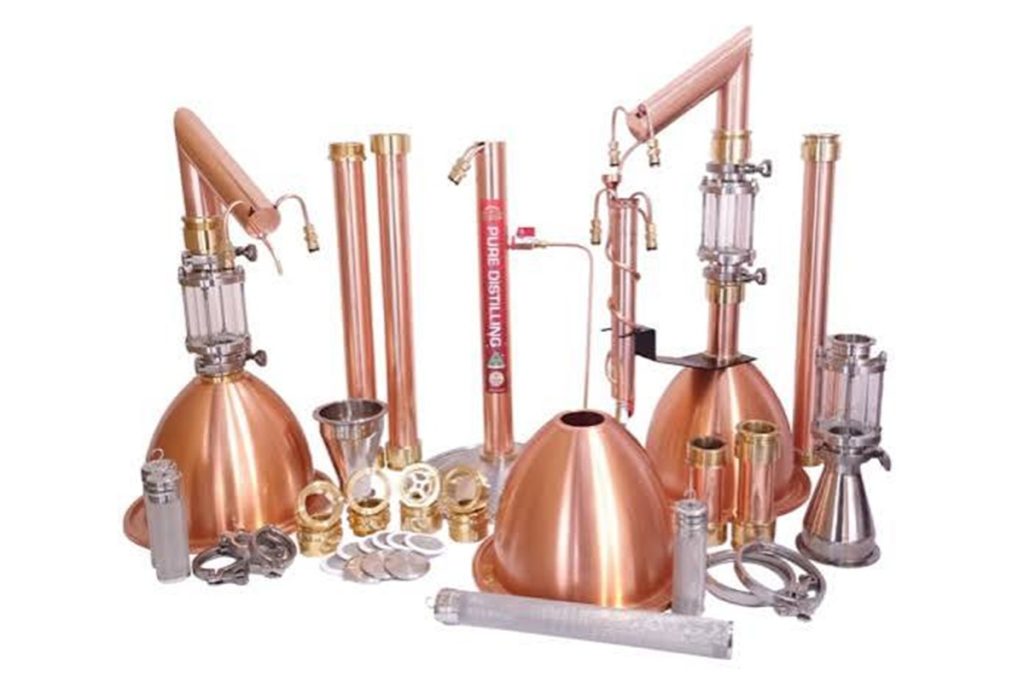
We will walk you through everything you need to know about pure distilling equipment and accessories. From choosing the right still to setting up your workspace safely, we’ve got you covered. You’ll learn about the different types of stills available, essential accessories that make a real difference, and how to maintain your gear for years of reliable use. Plus, we’ll touch on the legal side of things here in Australia, so you can enjoy your hobby with complete peace of mind.
Understanding Pure Distilling Equipment Basics
So, what exactly is pure distilling equipment, and how does it work? At its core, distillation is a simple process. You heat a liquid mixture, capture the vapours that rise, and then cool them back into liquid form. The magic happens because different compounds evaporate at different temperatures, allowing you to separate alcohol from water and other elements.
Every home distiller needs a few key components to get started. First, you’ll need a still the heart of your operation. Then there’s the fermenter, where your wash develops before distillation. Hydrometers help you measure alcohol content, while carbon filters clean up your final product. Don’t forget about collection vessels and storage containers, either.
Copper vs Stainless Steel: Which Is Better for Pure Distilling?
This debate has been running for centuries, and both materials have their merits. Copper reacts with sulphur compounds in your wash, removing unwanted flavours and producing a cleaner spirit. It’s the traditional choice and looks absolutely stunning. Stainless steel, on the other hand, is incredibly durable, easy to clean, and won’t corrode over time. Many modern distillers opt for a combination stainless steel bodies with copper elements where it counts.
Types of Stills for Home Pure Distilling
Choosing the right still depends on what you want to produce. Pot stills are the traditional workhorses of spirit-making. They’re brilliant for producing whisky, rum, and brandy, where you want rich, complex flavours. The design is straightforward, making them perfect for those who appreciate craftsmanship.
Reflux stills take things further by achieving higher purity levels. They’re ideal for vodka and neutral spirits, where clean, pure alcohol is the goal. The reflux column allows vapours to condense and redistil multiple times before collection.
Air stills offer a compact solution for beginners. They’re essentially plug-and-play devices that require minimal setup. While they produce smaller quantities, they’re a fantastic way to learn the basics without a massive investment.
What Size Still Do I Need for Home Use?
For most home distillers, a still between 25 and 50 litres hits the sweet spot. Smaller units are easier to manage and heat quickly, while larger ones produce more per run but require more space and energy. Consider how often you plan to distil and how much storage you have before deciding.
Essential Pure Distilling Accessories
Your still is just the beginning. Fermenters and fermentation equipment are where your journey truly starts. Quality fermenters with airlocks and temperature control make a massive difference to your wash quality. Look for food-grade plastic or stainless steel options with clear volume markings.
Hydrometers and alcometers are your measuring tools. A hydrometer tells you when fermentation is complete, while an alcometer measures the alcohol content of your distillate. Both are inexpensive but invaluable.
Carbon filters and purification systems remove impurities and smooth out your spirit. Activated carbon is particularly effective at removing unwanted congeners that can cause off-flavours and harsh finishes.
Is a Parrot Spout Worth the Investment?
Absolutely. A parrot spout allows you to monitor alcohol content in real-time as your distillate flows. This makes it much easier to make accurate cuts between heads, hearts, and tails the key to producing quality spirits consistently.
Setting Up Your Home Pure Distilling Station
Creating the right workspace matters more than you might think. You’ll need adequate space for your still, fermentation equipment, and storage. Good ventilation is non-negotiable, as distillation produces heat and fumes that need to escape safely.
Water supply and temperature control are equally important. Most stills require cooling water, so access to a tap or water reservoir is essential. Temperature controllers help you maintain consistent heat, which improves both safety and product quality.
Safety equipment shouldn’t be optional. Fire extinguishers, heat-resistant gloves, and proper lighting all contribute to a safer pure distilling environment. Remember, you’re working with flammable substances and heat sources, so taking precautions is just common sense.
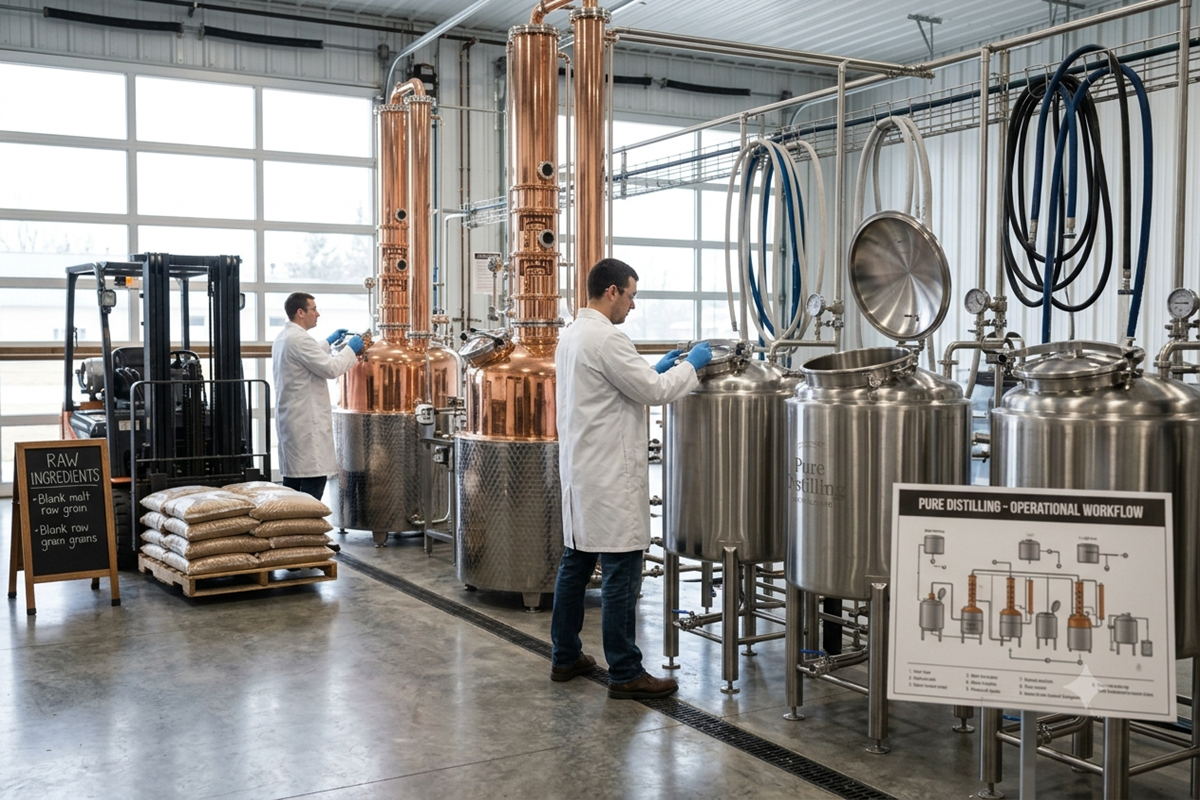
Best Pure Distilling Equipment for Beginners
Starting out doesn’t mean breaking the bank. Budget-friendly starter kits are widely available across Australia, typically including a basic still, fermenter, and essential accessories. These kits offer everything you need to produce your first batch without overwhelming you with complexity.
What equipment do you actually need to start pure distilling at home? At minimum, you’ll want a still, a fermenter with airlock, a hydrometer, cleaning supplies, and collection vessels. As you gain experience, you can add carbon filters, temperature controllers, and upgraded stills to your setup.
Common beginner mistakes include rushing fermentation, not making proper cuts, and neglecting equipment cleaning. Take your time learning the process, and don’t be afraid to ask questions in online forums or local distilling groups.
Maintaining Your Pure Distilling Equipment
Proper cleaning and sanitisation extend the life of your equipment and improve your results. After each use, thoroughly rinse all components with hot water. For deeper cleaning, use appropriate solutions designed for brewing and distilling equipment.
How often should you replace pure distilling equipment parts? Gaskets and seals might need replacing annually, while copper components may last years with proper care. Inspect your equipment regularly for signs of wear, corrosion, or damage.
Troubleshooting common issues often comes down to temperature control and cleanliness. If your spirits taste off, check your cleaning routine first. Temperature fluctuations can also cause inconsistent results, so invest in good monitoring equipment.
Legal Considerations for Home Pure Distilling in Australia
Here’s the important bit. Is it legal to distil alcohol at home in Australia? Yes, but with conditions. You can legally own and operate a still for producing essential oils, water purification, or fuel alcohol. However, pure distilling alcohol for consumption requires an excise manufacturer’s licence from the Australian Taxation Office. Without this licence, producing drinkable spirits is illegal, regardless of whether you sell them or keep them for personal use.
The regulations exist primarily for taxation and safety reasons. If you’re serious about home distilling for consumption, look into the licensing requirements and ensure you’re operating within the law.
Where to Buy Pure Distilling Equipment in 2026
Finding trusted suppliers is easier than ever. Look for Australian-based retailers with solid reputations, good customer reviews, and knowledgeable support teams. Quality equipment might cost more upfront but pays off in longevity and better results.
Online shopping offers convenience and often better pricing, while in-store purchases let you inspect equipment and get hands-on advice. Many distillers use a combination researching online before buying locally, or vice versa.
Building Your Perfect Pure Distilling Setup
So there you have it everything you need to know about pure distilling equipment and accessories in 2026. From understanding the basics to selecting the right still, setting up your workspace, and staying on the right side of the law, you’re now equipped with the knowledge to make informed decisions.
The key takeaway? Quality equipment matters, but it’s your understanding of the process that truly makes the difference. Start with solid basics, learn from each batch, and gradually upgrade your setup as your skills improve. The home distilling community in Australia is welcoming and helpful, so don’t hesitate to connect with fellow enthusiasts.