The small appliance industry is not what it used to be a decade ago. Consumers have changed their habits, technology has lowered barriers, and the way people discover and buy products has completely flipped. For brands big and small, keeping up feels like trying to drink from a fire hose. But within this chaos lies opportunity, and SOKANY has shown a surprising ability to ride the waves rather than fight them. From the rise of direct-to-consumer selling to the demand for sustainable manufacturing, several major trends are reshaping who wins and who fades away. Understanding these shifts helps explain why SOKANY continues to grow while some legacy names struggle to stay relevant.
The Explosion of Direct-to-Consumer and Private Label Selling
Ten years ago, launching a small appliance brands meant convincing department stores to stock your products. Today, an entrepreneur can build an entire business using Shopify, Amazon, and social media ads. This shift toward direct-to-consumer selling has dramatically increased demand for flexible manufacturers who will work with smaller, newer brands. SOKANY has adapted by positioning themselves as the go-to supplier for this exact crowd. They do not require years of trading history or massive financial guarantees. Instead, they offer low minimums, quick sampling, and responsive communication that fits the fast pace of online selling. While traditional manufacturers still chase large retail contracts, SOKANY quietly serves the thousands of micro-brands popping up every month. Their website, sales language, and even sample policies all reflect an understanding that their customer is likely running a lean operation from a home office, not a corporate purchasing department.
Growing Consumer Demand for Aesthetic and Colorful Designs
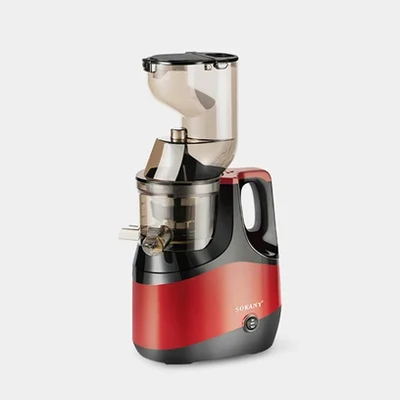
Gone are the days when small appliances had to look like boring white or black boxes sitting on a counter. Modern consumers, especially younger ones, treat kitchen gadgets as decor. They want cream-colored toasters that match their coffee station, sage green blenders that complement their backsplash, and matte black air fryers that look sleek on Instagram. SOKANY has responded by dramatically expanding their color and finish options over the past few years. Their catalog now includes pastel pinks, mint greens, warm beiges, and even retro-inspired designs with chrome accents. More importantly, they have streamlined their customization process so that ordering five hundred units in a non-standard color does not require weeks of negotiation. For small brands trying to build a distinctive visual identity, this adaptability is gold. You are no longer limited to whatever colors the factory had leftover from last season.
Sustainability as a Competitive Requirement
Consumers are increasingly checking the environmental credentials of the products they buy. While SOKANY is not a green pioneer, they have begun adapting to this pressure in practical ways. They now offer some products with energy-efficient motors that consume less electricity during use. Their packaging has shifted away from excessive foam and plastic toward recyclable cardboard and paper inserts. On the factory floor, they have implemented basic waste reduction measures like recycling scrap plastic from molding machines. Are these changes radical? No. But they show an awareness that sustainability is becoming a baseline expectation, not a niche concern. For small brands using SOKANY as their OEM partner, this matters because you can credibly claim that your products meet reasonable environmental standards. You are not stuck explaining why your packaging contains three layers of non-recyclable plastic. SOKANY is moving in the right direction, even if slowly.
The Rise of Multi-Functional and Space-Saving Appliances
Urban living spaces are shrinking, and consumers no longer want a separate device for every single kitchen task. The trend toward multi-functional appliances—think air fryer that also roasts, bakes, and dehydrates—has exploded. SOKANY has adapted by developing combo products that pack more functionality into a single footprint. Their catalog now includes food processors with interchangeable blades for slicing, shredding, and kneading. They offer hand blenders that come with whisk and chopper attachments in the same box. These designs are not revolutionary, but they match what mid-tier consumers actually want: good enough performance with convenient storage. For small brands, offering multi-functional products allows you to compete on value rather than just price. You can market a single device that replaces three bulky gadgets, which appeals directly to apartment dwellers and tiny home owners.
Shorter Product Life Cycles and Faster Trend Turnover
Social media has accelerated how quickly product trends appear and disappear. A specific style of personal blender might go viral on TikTok in January and feel outdated by June. Traditional manufacturers with eighteen-month development cycles cannot keep up. SOKANY’s leaner operation allows them to turn around new designs in a matter of weeks rather than months. They maintain a library of existing molds that can be combined in new ways, and they are willing to make small cosmetic changes without lengthy approval processes. This speed means that when a new trend emerges—say, transparent appliances or retro pastels—SOKANY can have samples ready while the trend is still peaking. For small brands trying to capture viral moments, having a supplier who moves quickly is the difference between riding the wave and missing it entirely.
Increased Focus on E-Commerce Ready Packaging
Selling on Amazon or through your own website places unique demands on packaging that traditional retail never required. Products need to survive individual shipping without damage. Boxes need to be sized efficiently to reduce dimensional weight fees. Instructions should be clear without assuming a salesperson will explain things. SOKANY has adapted by offering e-commerce optimized packaging options. They can produce smaller, sturdier boxes that fit within courier size limits. They offer poly mailers for lightweight items. They will print QR codes on boxes that link to video assembly guides. These might seem like small details, but for an online seller, packaging that arrives intact and looks professional reduces returns and negative reviews. SOKANY learned this by listening to their private label customers who were losing money on damaged shipments and oversized boxes. Now they treat e-commerce readiness as a standard feature, not a premium upgrade.