If you’ve ever wondered how your favorite brand suddenly appeared in your social media feed right when you were thinking about their product, or how certain businesses consistently rank at the top of Google searches, you’ve witnessed digital marketing in action. But what exactly does a digital marketer do all day? The answer might surprise you; it’s far more diverse and creative than most people realize.
Digital marketing has evolved from a niche specialization into one of the most critical business functions. Yet many business owners and aspiring professionals still aren’t quite sure what the role entails. Let’s pull back the curtain and explore what digital marketers actually do, how they drive business growth, and why their work matters more than ever in today’s connected world.
The Digital Marketer: Jack of All Trades, Master of Many
Here’s the truth: there’s no single definition of what a digital marketer does because the role encompasses so many different responsibilities. Some digital marketers specialize deeply in one area, while others maintain expertise across multiple channels. What unites them is a common goal connecting businesses with their target audiences through digital channels in ways that drive measurable results.
Think of a digital marketer as part strategist, part creator, part analyst, and part technologist. On any given day, they might be writing compelling ad copy, analyzing campaign performance data, strategizing content calendars, optimizing website pages, or collaborating with designers and developers. The variety keeps things interesting, but it also demands continuous learning and adaptation.
The Strategic Foundation: Planning and Research
Before any campaign launches or content goes live, digital marketers invest significant time in strategic planning and research. This foundational work separates effective marketing from random activity that wastes budget without delivering results.
Digital marketers dive deep into understanding target audiences, not just basic demographics, but behavioral patterns, pain points, preferences, and decision-making processes. They conduct competitor analysis to identify what’s working in their industry and where opportunities exist. They research keywords, trends, and market conditions that inform strategic decisions.
This research phase also involves setting clear objectives and key performance indicators. Rather than vague goals like “increase brand awareness,” digital marketers establish specific, measurable targets: increase organic website traffic by 40% over six months, generate 200 qualified leads per month, or achieve a 3:1 return on ad spend.
Search Engine Optimization: The Long Game
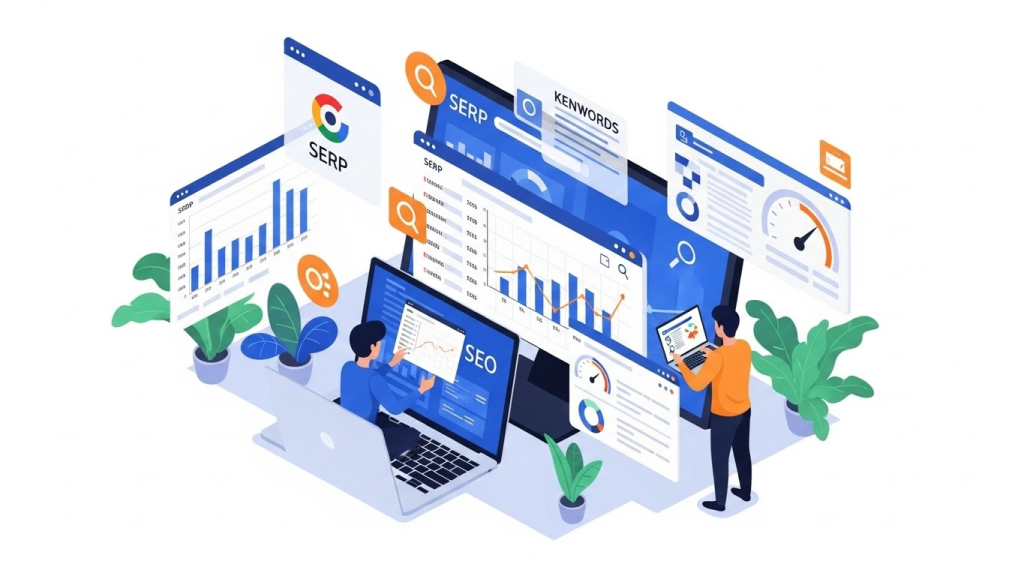
SEO represents one of the most valuable yet misunderstood aspects of digital marketing. Digital marketers working in SEO focus on improving website visibility in organic search results, the unpaid listings that appear when someone searches Google, Bing, or other search engines.
This involves technical work like optimizing site speed, ensuring mobile responsiveness, and fixing crawl errors. It includes on-page optimization, crafting compelling title tags, meta descriptions, and heading structures while naturally incorporating relevant keywords. And it extends to content creation that genuinely helps users while signaling expertise to search algorithms.
The challenge with SEO is that it’s a marathon, not a sprint. Results take months to materialize, requiring patience and consistent effort. But the payoff is enormous businesses that rank prominently for valuable search terms enjoy steady streams of targeted traffic without paying for each click.
Many digital marketers work closely with web development services in UAE or similar providers to ensure technical implementations support SEO objectives. Search engines reward fast, well-structured websites with clean code, which often requires developer expertise beyond typical marketing skills.
Social Media Marketing: Building Communities and Conversations
Social media marketing goes far beyond posting content and hoping for engagement. Digital marketers approach social platforms strategically, understanding that each platform serves different purposes and attracts distinct audiences.
On Instagram, they might focus on visual storytelling and influencer partnerships. LinkedIn becomes the channel for B2B relationship building and thought leadership. TikTok offers opportunities for creative, entertaining content that reaches younger demographics. Facebook remains valuable for targeted advertising and community building.
Effective social media marketers don’t just broadcast messages and discussions, and create content that sparks interaction. They monitor brand mentions, track sentiment, and turn social listening insights into strategic adjustments.
A Dubai-based luxury furniture retailer I know transformed their business through strategic social media marketing. By showcasing their craftsmanship through Instagram Stories, engaging with design enthusiasts, and running targeted campaigns to affluent audiences, they generated consistent high-value leads that previously came only from expensive showroom traffic.
Content Marketing: Creating Value That Attracts
Content marketing represents the practice of attracting and engaging audiences through valuable, relevant content rather than interruptive advertising. Digital marketers in this discipline create blog posts, videos, podcasts, infographics, ebooks, webinars, and more, all designed to educate, entertain, or inspire while subtly guiding audiences toward business objectives.
The best content marketers understand their audience’s questions, challenges, and interests deeply. They create resources that genuinely help people, establishing their brand as a trusted authority. Over time, this builds relationships that convert casual readers into loyal customers.
Content marketing also feeds other digital marketing channels. Blog posts provide material for social media sharing, email newsletters derive value from downloadable resources, and video content can be repurposed across multiple platforms. This interconnected approach maximizes the return on content creation investment.
Pay-Per-Click Advertising: Immediate Visibility
While SEO builds long-term organic visibility, PPC advertising delivers immediate results through paid placements. Digital marketers managing PPC campaigns create ads that appear in search results, on social platforms, across websites, and within mobile apps.
Google Ads represents the most common PPC platform, where marketers bid on keywords relevant to their business. When someone searches those terms, their ads appear alongside or above organic results. They only pay when someone clicks, making budget control precise.
Successful PPC requires continuous optimization, testing ad copy variations, adjusting bids based on performance, refining targeting parameters, and identifying which keywords convert versus which just drain budgets. The best PPC marketers combine creativity in ad creation with analytical rigor in performance optimization.
A professional services firm in Abu Dhabi used PPC to quickly establish market presence when launching a new service line. While they built organic visibility through SEO and content, they targeted Google and LinkedIn ads, immediately connecting them with decision-makers actively searching for their solutions. Within three months, PPC-generated leads represented 40% of their new business pipeline.
Email Marketing: The Direct Line to Customers
Despite predictions of its demise, email marketing remains one of the highest-ROI digital channels. Digital marketers use email to nurture relationships, promote products, share valuable content, and drive conversions.
Effective email marketing goes beyond batch-and-blast campaigns. Modern email marketers segment audiences based on behaviors, preferences, and lifecycle stages, delivering personalized messages that resonate with specific groups. They craft compelling subject lines that earn opens, write engaging copy that earns clicks, and design layouts that guide readers toward clear calls to action.
Automation transforms email marketing efficiency. Welcome sequences greet new subscribers. Abandoned cart reminders recover lost sales. Re-engagement campaigns win back dormant customers. Nurture sequences gradually build relationships with prospects not ready to buy immediately.
Analytics and Data Interpretation: Making Sense of the Numbers
Perhaps the most critical skill for modern digital marketers is the ability to analyze data and extract actionable insights. Every digital channel generates mountains of data website traffic patterns, conversion rates, engagement metrics, customer acquisition costs, lifetime value calculations, and more.
Digital marketers don’t just collect this data; they interpret it to understand what’s working, what isn’t, and why. They identify trends, spot opportunities, and diagnose problems. This analytical capability informs strategic decisions about where to invest resources, which campaigns to scale, and which to pause or adjust.
Tools like Google Analytics, social media insights, email platform reports, and advertising dashboards provide the raw data. The marketer’s expertise transforms numbers into narratives that guide business strategy.
The Technical Side: When Marketing Meets Technology
Digital marketing increasingly intersects with technology infrastructure. Marketers need to understand how websites function, even if they’re not building them personally. They work with marketing automation platforms, customer relationship management systems, analytics tools, and various software solutions that power modern marketing operations.
This is where partnerships with providers offering End-to-end IT services UAE businesses rely on become valuable. As marketing technology grows more sophisticated, the line between marketing and IT blurs. Digital marketers need technical partners who understand both the technology infrastructure and how it serves marketing objectives.
Why Digital Marketing Matters for Business Success
The businesses thriving today aren’t necessarily those with the biggest budgets or longest histories; they’re the ones effectively leveraging digital marketing to reach, engage, and convert their target audiences. Digital marketers serve as the architects of these connections, combining creativity, strategy, analytics, and technology to drive measurable business growth.
Whether it’s improving search visibility, building engaged social communities, creating valuable content, running profitable ad campaigns, or nurturing customer relationships through email, digital marketers wear many hats. The role demands continuous learning as platforms evolve, algorithms change, and new opportunities emerge.
For businesses, investing in skilled digital marketing, whether through in-house teams, agencies, or freelance specialists, isn’t optional anymore. It’s fundamental to competing effectively, reaching customers where they spend time, and building brands that resonate in increasingly crowded markets.
For aspiring digital marketers, the field offers tremendous opportunity precisely because it’s so multifaceted. You can specialize deeply in areas that fascinate you or maintain broad expertise across channels. Either path provides valuable, in-demand skills that businesses desperately need.
The digital landscape will continue evolving, but one constant remains: businesses need smart, strategic, creative professionals who can navigate this complexity and deliver results. That’s what digital marketers do and why their work matters more than ever.