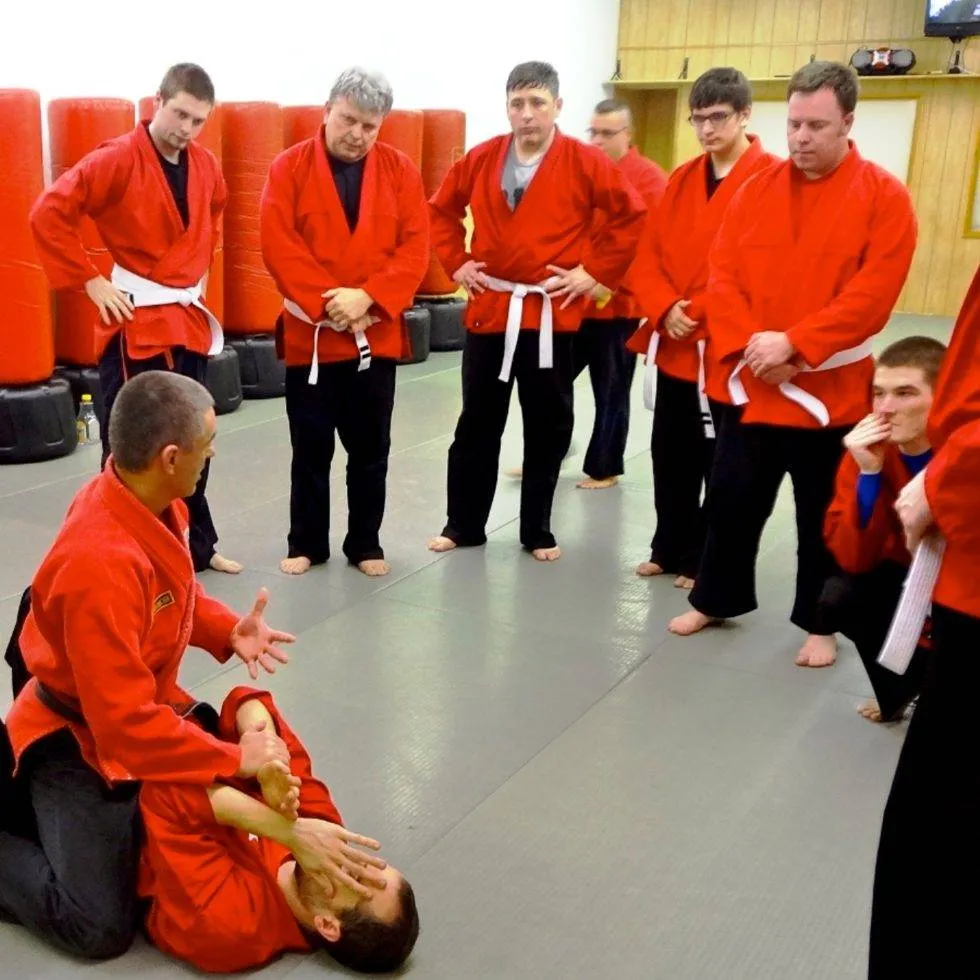
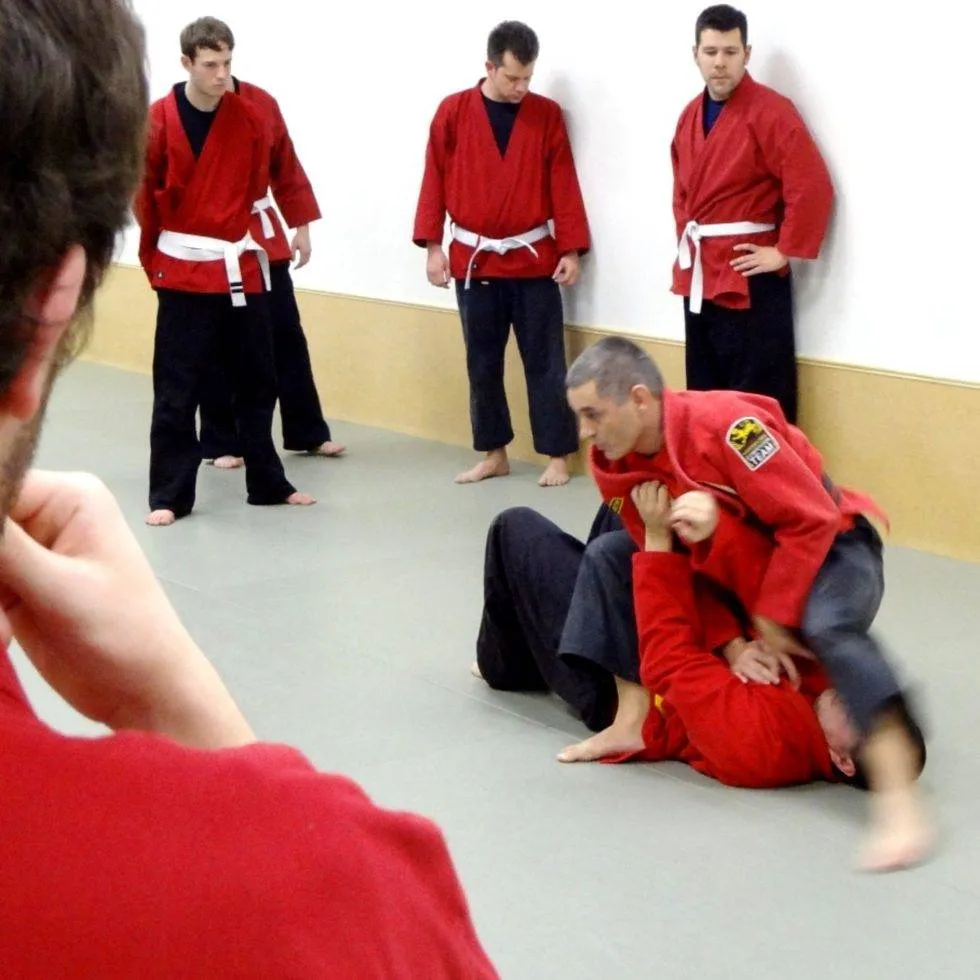
Brazilian Jiu-Jitsu (BJJ) is a martial art that has gained worldwide recognition, not just for its effectiveness in self-defense and combat sports but also for its focus on technique, strategy, and adaptability. Unlike many traditional martial arts that emphasize strength and striking, BJJ focuses on grappling and submission techniques. This unique approach makes it accessible and practical for individuals of all ages and skill levels. In this article, we will dive deep into the fundamentals of Brazilian Jiu-Jitsu, exploring its origins, core principles, training methods, and why it continues to grow in popularity.
What Is Brazilian Jiu-Jitsu?
Brazilian Jiu-Jitsu is a martial art primarily focused on ground fighting and submission grappling. It teaches practitioners how to control, submit, or neutralize an opponent using leverage, positioning, and technique rather than relying on strength or size. BJJ emphasizes the importance of using your opponent’s energy and movements against them, allowing smaller or weaker individuals to defend themselves effectively against larger opponents. Its techniques range from joint locks to chokeholds, all designed to incapacitate an opponent without causing unnecessary harm.
BJJ is often described as “the art of folding clothes with people inside,” as it involves a great deal of grappling, controlling, and manipulating an opponent’s body. It’s widely practiced both as a sport and as a self-defense system, and its popularity has exploded in recent decades, especially in the world of mixed martial arts (MMA).
The Origins of Brazilian Jiu-Jitsu
The roots of Brazilian Jiu-Jitsu can be traced back to traditional Japanese Jujutsu and Judo. In the early 20th century, a Japanese martial artist named Mitsuyo Maeda traveled to Brazil, where he taught Judo to several Brazilian practitioners. One of his most notable students was Carlos Gracie, who, along with his family, adapted the techniques of Judo and Jujutsu into what would become Brazilian Jiu-Jitsu.
Carlos Gracie’s younger brother, Helio Gracie, further developed BJJ by emphasizing leverage and technique over brute strength. Helio was smaller and weaker than many of his opponents, so he focused on using precise body mechanics to apply submissions effectively. Over time, the Gracie family became synonymous with Brazilian Jiu-Jitsu, and they helped spread the art worldwide. Today, BJJ has evolved beyond its roots and is practiced globally, with numerous schools, practitioners, and competitions.
The Core Principles of Brazilian Jiu-Jitsu
BJJ’s effectiveness lies in its core principles, which prioritize technique, control, and strategy. Unlike traditional striking-based martial arts, Brazilian Jiu-Jitsu focuses on using an opponent’s movements against them and employing superior positioning to control the fight.
Leverage and Technique
One of the fundamental principles of Brazilian Jiu-Jitsu is leverage. BJJ practitioners learn to use their body mechanics and position to control an opponent, even if they are significantly smaller or weaker. For example, instead of using brute strength to break free from a hold or submit an opponent, BJJ techniques rely on the efficient use of leverage to gain an advantage.
A good example of leverage is the use of the “guard” position, where a practitioner uses their legs to control an opponent’s posture and prevent them from advancing. By using leverage and technique, a BJJ practitioner can neutralize a much stronger opponent without having to rely on pure strength.
Position Before Submission
In Brazilian Jiu-Jitsu, control is crucial, and the idea of “position before submission” is a key concept. This principle emphasizes the importance of achieving dominant positions before attempting a submission. Positions such as the mount, back control, and side control allow a practitioner to control their opponent’s movements while setting up submissions.
For instance, securing a dominant position like the mount (sitting on top of an opponent’s chest) gives a practitioner better leverage for applying chokeholds or joint locks. Without control of position, applying a submission becomes much more difficult, as the opponent can easily escape or counter the attempt.
Timing and Patience
Brazilian Jiu-Jitsu is often referred to as “human chess” because it requires exceptional timing, patience, and strategy. Unlike many martial arts, where quick, explosive movements are essential, BJJ practitioners are taught to be patient and wait for the right moment to act.
Timing is key in BJJ, as the practitioner must recognize when an opponent is overcommitting or making a mistake. This is often when opportunities for submissions arise. In BJJ, it’s not just about reacting quickly—it’s about waiting for the perfect opportunity to capitalize on the opponent’s movement or mistake.
How Brazilian Jiu-Jitsu Training Works
Brazilian Jiu-Jitsu training typically begins with learning basic techniques, including escapes, sweeps, submissions, and positional control. As practitioners advance, they learn more complex techniques and strategies that combine different elements of the art.
Training usually consists of a combination of drilling specific techniques, rolling (live sparring), and positional sparring. During rolling, practitioners spar with live resistance, testing their techniques in a more realistic scenario. This helps build timing, reflexes, and the ability to apply techniques under pressure.
BJJ is often taught in a belt system, with practitioners starting as white belts and working their way up to blue, purple, brown, and black belts. Each belt represents a level of skill and understanding of the art.
Who Can Practice Brazilian Jiu-Jitsu?
Brazilian Jiu-Jitsu is suitable for people of all ages, fitness levels, and backgrounds. Unlike many martial arts that emphasize striking, BJJ allows individuals to practice safely, even in older age or with physical limitations. BJJ is also often practiced by children and teens, helping them develop discipline, focus, and self-confidence.
Whether you’re interested in it for self-defense, fitness, or as a competitive sport, BJJ offers benefits for everyone. Its adaptability and focus on technique make it a perfect martial art for people of all shapes and sizes.
What Are the Benefits of Practicing Brazilian Jiu-Jitsu?
The benefits of practicing Brazilian Jiu-Jitsu go beyond just physical fitness. Here are some key advantages:
- Improved Physical Fitness: BJJ improves strength, flexibility, and cardiovascular health. Training regularly helps practitioners develop functional fitness that enhances their overall health.
- Increased Confidence: Learning and mastering new techniques builds self-confidence and resilience, both on and off the mat.
- Stress Relief: BJJ provides an excellent outlet for stress, as training focuses the mind and helps practitioners stay present in the moment.
Self-Defense: BJJ is a highly effective self-defense system, particularly in situations where the fight goes to the ground.
How BJJ Differs from Other Types of Martial Arts Training
While many martial arts emphasize striking or standing techniques, Brazilian Jiu-Jitsu focuses on grappling and submissions. This makes BJJ unique in that it teaches practitioners how to defend themselves if a fight goes to the ground, a common scenario in real-life encounters.
Another key difference is the emphasis on technique over strength. BJJ practitioners are encouraged to use leverage and strategy rather than relying on brute force, which makes it accessible to people of all sizes and physical abilities.
Common Misconceptions About BJJ
One common misconception about Brazilian Jiu-Jitsu is that it’s too violent or aggressive. In reality, BJJ is a highly controlled and strategic martial art, with practitioners focused on submitting their opponents in a safe and controlled manner.
Another misconception is that BJJ is only for young, athletic individuals. The truth is, people of all ages, from children to seniors, can practice BJJ and enjoy its benefits.
Why Brazilian Jiu-Jitsu Continues to Grow in Popularity
Brazilian Jiu-Jitsu’s popularity has exploded in recent years, particularly due to its prominent role in mixed martial arts (MMA). BJJ practitioners have had tremendous success in MMA, showcasing the effectiveness of the art in a competitive setting. Additionally, BJJ’s focus on technique over strength makes it accessible to people of all backgrounds and fitness levels, contributing to its widespread appeal.
The increasing number of BJJ academies worldwide has also helped boost its popularity, making it easier for people to find local schools and training partners.
Conclusion
Brazilian Jiu-Jitsu is an incredible martial art that offers more than just physical benefits. It promotes discipline, strategic thinking, patience, and resilience. Whether you’re interested in self-defense, fitness, or competition, BJJ provides a practical and effective system for individuals of all ages and abilities. With its focus on technique and control, Brazilian Jiu-Jitsu continues to grow in popularity, attracting practitioners from all walks of life. If you’re looking to start your journey in martial arts, BJJ offers an amazing foundation for learning, growth, and personal development.