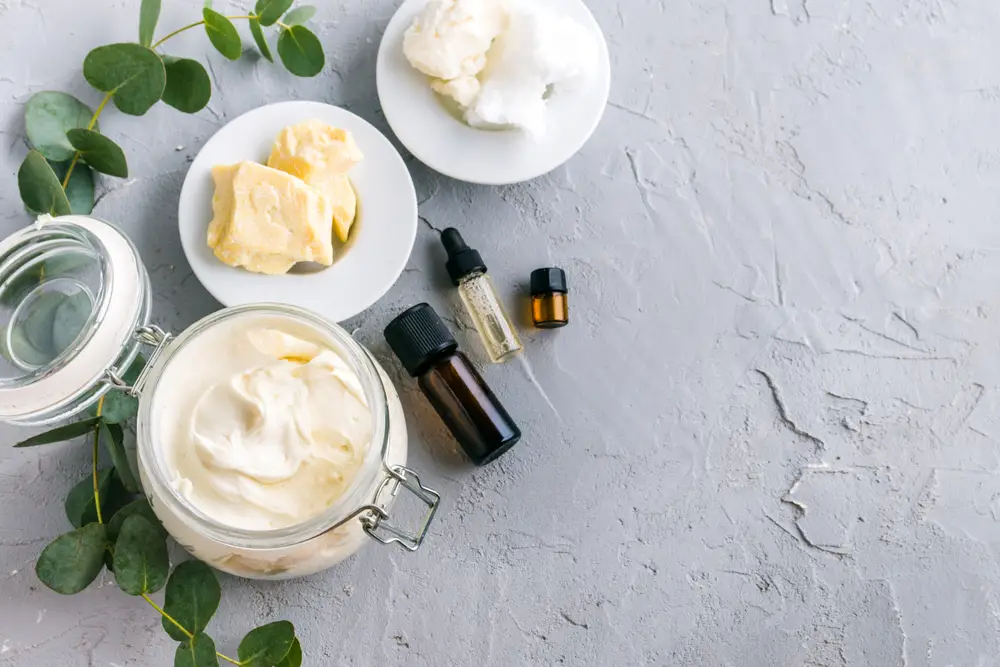
Skincare routines often focus on hydration, yet many individuals struggle to maintain soft, supple skin throughout the day. Natural body butter has become a popular solution for deep nourishment due to its rich texture and concentrated formula. Unlike lightweight, water-based lotions, body butter provides lasting moisture while helping to repair and protect dry or rough skin areas. Understanding the differences between these products allows for better choices in daily skincare, improving comfort, skin texture, and overall health for all skin types, especially those prone to dryness.
The Basics of Body Butter and Lotions
Lotions are light, fluid products containing a higher water content, allowing quick absorption across the skin. They are ideal for normal to slightly dry skin and are convenient for everyday use, particularly in warmer climates. Body butter, however, has a thicker and more concentrated formula composed of natural oils and butters, including shea, cocoa, and mango butter. This dense composition creates a barrier that retains moisture longer, offering intensive hydration. Choosing between the two depends on skin type, desired hydration level, and environmental conditions, ensuring effective skincare tailored to individual needs.
Why Body Butter Offers Deeper Hydration
Hydration is crucial for healthy skin, but lotions often provide only temporary relief due to rapid water evaporation. Body butter differs by creating a protective layer on the skin’s surface, preventing moisture loss and allowing natural oils to penetrate deeply. This penetration nourishes skin layers more effectively, maintaining softness throughout the day. Regular use improves elasticity, reduces flakiness, and supports barrier repair. Individuals with dry or rough patches notice significant improvements as body butter continues working long after application, unlike water-based lotions that require frequent reapplication to achieve similar hydration levels.
Key Benefits That Set Body Butter Apart
- Delivers long-lasting moisture for dry, rough, or sensitive skin
- Forms a protective barrier to prevent water loss
- Contains natural butters and oils for deep nourishment
- Supports skin repair and reduces irritation
- Improves overall texture, leaving skin soft and smooth
- Ideal for rough areas, including elbows, knees, and heels
- Provides a luxurious feel during application for comfort and care
Texture and Absorption Differences
Lotions are lightweight, spread easily, and absorb quickly, making them ideal for daily routines or hot climates. Body butter has a thicker consistency, which slows absorption but provides deeper and longer-lasting hydration. This richer texture allows skin to benefit from concentrated oils and butters, supporting repair and nourishment. Many users prefer body butter for evening or nighttime routines, allowing the skin to absorb the product fully. This slower absorption makes the skin feel soft and supple for hours, creating a more indulgent and effective skincare experience compared to quick-absorbing lotions.
Ideal Skin Types for Body Butter vs. Lotions
Lotions are best suited for normal or slightly dry skin, offering lightweight hydration without feeling heavy. Body butter is particularly effective for dry, sensitive, or mature skin that requires intense moisture and repair. Individuals experiencing rough patches, cracks, or uneven texture benefit from its thick, nutrient-rich formula. During winter or in dry climates, body butter becomes essential to prevent skin dehydration. People with combination skin may choose lotions for daytime use and body butter at night. Selecting products according to skin type ensures proper hydration, repair, and a smoother overall complexion.
Seasonal Skincare Considerations
Seasonal changes influence the type of skincare product that performs best. Warm, humid conditions favor lightweight lotions, which absorb quickly without leaving residue. Cold or dry climates make body butter essential, as its thick consistency shields skin from cracking and moisture loss. Switching between these products according to seasonal needs supports optimal hydration and overall skin health. For example, using lotion during summer and body butter in winter provides balanced care year-round, preventing dryness and discomfort while maintaining smooth, soft skin regardless of external conditions or environmental stressors.
Ingredients That Make a Difference
The effectiveness of any skincare product depends on its ingredients. Lotions typically contain water, light oils, and emulsifiers, which hydrate temporarily but may include synthetic additives. Body butter, on the other hand, relies on natural ingredients such as shea butter, cocoa butter, mango butter, and essential oils. These components are rich in fatty acids, vitamins, and antioxidants that nourish deeply and strengthen the skin barrier. Using products with natural ingredients provides long-term benefits, improving elasticity, maintaining softness, and supporting overall skin health compared to quick-absorbing, water-based lotions.
Application Techniques for Best Results
Proper application is essential to maximize benefits. Lotions work best on slightly damp skin for quick absorption. Body butter requires gentle massage to allow oils to penetrate deeply, particularly in dry areas like elbows, knees, and heels. Spending a few extra minutes during application ensures even coverage and enhances moisture retention. Using body butter after bathing, while the skin is warm and pores are open, improves absorption and hydration. Regular application can improve texture and maintain softness, ensuring long-lasting benefits that water-based lotions alone often cannot achieve.
Long-Term Skin Benefits of Using Body Butter
Consistent body butter use strengthens the skin barrier and reduces irritation, promoting smoother, healthier skin. Its concentrated natural oils nourish deeply, improving elasticity and preventing flakiness. Unlike lotions, which only offer temporary hydration, body butter addresses underlying dryness and supports repair over time. Regular use minimizes rough patches and uneven texture while enhancing overall skin comfort. Over weeks of consistent application, the skin becomes soft, supple, and resilient. Body butter’s nutrient-rich composition ensures that hydration and nourishment extend beyond surface-level care, providing lasting improvements in appearance and health.
Conclusion:
Choosing between body butter and lotions depends on personal skincare needs and environmental factors. Lotions offer convenience and quick absorption for mild dryness or warm climates. Body butter provides concentrated hydration, long-lasting moisture, and intensive care for dry, sensitive, or rough skin. Incorporating body butter into daily or seasonal routines ensures optimal skin softness, elasticity, and comfort. Understanding how each product works allows for more informed decisions, supporting healthier, nourished, and well-protected skin throughout the year.