When it comes to vein health, asking the right questions is crucial. Whether you’re considering treatment for spider veins or more severe varicose veins, understanding your options and what to expect can make a significant difference in your outcomes. Vein treatment doctors are trained to offer guidance, but patients who actively participate in the discussion often experience better results. If you live in Long Island, Vein Treatment Long Island is a trusted resource for comprehensive care. Here are the essential questions you should ask your vein treatment doctor before starting any procedure.
1. What Is the Latest Treatment for Varicose Veins?
One of the most common questions patients ask is, “What is the latest treatment for varicose veins?” Medical technology has advanced significantly in recent years. Vein treatment doctors can now offer minimally invasive procedures such as endovenous laser therapy (EVLT), radiofrequency ablation, and foam sclerotherapy. Each treatment has its benefits, recovery times, and effectiveness levels.
Asking your doctor about the latest treatments ensures you receive the most efficient and least invasive care possible. Additionally, knowing the newest options can help you compare potential outcomes and decide on a treatment that fits your lifestyle.
2. How Experienced Are You With Vein Treatments?
Experience matters when it comes to vein care. Vein treatment doctors vary in training, technique, and procedure volume. It’s essential to ask how long the doctor has been performing specific procedures and how many similar cases they have handled successfully.
A skilled doctor will not only perform the procedure efficiently but also anticipate and manage complications if they arise. For example, Vein Treatment Long Island prides itself on experienced staff who specialize in advanced vein care, ensuring patients receive safe and effective treatment.
3. What Are the Risks and Possible Complications?
No medical procedure is without risks. Asking your doctor about potential complications helps you make informed decisions. Common risks with vein procedures can include bruising, swelling, infection, and in rare cases, blood clots.
Understanding these risks allows you to take preventive measures and recognize warning signs early. Your doctor should provide a clear explanation of how often complications occur and what steps are taken to minimize them.
4. What Can I Expect During the Procedure?
Patients often feel anxious about the unknown aspects of vein treatment. Asking your doctor what to expect during the procedure can reduce stress and help you prepare adequately. This includes details about anesthesia, duration, and what sensations you might feel during the treatment.
Minimally invasive treatments typically involve little to no downtime, but knowing exactly what will happen can help you plan for your day, arrange transportation if needed, and understand any limitations immediately following the procedure.
5. How Should I Prepare for Vein Treatment?
Preparation is key for a successful outcome. Vein treatment doctors can provide specific instructions, such as avoiding certain medications, wearing compression stockings, or refraining from vigorous activities before the procedure.
Asking these questions ensures you are actively participating in your care and helps the treatment go smoothly. Proper preparation can reduce complications and improve the healing process, allowing you to enjoy better results faster.
6. What Are the Expected Recovery Times?
Recovery time varies depending on the type of procedure and individual health factors. Some treatments, like laser ablation, allow patients to resume normal activities almost immediately, while others might require a few days of rest.
Vein treatment doctors can give you a realistic timeline for recovery and advise on activities to avoid. Knowing what to expect helps you plan work, travel, and exercise, reducing frustration and enhancing your overall treatment experience.
7. How Effective Is This Treatment for My Specific Condition?
Varicose veins differ from person to person in severity, location, and underlying cause. It’s important to ask your vein treatment doctor how effective the recommended procedure will be for your unique condition.
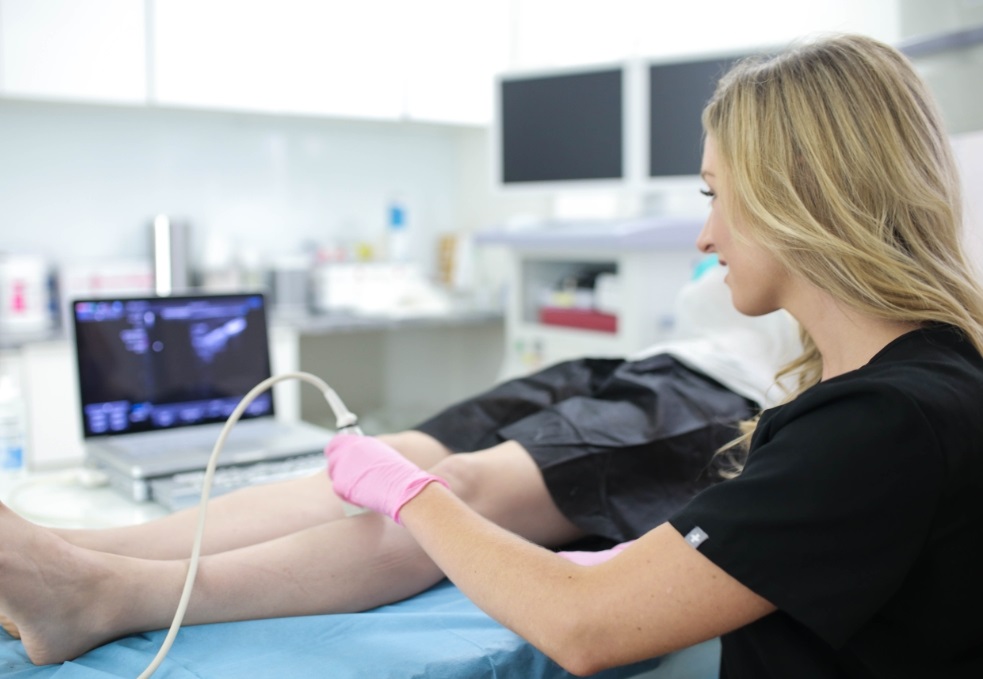
Your doctor may suggest diagnostic tests such as an ultrasound to map the veins and determine the best course of action. Understanding the treatment’s effectiveness helps you set realistic expectations and plan for potential follow-up care.
8. Are There Alternative Treatments?
Even if a doctor recommends a particular treatment, there may be alternatives. Asking about other options allows you to weigh the benefits, risks, and costs of each method.
For instance, some patients may benefit from lifestyle changes, compression therapy, or less invasive procedures before opting for surgery. Knowledge of alternatives ensures you are making a well-informed decision tailored to your health and lifestyle.
9. Will I Need Multiple Treatments?
Some vein conditions may require more than one session for complete results. Ask your vein treatment doctor about the likelihood of needing follow-up treatments and how many are typically required.
Understanding this helps you manage expectations regarding time, costs, and long-term care. Experienced vein treatment doctors, like those at Vein Treatment Long Island, provide clear guidance on follow-up schedules and monitoring to ensure optimal outcomes.
10. How Much Will the Treatment Cost, and Is It Covered by Insurance?
Cost is always an important factor. Vein treatment doctors can provide detailed estimates and clarify what insurance may cover. Procedures like EVLT or sclerotherapy may be partially or fully covered depending on whether the treatment is deemed medically necessary.
Discussing costs upfront prevents surprises and allows you to budget effectively. Your doctor may also provide information on financing or payment plans if needed.
11. What Lifestyle Changes Can Help Improve Results?
After treatment, lifestyle choices can significantly impact the longevity and effectiveness of the results. Ask your doctor about activities, diet, or exercise routines that can support vein health.
Simple measures like maintaining a healthy weight, regular exercise, and wearing compression stockings can reduce the risk of recurrence and improve overall vascular health. Vein treatment doctors often provide personalized recommendations to maximize the benefits of your procedure.
Conclusion
Asking the right questions when consulting vein treatment doctors ensures you are well-informed, prepared, and confident in your care. From understanding the latest treatments for varicose veins to knowing recovery timelines and lifestyle adjustments, each question plays a critical role in your health journey.
If you are seeking expert guidance, Vein Treatment Long Island offers specialized care with experienced professionals who prioritize patient outcomes. By engaging with your doctor actively, you take control of your vein health and move closer to healthier, pain-free legs.