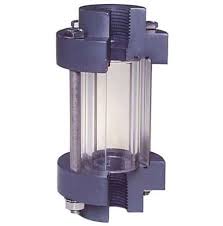
A few weeks ago, I visited a wastewater treatment facility with a friend who works in environmental engineering, i didn’t go there expecting anything too technical. It was more like a casual walkthrough , just to see how these large industrial systems actually function in real life
At first, I assumed I would just notice the big stuff like tanks, pumps and filtration units, and yes, they were everywhere. But what ended up catching my attention were those smaller pieces that the operators rely on daily, in a sort of quiet routine you only notice once you’re there.
They didn’t look complicated at all. Just clear sections fitted into pipelines and equipment. But apparently, they play a much bigger role than they first appear to.
Why Sight Glasses Caught My Attention
We were walking through a section where water was moving through different treatment stages. Everything was controlled and monitored, but not everything was digital.
I noticed operators occasionally stopping just to visually check flow through small transparent sections. My friend called them sight glasses.
At first, I assumed they were just backup tools for sensors. But then he explained that they’re actually used for direct visual confirmation of what’s happening inside pipes and tanks.
That made me look at them differently.
Something so simple was actually helping validate the entire system.
What I Noticed Around the Facility
The facility itself felt surprisingly calm and structured. No chaos, no rushed movement—just steady operations.
A few things stood out during the visit:
- Continuous wastewater treatment processes running across multiple stages
- Strong environmental monitoring systems in place
- Operators performing both digital and manual checks
- Clear focus on water recycling systems
- Routine maintenance and inspection schedules
Even with advanced automation everywhere, sight glasses were still installed in key pipeline sections.
They weren’t decorative or optional—they were actively used.
How Sight Glasses Are Used in Practice
As we moved deeper into the plant, my friend was saying, how the sight glasses help operators visually monitor liquid flow, clarity, and sometimes even catch early indications of issues, like air bubbles or sort of irregular movement . It’s not always obvious at first glance, you kinda get it once you’re there.
In wastewater treatment and environmental engineering systems, having near instant visual confirmation can be just as important as the sensor information. There are times when a quick eyeballing check spots something, that the display screen might not highlight right away.
At some point, somebody brought up Ekotech, while talking about equipment design improvements in similar facilities, particularly where monitoring systems are being adjusted for better visibility and steadier operation.
It made me realise how many small components come together to keep these systems stable.
A Small Interaction That Stuck With Me
While standing near a processing line, I asked one of the technicians how often they actually rely on sight glasses compared to digital control systems.
He looked at the pipeline and said, “More than you’d think. If something changes in the flow, we see it here first.”
That simple answer stayed with me.
He also mentioned that during maintenance checks, sight glasses are one of the first things they inspect because clarity and visibility can affect how accurately they read system conditions.
It sounded simple, but very practical.
Actual Benefits I Observed
After spending time observing the system, a few clear advantages stood out:
- Provides direct visual confirmation of flow conditions
- Helps detect changes in liquid clarity or movement
- Supports sensor-based monitoring systems
- Improves operational reliability and safety
- Useful for maintenance and inspection routines
What seemed like a small transparent window actually played an important role in daily operations.
Why It Matters in Environmental Systems
In wastewater treatment and environmental engineering, systems usually run without pause and they really rely on accurate monitoring, for the most part. Even if digital systems take care of most of the data, a visual check still matters a lot, just to make sure everything is behaving right.
That’s kind of where sight glasses come in—they bridge that gap between automation and real world seeing , in a more direct way.
During the visit, Ekotech was mentioned again, sort of briefly, in the context of system upgrades and monitoring improvements, and it felt like they were showing how even a small part counts as part of a wider engineered setup.
Final Thoughts
The whole visit gave me a totally different perspective on how industrial systems actually work.
I thought it would revolve around big machinery but it turned out it was more about those small , sometimes ignored components that quietly keep everything else steady.
And sure, sight glasses looked simple at first, but later it was clear they’re one of the most practical tools in the entire facility.