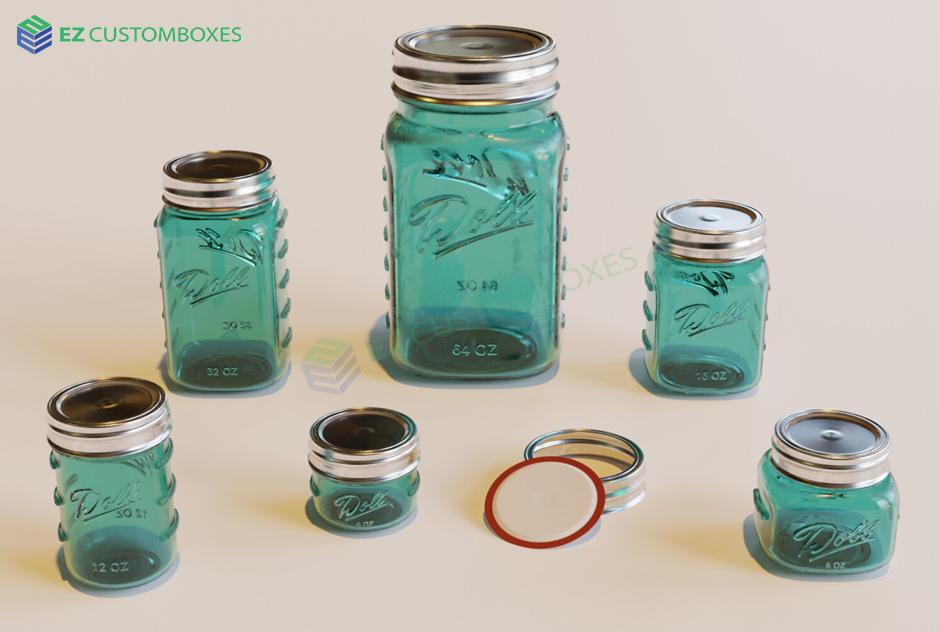
Mason jars are the most used jars; they are not just use fo preserving food, but the high-quality mason jars are also used for meal prep, reheating leftovers, beverages, and even desserts. With the help of modern technology, the jars are universally safe for all heating methods. However, when it comes to microwave use, mason jars require specific safety best practices that are rarely discussed in depth.
Are Mason Jar Microwavable? This article will help the user understand why these jars behave differently in the microwave and how these jars prevent breakage, cracks, and food waste, resulting in extending the lifespan of the jars using the studies from food safety experts, “materials science research,” or “manufacturer guidance.”
Mason Jars Are Designed for Pressure, Not Rapid Heating
Mason jars are made of soda-lime material; this material is very common for its strength. This will keep the jar safe during canning and long-term storage. During the water bath or pressure canning, the heat is gradual and even, so the glass will not even crack. But during its use, it may need to be microwaved. But microwaves work differently; they will not just heat the container, but the science here is that the microwave excites water molecules inside the food, creating internal heat first.
Now whats happen here is that when the food inside the jar is heated and expands, on the other hand, the thick walls and heavy base resist sudden expansion. Food inside becomes heated, whereas the glass remains relatively cool, and this builds the internal stress and results in a big crack or breakage of the jar. This is also proven by the material science research
Thermal Shock: The Hidden Risk Most People Ignore
Thermal shock is another reason for the breakage of the glass jar. It damages the material due to sudden extreme temperature changes. Thermal shock makes the expansion and contraction uneven. The U.S. Food and Drug Administration highlights that microwave heating often creates hot spots inside food, which may damge the jar which are not specifically designed for the microwave. The jar, when directly taken out from the refrigerator and microwaved, may break due to the sudden temperature change. Some jars may survive one, but repeated exposure to thermal shock creates microscopic cracks, and we think that it happened now; actually, it was damaging the glass from the start. According to general consumer safety research, reused glass containers have a higher probability of failure under uneven heating conditions than newly manufactured ones.
Sealed Lids and Pressure Build-Up Increase Danger
Even the lid should be designed to stay better when the mason jars are microwaved. The lids are designed to seal tightly, and when the jar with food gets heated, the steam forms rapidly. The pressure builds inside the jar, which can result in sudden lid release. Now, if the brands have chosen a metal lid over the plastic one. The microwave can spark. Food safety educators regularly warn that sealed containers should never be microwaved, regardless of material.
Food Composition Plays a Major Role in Safety
Mason jars may have different types of food, and different food types do not heat the same way in the microwave, which will automatically have an impact on how safe it is to use the mason jars. Food items that are high in sugar or thickness will get heated from the inside very quickly, but the jar can’t heat up at the same speed. This uneven heating puts pressure on the mason jar, increasing the chances of cracking or sudden breakage. One more thing, during heating, the steam gets trapped inside, which builds pressure, and this can also weaken the glass. On the other hand, when the liquid food is heated gradually, the thick glass can easily handle it.
Manufacturer Claims vs. Practical Reality
Some manufacturer false claim that the jars are microwave safe, but only when used without a lid. Actually, when the heating is done under controlled condition the claim may seem to be true. But in reality, the jars have thinner walls and material that will tolerate rapid energy transfer. Mason jars are optimized for durability and pressure, not speed. As one widely cited kitchen safety principle states:
“Just because a material can tolerate heat does not mean it can tolerate rapid heating.”
Safer Use Comes from Understanding, Not Avoidance
Now, here are some tips to make the mason jars safe during microwaving:
- Allow jars to reach room temperature
- Heat gradually
- Dont us the metal lid
- Avoid sealed lids.
Final Perspective
Mason jars are a more useful item for storage and preservation and sometimes need to be heated in a microwave. Microwave has become challenging for the jars, but due to fulfilling the safety requirements, the mason jars can be used easily.
Frequently Asked Questions About Mason Jars and Microwave Safety
Are mason jars microwave safe?
Mason jars are microwave safe if used cautiously under certain conditions. Such as removing the lid while microwaving.
Why do mason jars sometimes crack in the microwave?
It is due to the thermal shock. There is the differnece in heating of the inside food and the walls of the jars. The temperature inside the jars rises quickly as compared to the heavy base of the j arscreating internal stress that can lead to fractures or sudden breakage.
Is it safe to microwave mason jars straight from the fridge?
It will increase the thermal shock, which may damage the jar. It is recommended that you allow the jars to reach room temperature before heating, which will help reduce stress on the glass and the risk of cracking.
Are older or reused mason jars less safe for microwaving?
Yes, obviously repeated exposure to heat washing and temperature changes can weaken the glass at the microscopic level, which may damage the glass in the future.
What is the safest way to reheat food using mason jars?
- Don’t use a refrigerated jar
- Avoid using the lid on the jar
Heat the food in short intervals