
The spaces we inhabit shape our experiences in ways we often don’t consciously recognize. Among the most influential yet overlooked factors is sound—the way it travels, reflects, and accumulates within rooms. Hard surfaces that dominate modern interiors—glass, concrete, wood, drywall—create environments where sound bounces endlessly, producing echo, reverberation, and confusion. Conversations become exhausting. Music loses clarity. Television dialogue blurs. The solution lies in acoustic panels, specialized treatments that absorb sound energy rather than reflecting it. Once confined to recording studios and commercial spaces, these panels have evolved into sophisticated design elements that enhance both auditory experience and visual appeal. For homeowners seeking spaces that sound as good as they look, acoustic panels offer a path to sonic comfort and modern style.
Understanding How Acoustic Panels Work
The science behind acoustic panels is elegantly simple. Sound travels through air as waves of pressure. When these waves encounter hard surfaces, they reflect back into the room, creating reverberation that builds upon itself. Acoustic panels interrupt this cycle through their porous structure. Sound waves enter the panel material—typically compressed fibers or open-cell foam—and their energy converts to tiny amounts of heat through friction within the maze of fibers. The sound that reflects back is significantly reduced, leaving the room quieter and clearer. The effectiveness of panels is measured by their Noise Reduction Coefficient, a rating between zero and one that indicates what percentage of sound energy they absorb. Quality panels achieve ratings of 0.8 or higher, meaning they absorb at least eighty percent of sound that strikes them.
The Impact of Poor Acoustics on Daily Life
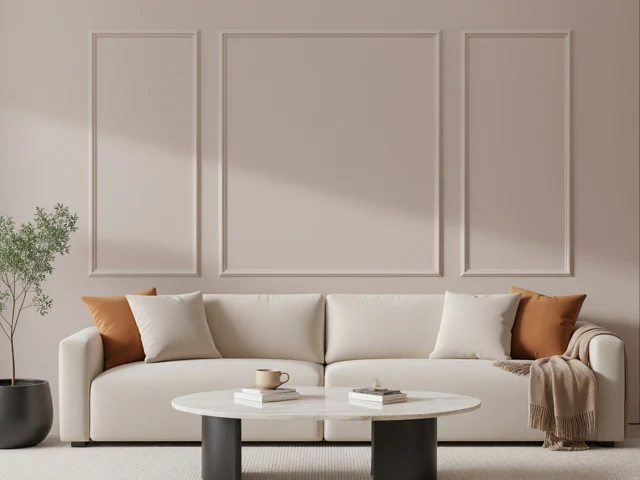
Before investing in acoustic treatment, it helps to recognize how poor acoustics affect everyday experiences. In open-plan living areas, conversations from different zones blend into unintelligible noise. In home theaters, dialogue loses clarity against background sound. In dining rooms, hard surfaces amplify the clatter of dishes and multiple conversations, making gatherings exhausting rather than enjoyable. In home offices, echo reduces privacy and makes video calls sound unprofessional. Children’s play areas become cacophonies of reflected sound that overwhelm both children and parents. These effects accumulate throughout the day, contributing to what researchers call “cognitive fatigue”—the mental exhaustion that comes from constantly straining to hear and be heard. Acoustic panels address these issues at their source, transforming how spaces feel as well as how they sound.
Design Evolution: From Studio to Showroom
The aesthetic transformation of acoustic panels represents one of the most significant developments in interior acoustics. Early panels were purely functional—utilitarian foam or fiberglass tiles in industrial colors, clearly intended for behind-the-scenes applications. Today’s options reflect serious design attention. Panels come in virtually any color, allowing integration with or accent against wall finishes. Fabric wraps offer textures from smooth to nubby in endless textile options. Shaped panels create geometric patterns that serve as wall art while performing acoustically. Modular systems allow custom arrangements that fill walls partially or completely. Some manufacturers offer printed panels that display artwork, photography, or brand imagery. This design evolution means acoustic treatment no longer requires aesthetic compromise—panels can be as beautiful as they are functional.
Panel Types and Their Applications
Different acoustic challenges call for different panel types, and understanding the options helps in selecting appropriate solutions. Absorption panels, the most common type, reduce reverberation throughout a room and work well in most residential applications. Bass traps specifically target low-frequency sound, which standard panels handle less effectively; these belong in home theaters or music rooms where deep bass accumulates. Diffuser panels scatter sound rather than absorbing it, breaking up reflections without deadening the space completely—ideal for listening rooms where natural acoustics matter. Portable panels offer flexibility for multi-use spaces, moving as needs change. Ceiling clouds suspend overhead, treating the largest uninterrupted surface in most rooms. Matching panel type to specific acoustic issues ensures effective results without over-treating.
Placement Strategies for Maximum Effectiveness
Where panels are placed matters as much as how many are used. The first reflection points—locations where sound from speakers or televisions would first bounce to reach listeners—represent priority positions. In home theaters, these are the spots on side walls where you would see the speaker reflected in a mirror placed at the listening position. In conversation areas, panels near seating reduce reflected sound before it reaches ears. Corners accumulate bass energy and benefit from bass traps. Large untreated wall areas between windows or doors provide opportunities for substantial absorption. The goal is strategic distribution rather than covering every surface; over-treated rooms feel unnaturally dead, while properly treated rooms sound clear and comfortable without drawing attention to the treatment itself.
Integration with Interior Design
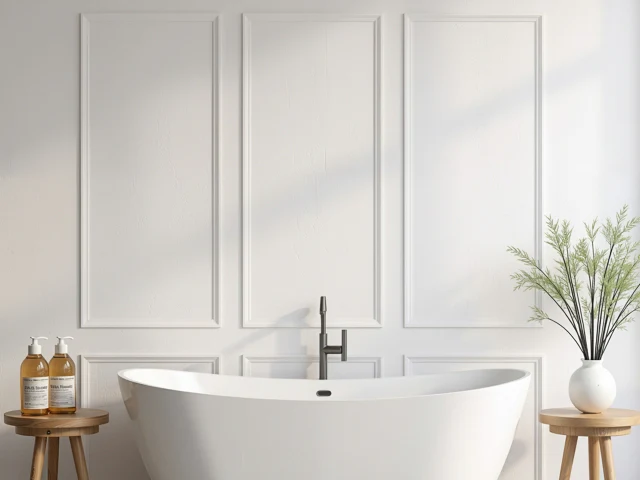
Successful acoustic panel installations feel intentional rather than added-on, integrated with overall design rather than competing with it. In minimalist spaces, panels in wall-matching colors disappear visually while performing acoustically. In bold interiors, contrasting panels become features—perhaps a grid of colorful squares behind a sofa, or a dramatic wall of geometric shapes. Panel arrangements can echo other design elements, with sizes and spacing that relate to furniture placement or architectural features. Fabric choices should coordinate with upholstery, drapery, and other textiles in the room. Even the edges of panels deserve consideration; beveled or framed options create different visual characters. When acoustic treatment receives the same design attention as furniture or lighting, it contributes to the room’s aesthetic rather than detracting from it.
Installation Options for Every Skill Level
Acoustic panels accommodate various installation approaches suitable for different DIY comfort levels. Many panels use simple impalement systems—metal clips on walls receive the panel, which presses onto them for secure mounting. Adhesive strips work for lightweight panels on smooth surfaces, though removal may damage paint. Some systems use hidden French cleats that allow panels to hang like artwork, easily removable and repositionable. For maximum flexibility, panels can stand on floor-mounted supports or lean against walls without permanent attachment. Professional installation ensures perfect alignment and invisible mounting but adds cost. Whatever approach you choose, proper installation ensures panels perform as designed and remain securely in place while looking their best.