If you have ever walked through a mineral processing plant, you know the sound of slurry moving through pipes—a gritty, relentless flow that never seems to take a break. That continuous movement is the heartbeat of any mining operation, and when it stops, the whole plant feels it. CNSME has positioned itself as a go-to solution provider for exactly these environments, where standard pumps simply surrender to the punishment of rocks, sand, and chemicals. Their slurry pumps are not just equipment; they are carefully thought-out answers to the daily abuse that mining and processing plants throw at them. From the moment ore is crushed to the final stage of tailings disposal, CNSME builds pumps that keep going when others have already been pulled for repair.
How Mining Slurry Differs from Everything Else
Let’s start with a basic truth: mining slurry is uniquely destructive. Unlike wastewater sludge or food processing slurries, mining slurry contains sharp, angular particles that have just been ripped from the earth. These particles range from fine silt to chunks the size of your fist, and they travel at high speeds through pump casings. The result is a combination of impact wear from larger particles and erosion from finer ones, all happening simultaneously. CNSME engineers understand this dual threat. They design impellers with gradual vane entry angles that reduce particle impact velocity. They also use wear materials that combine hardness for abrasion resistance with enough toughness to withstand direct hits from larger rocks. This balancing act is what separates a true mining pump from a general industrial pump dressed up in heavy paint.
Matching Pump Design to Crushing and Grinding Circuits
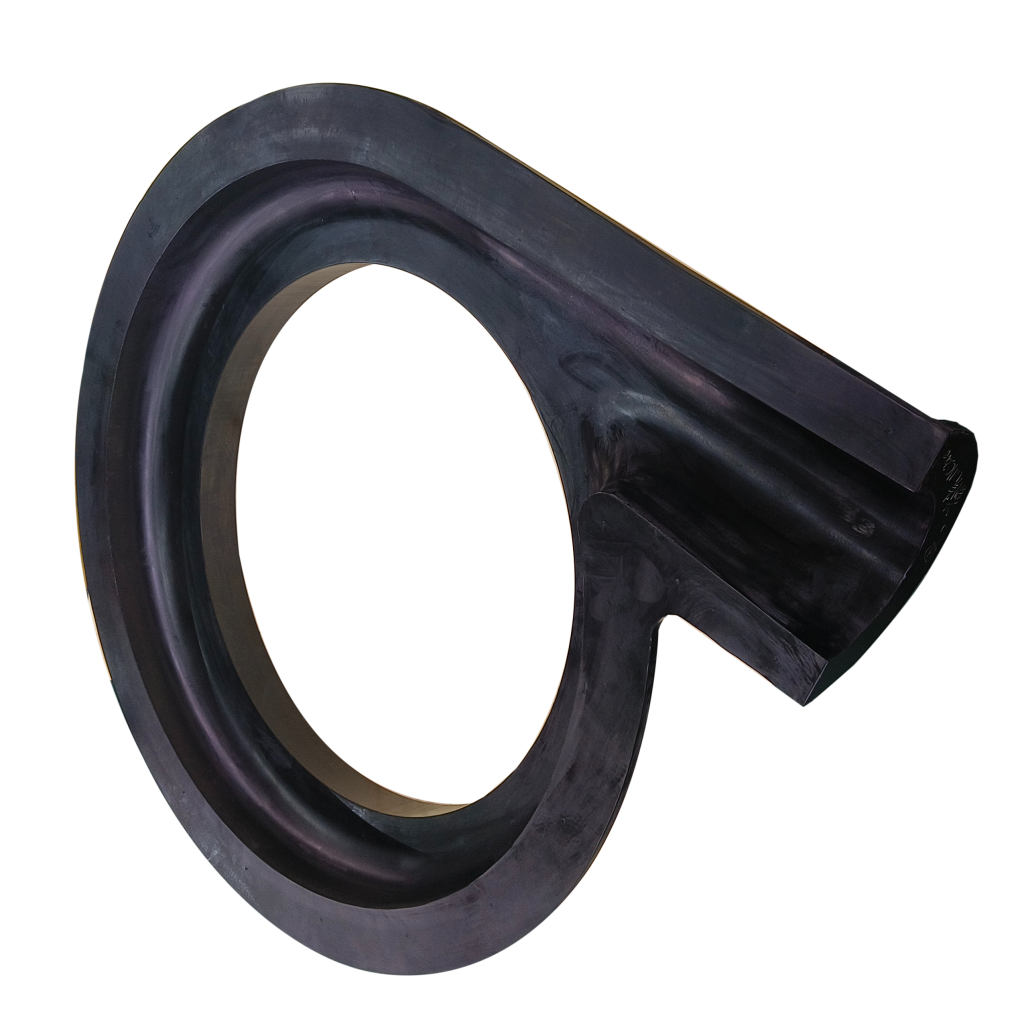
The real challenge in a processing plant is that slurry properties change at every stage. Coming out of the crushing circuit, you have dry material being mixed with water—thick, chunky, and unpredictable. After the grinding mill, the slurry becomes finer but far more abrasive, like liquid sandpaper. Then comes classification, where cyclones separate particles by size, requiring pumps that maintain consistent pressure regardless of feed variation. CNSME offers different pump configurations for each stage. For primary cyclone feed, they provide high-head pumps with closed impellers that maintain pressure stability. For mill discharge, they use wider clearances to accommodate occasional oversize particles. For interstage pumping between flotation cells, they choose rubber-lined models that resist chemical attack from reagents. This stage-by-stage thinking prevents the common mistake of using one pump type for an entire plant.
Handling Thickened Tailings with Confidence
Tailings disposal has become one of the most demanding applications in modern mining. As environmental regulations tighten, more operations are moving toward thickened or paste tailings, which have much higher solids concentrations than conventional slurry. These thick mixtures resist flow, settle quickly when pumping stops, and put tremendous stress on shaft seals and bearings. CNSME has developed specific solutions for this tough application. Their tailings pumps feature oversized shafts with close bearing spacing to handle the heavy radial loads. The volute casing is designed with a larger outlet to reduce flow velocity and minimize settling. For the seal, they often recommend expeller seals that use centrifugal force to keep solids away from the gland area, or dual mechanical seals with pressurized barrier fluid for paste applications. Plant operators report that CNSME tailings pumps can sit idle for hours without plugging—a critical feature when mines cycle between filling and resting tailings storage facilities.
Reducing Maintenance Downtime in Remote Locations
Mining and processing plants are rarely located next to supply warehouses. They sit in deserts, mountains, and jungle regions where shipping a replacement part takes days or weeks. CNSME addresses this reality by designing pumps that can be maintained with basic hand tools and minimal training. The wet end components—liner, impeller, throatbush, and side liner—are arranged in a stack that slides out axially after removing the front casing bolts. You don’t need to disconnect piping or pull the pump from its base to perform a major wear part replacement. A two-person crew with an overhead crane can completely rebuild the wet end in a single shift. CNSME also provides color-coded wear indicator marks on the casing exterior, so maintenance teams can measure liner thickness without disassembly. These small design choices add up to significant uptime improvements, especially when the nearest machine shop is a twelve-hour drive away.
Material Selection for Acidic and Alkaline Processing Streams
Not all mining slurries are created equal. Copper and nickel processing involves sulfuric acid leaching, which rapidly corrodes standard high-chrome iron. Gold cyanidation circuits are highly alkaline and can cause stress corrosion cracking in certain alloys. Potash processing uses brine solutions that attack common seal materials. CNSME navigates this chemical maze by offering a wide material matrix. For acid applications, they use duplex stainless steels or specialized alloys with high molybdenum content. For alkaline cyanide services, they select high-chrome irons with controlled carbide structures that resist both wear and caustic attack. For salt slurries, they use super-duplex stainless steels combined with elastomer seals made from FKM or FFKM. Rather than guessing, CNSME asks for a slurry analysis report or a small sample. They then run laboratory wear tests and corrosion immersion tests to confirm the material choice before building the pump.
Energy Efficiency Without Sacrificing Durability
There is a common myth in the mining industry that tough pumps must be inefficient. The thinking goes that thick casings, wide clearances, and heavy impellers waste energy compared to precision-crafted water pumps. CNSME has worked hard to bust this myth. Their hydraulic designs use computational fluid dynamics to optimize vane shape and casing geometry, achieving efficiencies that rival much lighter-duty pumps. The trick lies in reducing internal recirculation and turbulence, which not only wastes power but also accelerates wear. A CNSME slurry pump manufacturer operating at the correct duty point typically consumes five to fifteen percent less energy than competing designs with similar wear life. Over the multi-year lifespan of a pump in continuous operation, those energy savings often exceed the original purchase price of the equipment. Plant managers focused on both production and power costs appreciate this combination of toughness and efficiency.
Why Processing Plants Stay with CNSME Long-Term
After a decade of supplying mining and processing plants, CNSME has noticed a pattern. Customers rarely leave. Once a plant installs their first pump and sees how it handles the daily abuse, they gradually replace other failing pumps with CNSME models. The reasons go beyond the pump itself. CNSME provides detailed wear life projections based on your specific slurry, so you can plan maintenance budgets without guesswork. They maintain a library of past orders for each customer, so reordering wear parts takes a single phone call. And when something unexpected happens—a power surge that damages a motor coupling, a foreign object that jams an impeller—their technical team responds like they are part of your staff. For mining and processing plants that cannot afford unplanned stops, that level of partnership matters as much as the pump sitting on the foundation. CNSME delivers both the hardware and the peace of mind.