


There are moments in medicine that fundamentally shift what doctors can offer to families facing the unthinkable. Pediatric CAR-T therapy represents exactly such a moment. For decades, a child whose leukemia returned after chemotherapy faced a grim prognosis, with long-term survival rates hovering below thirty percent. Today, that same child can receive a single infusion of their own genetically reprogrammed immune cells and achieve complete remission in upwards of eighty percent of cases. This is not a small improvement or a marginal gain. This is a transformation, one that has changed how oncologists talk about hope, how researchers design clinical trials, and how parents dare to plan for birthdays and graduations they once thought impossible. The following sections explore the many ways this therapy is rewriting the rules of childhood cancer care.
From Toxic Poisons to Targeted Living Drugs
The old paradigm of childhood leukemia treatment relied on chemotherapy, a blunt instrument that kills rapidly dividing cells regardless of whether they are cancerous or healthy. Children receiving standard induction therapy endure weeks of nausea, hair loss, mouth sores, and dangerously low blood counts that require transfusions and hospitalizations for fevers. CAR-T therapy flips this model entirely by using living cells as the drug. Instead of flooding the body with toxins, oncologists collect a child’s own T-cells and equip them with a new receptor that recognizes a specific protein on leukemia cells. Once infused back, these living drugs sense their target, multiply, and destroy cancer with a precision that chemotherapy can never achieve. The difference is not just in effectiveness but in the experience of treatment. Many children who receive CAR-T therapy spend far fewer days hospitalized than they would during a typical chemotherapy cycle, and they avoid the cumulative organ damage that comes from repeated exposure to toxic drugs.
Transforming Relapse From a Death Sentence to a Manageable Setback
Before CAR-T therapy, a second or third relapse of B-cell acute lymphoblastic leukemia carried devastating weight. Doctors would discuss palliative care, clinical trials of last resort, or the slim chances of a bone marrow transplant from a mismatched donor. Families learned to hope cautiously, knowing that statistics were not on their side. Today, a relapse after initial chemotherapy is no longer the end of the road. It is a moment when oncologists can confidently say, “We have another tool.” Children who would have been considered incurable just ten years ago now receive CAR-T therapy, achieve remission within a month, and go on to live normal lives. This psychological transformation matters as much as the medical one. Parents can now walk into their child’s relapse appointment knowing there is a plan B, and sometimes even a plan C, involving next-generation CAR-T constructs or combination approaches. The language has shifted from “if we can save your child” to “when your child is cured.”
Reducing the Need for Bone Marrow Transplantation
For many years, the only curative option for a child with relapsed leukemia was a bone marrow transplant from a healthy donor. This procedure carries significant risks, including graft-versus-host disease where donor immune cells attack the child’s skin, liver, and intestines. It also requires finding a matched donor, which can be impossible for children from underrepresented ethnic backgrounds. CAR-T therapy has changed this equation dramatically. Many children who achieve remission after CAR-T therapy do not proceed immediately to transplant. Instead, doctors monitor them closely, and a substantial proportion remain in remission for years without ever needing donor cells. This means children avoid the chronic pain of graft-versus-host disease, the fertility loss from transplant conditioning, and the indefinite immune suppression that makes normal childhood activities like playing in parks or attending school risky. For families who have watched their child suffer through transplant complications, this is nothing short of revolutionary.
Opening Doors for Infants and Toddlers With Aggressive Disease
The youngest cancer patients have historically been the hardest to treat. Infants under one year old with leukemia often carry high-risk genetic features, and their small bodies tolerate intensive chemotherapy poorly. Many standard protocols simply exclude babies due to toxicity concerns. CAR-T therapy is changing this reality. Specialized pediatric CAR-T therapy centers have developed dose-adjusted protocols specifically for infants, using smaller numbers of engineered cells and slower infusion rates. The early results are remarkable. Babies who would have been given months to live are now achieving durable remissions, growing into toddlers who run and play like any other child. The immune systems of infants also appear uniquely adaptable, with some studies suggesting that CAR-T cells persist longer and cause less severe cytokine release syndrome in very young children. For parents who have heard “there’s nothing more we can do,” the ability to offer CAR-T therapy to their infant represents a transformation they never dared to imagine.
Changing How Hospitals Care for Critically Ill Children
Beyond the direct effects on cancer, CAR-T therapy has transformed how pediatric hospitals approach supportive care. Before CAR-T, most pediatric intensive care units rarely saw children with overwhelming immune activation. Today, PICU teams across the country have become experts in managing cytokine release syndrome, using algorithms that start with tocilizumab at the first sign of persistent fever and escalate to vasopressors and steroids as needed. This expertise has spread to other conditions. The same nurses who learned to monitor CAR-T patients for subtle neurological changes now apply those skills to children with sepsis or other inflammatory conditions. The infrastructure built for CAR-T therapy, including 24-hour laboratory access and rapid response teams dedicated to children with fevers, has improved care for every child in these hospitals. In this way, CAR-T therapy’s transformation extends far beyond the children who receive it, raising the standard of care for entire oncology units.
The Financial Transformation and What Still Needs to Change
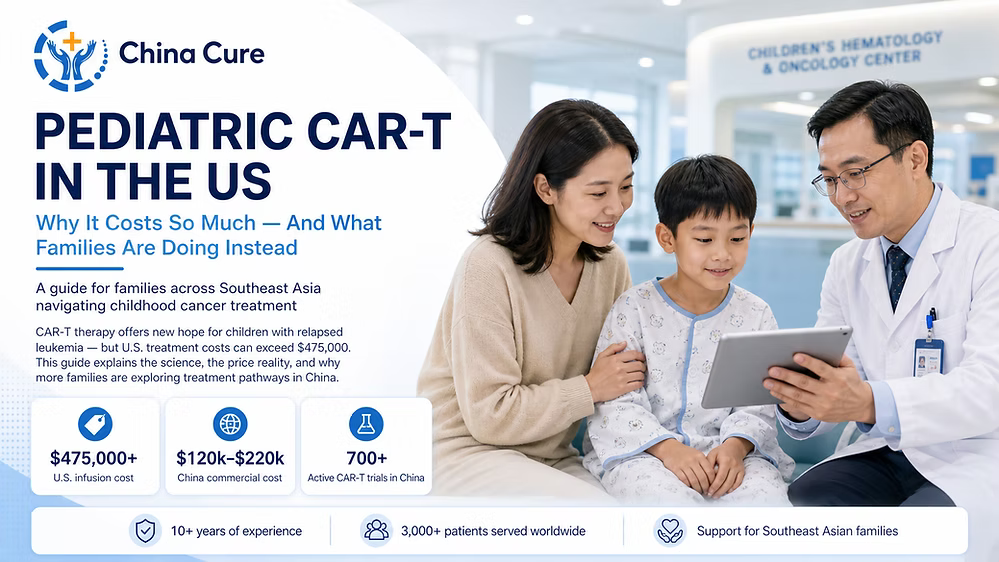
No honest discussion of transformation can ignore the enormous cost of CAR-T therapy, which remains a significant barrier for many families. A single infusion can cost four hundred thousand to six hundred thousand dollars, not including hospital stays, bridging therapy, or long-term follow-up. However, even this financial picture is transforming. Several manufacturers have introduced outcomes-based pricing, where insurance companies pay less if the child relapses within thirty days. Medicaid programs in most states now cover CAR-T therapy for eligible children, and nonprofit organizations like the Leukemia & Lymphoma Society offer copay assistance. The next frontier is reducing manufacturing costs through automated production platforms and allogeneic off-the-shelf CAR-T cells that could cost a fraction of current prices. The transformation is incomplete, but the direction is clear: a therapy that was once accessible only to wealthy families is slowly becoming available to every child who needs it, regardless of their family’s bank account. That is the kind of transformation that truly changes lives.
