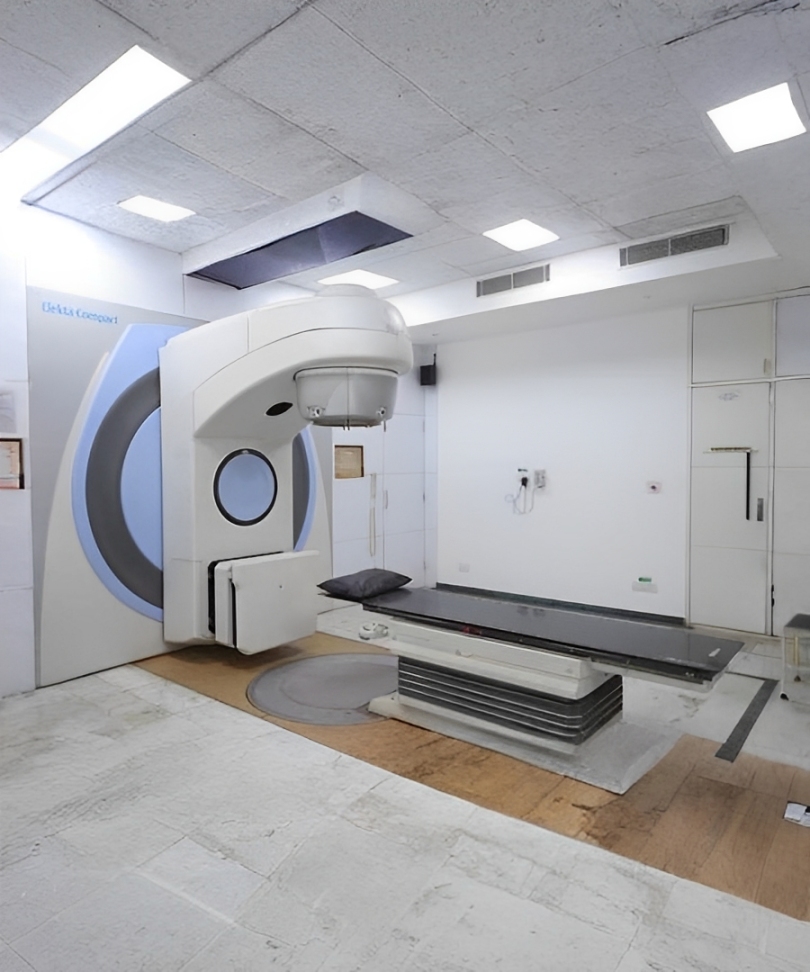
Cancer treatment has advanced rapidly in recent decades, offering patients more precise and effective options for managing the disease. One of the most important approaches in modern oncology is Cancer Radiation, which plays a central role in controlling tumor growth and improving long-term outcomes. It is widely used across different cancer types and stages, either alone or in combination with other treatments such as surgery and chemotherapy.
This form of treatment focuses on targeting cancer cells with high-energy beams, helping to destroy their ability to multiply while preserving as much healthy tissue as possible. With continuous improvements in medical technology, radiation-based care has become more accurate, safer, and increasingly personalized for patients.
Understanding How Cancer Radiation Therapy Works
Cancer radiation therapy works by delivering controlled doses of high-energy rays or particles directly to cancer cells. These energy waves damage the DNA inside the cells, preventing them from growing and dividing further. Over time, the damaged cancer cells die and are naturally eliminated by the body’s immune system.
Doctors carefully calculate the dose and direction of radiation based on tumor size, location, and type. Advanced imaging techniques such as CT scans and MRIs help ensure precise targeting, reducing the risk of harm to nearby healthy tissues.
Key mechanisms include:
- Direct DNA damage in cancer cells
- Prevention of tumor cell division
- Gradual shrinkage of cancerous growth
- Enhanced effectiveness when combined with other treatments
This precise and controlled approach makes radiation an essential component of modern cancer care strategies.
The Role of Treatment Planning and Medical Evaluation
Before starting therapy, patients undergo a detailed evaluation process. Doctors assess medical history, conduct diagnostic scans, and identify the exact characteristics of the tumor. This helps in creating a customized treatment plan that maximizes effectiveness while minimizing side effects.
The planning stage includes:
- Tumor mapping using imaging technology
- Identification of surrounding healthy organs
- Determining safe radiation dosage levels
- Designing session frequency and duration
This structured preparation ensures that each treatment session is carefully optimized for safety and success. It also helps doctors predict how the body will respond and adjust the plan when necessary.
How Radiation Therapy Supports Cancer Control
One of the most important benefits of treatment is its ability to control cancer progression. It is especially useful in cases where surgery alone cannot completely remove a tumor or when cancer is located in sensitive areas of the body.
It helps in:
- Shrinking tumors before surgery
- Destroying remaining cancer cells after surgery
- Preventing recurrence of cancer
- Managing tumors that cannot be surgically removed
This makes it a versatile and widely used option in oncology. Many patients experience significant improvement in symptoms and disease control after completing their treatment cycles.
Benefits and Effectiveness of Radiation Therapy
Modern medical advancements have significantly improved the success rate and safety of radiation therapy. Today’s systems are designed to deliver highly targeted doses, ensuring maximum impact on cancer cells while reducing exposure to healthy tissues.
Major benefits include:
- Non-invasive treatment approach
- High precision targeting of tumors
- Reduced risk of cancer recurrence
- Can be used in combination with other therapies
- Effective symptom relief in advanced cases
Patients often find that this treatment helps improve both survival rates and quality of life. It can also be used in palliative care to reduce pain and discomfort caused by tumor pressure on organs.
Common Side Effects and Patient Care
Although highly effective, radiation-based treatment can cause side effects depending on the area being treated and the total dosage. These effects are generally temporary and manageable with proper medical support.
Common side effects include:
- Fatigue and low energy levels
- Skin sensitivity or redness in treated areas
- Temporary hair loss in specific regions
- Mild swelling or discomfort
Doctors provide supportive care to help patients manage these symptoms effectively. Nutritional guidance, medication, and regular follow-ups ensure that recovery remains smooth throughout the treatment process.
Advanced Technology in Radiation Oncology Treatment
Modern radiation oncology treatment has transformed cancer care through the introduction of advanced technologies. These innovations allow doctors to deliver highly focused radiation beams with extreme precision.
Some of the most widely used technologies include:
- Intensity-Modulated Radiation Therapy (IMRT)
- Image-Guided Radiation Therapy (IGRT)
- Stereotactic Body Radiation Therapy (SBRT)
- Proton beam therapy in specialized cases
These technologies help reduce damage to surrounding healthy organs while increasing the effectiveness of tumor destruction. They also allow shorter treatment durations and faster recovery for many patients.
Multidisciplinary teams, including oncologists, radiologists, and medical physicists, work together to ensure each treatment plan is safe and effective. This collaborative approach has significantly improved patient outcomes in recent years.
Emotional and Psychological Support During Treatment
Cancer treatment is not only a physical journey but also an emotional one. Patients often experience stress, anxiety, and uncertainty during their treatment process. Emotional support plays a crucial role in improving overall well-being.
Support systems may include:
- Counseling and psychological therapy
- Family and caregiver involvement
- Patient support groups
- Stress management techniques
A strong support system helps patients stay positive and engaged throughout their treatment, which can also contribute to better recovery outcomes.
Importance of Choosing the Right Healthcare Facility
Selecting the right medical center is an important decision in a patient’s cancer journey. Access to advanced technology, experienced specialists, and comprehensive care can significantly influence treatment success.
Many patients research the Best cancer hospital in India to ensure they receive high-quality care, advanced radiation technology, and experienced oncology teams. These hospitals often provide integrated services under one roof, making treatment more coordinated and efficient.
Such facilities typically offer:
- Advanced diagnostic and treatment technologies
- Experienced cancer specialists and surgeons
- Personalized treatment planning
- Comprehensive post-treatment care
This combination of expertise and infrastructure plays a vital role in improving patient outcomes.
Recovery and Long-Term Monitoring
After completing radiation treatment, patients continue to undergo regular follow-ups. These visits help doctors monitor recovery, detect any signs of recurrence, and manage long-term side effects if they occur.
Post-treatment care includes:
- Routine imaging and blood tests
- Physical examinations
- Lifestyle and dietary recommendations
- Ongoing symptom management
Long-term monitoring ensures that patients remain healthy and any issues are addressed at an early stage. Many individuals are able to return to normal life activities gradually after completing their treatment.
Conclusion
Cancer radiation therapy is one of the most effective and widely used approaches in modern oncology for controlling and treating cancer growth. Its ability to precisely target cancer cells while preserving healthy tissues makes it an essential part of comprehensive cancer care.
With continuous advancements in medical science, treatment methods are becoming safer, more accurate, and more personalized than ever before. When combined with early diagnosis, proper planning, and expert medical care, patients have a significantly improved chance of recovery and long-term health.