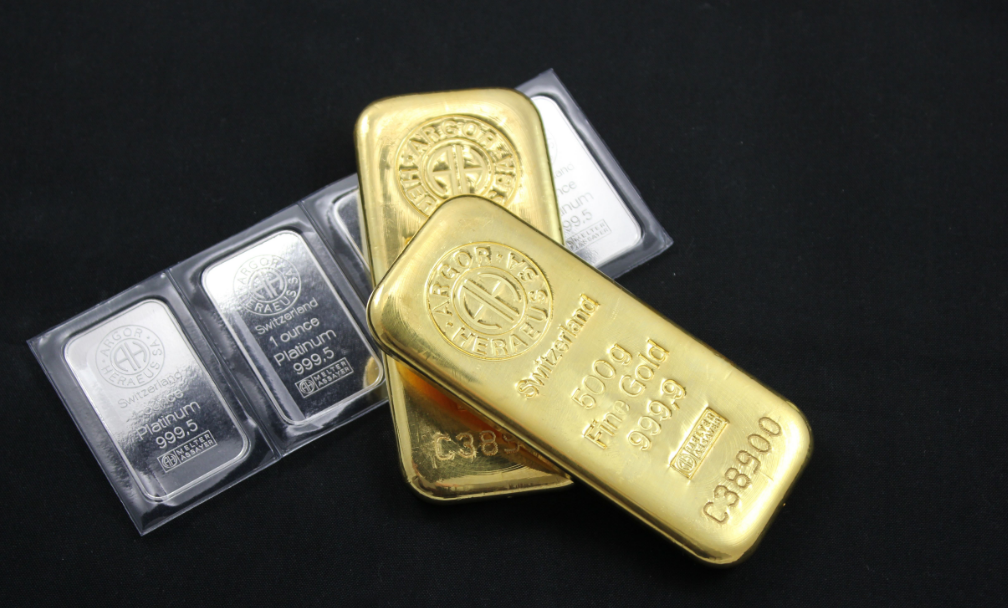
As we cross the midpoint of 2026, the financial landscape feels markedly different from the optimistic projections we saw at the start of the decade. For those with an eye on the exit—the retirement-focused investors who prioritize capital preservation over speculative moonshots—the conversation has shifted. If 2024 was about the AI boom and 2025 was about navigating a “soft landing,” 2026 has become the year of the great reassessment. Specifically, investors are looking at their portfolios and asking a difficult question: Is the traditional 60/40 split enough to survive the next decade of volatility?
The answer, for an increasing number of retirees, is etched in 24-karat yellow. Gold, which hit a staggering all-time high of $5,595 per ounce in January 2026 before settling into its current consolidation phase, is no longer seen as a “pet rock.” It is being reconsidered as a core strategic asset.
The Influence of Finance Gossips and Market Sentiment
In the high-stakes world of wealth management, what is said behind closed doors often matters as much as what is printed in the quarterly reports. Lately, the finance gossips circulating through the halls of Wall Street and the digital forums of high-net-worth investors suggest a growing distrust in the “permanent” strength of fiat-based systems. There are whispers of “unreported” central bank purchases—specifically by emerging market powerhouses—that are far larger than official WGC data suggests.
These finance gossips often focus on the potential for a “second wave” of inflation, driven by persistent energy costs and the massive fiscal deficits required to fund global infrastructure. When you hear traders speculating that the Fed under Chair Kevin Warsh might actually tolerate a 3% or 4% inflation floor rather than fighting back to 2%, it sends a shiver through the retirement community. For someone ten years from retirement, a 4% annual erosion of purchasing power is a catastrophic risk. This speculative chatter is a primary driver behind the sudden urgency to move a portion of “paper wealth” into “hard wealth.”
A Structural Shift: The “Floor” is Rising
The reassessment isn’t just driven by fear; it’s driven by a fundamental change in how the world’s most powerful institutions view gold.For decades, the US Treasury was the undisputed king of reserve assets. However, 2026 has marked a symbolic turning point. According to recent surveys, gold has effectively surpassed US Treasuries to become the world’s largest reserve asset by volume in several key central banks.
China, Poland, and India have been on a multi-year buying spree, with China’s net imports hitting 317 tons in the first quarter of 2026 alone. This creates a “structural floor” for the metal.Unlike the retail-driven “gold bugs” of the past, these institutional buyers are price-insensitive.They aren’t trying to time a swing trade; they are executing a multi-decade de-dollarization strategy.Retirement investors are taking note: if the world’s central banks are swapping paper for bullion, perhaps the individual saver should follow suit.
The Long Term Gold Investment Outlook
When evaluating the long term gold investment outlook, analysts are increasingly bullish, despite the current short-term volatility. Most major financial institutions, including J.P. Morgan and Goldman Sachs, have revised their targets upward for the late 2020s.While the spot price has seen a healthy 20% correction from its January peak—trading now in the $4,000 to $4,300 range—this is viewed by long-term planners as a tactical entry point rather than a signal of a bear market.
The long term gold investment outlook for 2026 through 2030 is supported by three main pillars:
- Limited Supply: Global mine production has remained largely flat since 2018.[7] With new discoveries taking 10 to 15 years to reach production, the supply side cannot simply “turn on the tap” to meet rising demand.[7]
- Negative Real Yields: Even with interest rates sitting between 3.5% and 4%, if inflation remains stubborn, the “real” return on bonds stays negligible. Gold, which carries no counterparty risk, becomes the preferred alternative.
- Currency Debasement: As global debt-to-GDP ratios reach historic highs, the “finance gossips” regarding sovereign debt restructuring are becoming louder. Gold is the only asset that cannot be printed or devalued by a government decree.
From ETFs to Physical Ownership: The New Retirement Strategy
Another reason for the 2026 reassessment is the “how” of gold investing. For years, investors were satisfied with gold ETFs (Exchange Traded Funds). But in the current climate, retirement-focused individuals are moving toward direct physical ownership.The rise of the “Gold IRA” has allowed retirees to hold actual bullion within a tax-advantaged framework.
The logic is simple: in a true systemic crisis, a digital claim on gold (an ETF) may not be as accessible or secure as physical bars held in a professional depository. This shift toward “tangible security” is a hallmark of the 2026 market. Investors are no longer just looking for a hedge against a bad week on the S&P 500; they are looking for a hedge against the very plumbing of the financial system.
Conclusion: Finding Balance in 2026
The reassessment of gold by retirement investors doesn’t mean a total abandonment of stocks and bonds.[1] Rather, it represents a move toward a more “resilient” portfolio. The old advice of a 5% allocation is being discarded in favor of 10% or even 15% in some conservative models.
As the finance gossips continue to swirl and the long term gold investment outlook remains fundamentally strong, the yellow metal has transitioned from a fringe asset to a necessary anchor. For those looking to retire in the late 2020s or 2030s, gold isn’t just a commodity—it’s the insurance policy for the rest of their lives.
FAQs for Retirement-Focused Gold Investors in 2026
1. Why is gold suddenly popular again in 2026 for retirees?
Retirees are reassessing gold due to persistent inflation, geopolitical instability in the Middle East, and a massive shift by central banks away from the US Dollar toward gold as a primary reserve asset.
2. What is the projected gold price for the end of 2026?
While forecasts vary, major institutions like J.P. Morgan and Goldman Sachs have set price targets ranging from $4,900 to $6,300 per ounce by late 2026 or early 2027.
3. Is it better to buy physical gold or a gold ETF for retirement?
In 2026, many retirees prefer physical gold (often through a Gold IRA) to eliminate “counterparty risk”—the risk that the institution managing an ETF might fail during a systemic crisis.
4. How much of my retirement portfolio should be in gold?
While traditional advice suggested 5%, many modern 2026 retirement models suggest a 10% to 15% allocation to gold to provide a sufficient buffer against currency debasement.
5. Are Gold IRAs legal and safe?
Yes, Gold IRAs are IRS-approved self-directed retirement accounts. They require a specialized custodian and the metal must be stored in an IRS-approved depository.
6. Does gold pay dividends or interest?
No, gold does not provide a yield. Its value in a retirement portfolio comes from capital appreciation and its ability to preserve purchasing power when other assets are declining.
7. How does the “de-dollarization” trend affect my investment?
As central banks buy more gold and fewer US Treasuries, it creates a permanent “floor” for gold prices, making it a more stable long-term anchor for a portfolio.
8. Is 2026 a good time to buy gold if the price has already risen?
Many analysts view the 2026 mid-year correction (the drop from $5,500 to $4,100) as a “tactical buying opportunity” for those with a 5-to-10-year investment horizon.
9. What are the tax implications of selling gold in retirement?
Physical gold is often taxed as a “collectible,” which can carry a higher rate. However, holding gold within a Gold IRA allows for tax-deferred growth or tax-free withdrawals (in the case of a Roth IRA).
10. What is the biggest risk to the long-term gold outlook?
A “Goldilocks” economy—where inflation drops to 2%, interest rates are high, and global peace is restored—would likely see gold prices consolidate or fall as the need for a “safe haven” diminishes.