

Let’s be real for a second: nobody moves to Switzerland for the cheap groceries. You move here for the unparalleled quality of life, the stunning Alpine weekends, and the highly competitive salaries. But the moment you settle in and receive your first few payslips, reality hits. The Swiss tax system can feel like an incredibly complex maze designed to confuse you.
Why does it feel so overwhelming? Because in Switzerland, you aren’t just paying one tax bill. The country operates on a deeply decentralized system where taxes are levied at three distinct levels: federal, cantonal, and communal (municipal). This means that a 15-minute train ride from Zurich to a neighboring municipality can drastically alter your annual tax liability.
For foreigners, the system is notoriously opaque. Navigating the rules of withholding tax, mandatory assessments, and global asset reporting can induce panic. But here is the good news: the Swiss tax code is also incredibly logical and rewards proactive planning. If you understand the rules of the game tax advisor for expats in 2026, you can leverage completely legal strategies to significantly reduce your tax burden.
Key Tax Rules For Foreign Residents

To optimize your taxes, you first need to know how the Swiss authorities classify you.
When you arrive in Switzerland on a B permit or L permit (and you are not married to a Swiss citizen), you are automatically placed on Quellensteuer, or withholding tax. This means your employer deducts your estimated tax directly from your monthly paycheck and remits it to the canton. For many expats, this feels easy and hands-off.
However, two major triggers pull you out of this simple withholding system and force you into a mandatory retroactive regular assessment (nachträgliche ordentliche Veranlagung or NOV):
- The CHF 120,000 Threshold: If your gross annual income exceeds CHF 120,000 (or CHF 500,000 in Geneva), you are legally required to file a full Swiss tax return the following year.
- Global Wealth Limits: Even if your salary is below the threshold, if your worldwide net worth (savings, investments, overseas property) exceeds your canton’s wealth tax limit, you must file a return.
Once you receive your C permit (permanent residency), the withholding tax stops entirely, and you are treated exactly like a Swiss citizen—meaning you receive your full gross salary and are responsible for paying your tax bill directly.
Best Legal Deduction Strategies
Once you are filing a regular tax return, the withholding tax’s “standard deductions” vanish. You are now playing in the major leagues, and you must claim every deduction you are legally entitled to.
- Commuting and Meals: You can deduct the cost of your commute (like your SBB GA travelcard) and a portion of your daily meals if you cannot reasonably eat at home.
- Continuing Education: If you are paying for courses, certifications, or a master’s degree directly related to your current career trajectory, these costs are highly deductible.
- Childcare and Alimony: Swiss tax law allows generous deductions for external childcare (crèches or nannies). Similarly, documented alimony and child support payments made to dependents abroad can drastically lower your taxable income bracket.
- Staggered Property Renovations: If you own a home in Switzerland, do not do all your renovations in one year. By staggering major repairs (like a new roof or heating system) over the December/January line, you split the costs across two fiscal years. This breaks the progression of your income tax bracket twice, doubling your tax relief.
Business & Freelancer Tax Advice
If you are an expat running a business, an independent contractor, or a freelancer, the rules change entirely. Switzerland is highly friendly to entrepreneurs, but a lack of optimization will cost you.
For owners of a Swiss AG or GmbH, the most critical strategy is the Salary vs. Dividend Split. If you pay yourself a massive salary, you will be hit with high personal income tax and heavy AHV (social security) contributions. If you pay yourself primarily in dividends, you skip the social security fees, but you trigger corporate profit taxes. A smart accountant will run the math based on your specific canton’s 2026 rates to find the perfect equilibrium, legally minimizing both your personal and corporate tax liabilities.
Additionally, home office deductions have become heavily scrutinized. To legally deduct a portion of your rent for a home office, the space must be a dedicated room used almost exclusively for business purposes—a laptop on your dining room table will not pass an audit.
Investment Tax Optimization
Switzerland offers one of the best tax environments in the world for private investors, primarily because private capital gains on movable assets are tax-free. If you buy Apple stock today and sell it for a massive profit next year, you do not pay a single franc of capital gains tax.
However, there is a dangerous trap here. If you trade too aggressively, use margin (leverage), or hold assets for very short periods, the cantonal tax office can reclassify you as a professional securities trader. If this happens, your tax-free capital gains are suddenly treated as self-employment income. You will be hit with retroactive income taxes and AHV contributions on all your profits. To avoid this, keep your trading volume reasonable and avoid relying heavily on borrowed money to invest.
Furthermore, remember that Switzerland has a wealth tax. Every stock, bond, crypto wallet, and foreign property you own worldwide contributes to your global net worth and is taxed annually at a cantonal level.
Retirement & Pension Tax Savings
This is where the biggest news for 2026 comes in. Swiss retirement is built on three pillars: State (Pillar 1), Occupational (Pillar 2), and Private (Pillar 3a).
Voluntary buy-ins to your Pillar 2 pension fund have always been a fantastic way to legally shelter money from the wealth tax and reduce your current-year income tax. But the game-changer in 2026 revolves around Pillar 3a.
Historically, if you missed contributing to your private Pillar 3a in any given year, that deduction opportunity was lost forever. As of January 1, 2026, the law has fundamentally changed. You can now make retroactive top-up payments to cover missing contribution gaps, going back as far as 2025.
If you had a gap in 2025, you can now pay the regular 2026 maximum contribution (around CHF 7,258 if you have a pension fund), plus buy back your 2025 gap in the same year. This allows high earners to legally execute a double deduction in a peak earnings year, causing their taxable income to plummet.
Avoiding Common Expat Tax Mistakes
The easiest way to save money on taxes is to avoid the crushing penalties that come with careless mistakes. Here is where expats get burned the most:
- Hiding Offshore Assets: We live in the era of the Automatic Exchange of Information (AEoI). The Swiss government receives automated financial data from dozens of countries. If you have an undeclared brokerage account in London or a rental property in Berlin, they will find out. Always declare your global assets. Swiss double-taxation treaties ensure you aren’t taxed twice; they just use the value to determine your overall rate.
- Misunderstanding RSUs: If you work in tech or pharma, you likely receive Restricted Stock Units. In Switzerland, RSUs are taxed as income the moment they vest, not when you sell them. Many expats fail to report vesting schedules correctly, leading to massive tax recalculations down the road.
- US Citizen Pitfalls: If you hold an American passport or green card, you must file in both countries. Failing to align your Swiss taxes with US FATCA and FBAR requirements is a recipe for disaster.
Digital Tax Trends In Switzerland
In 2026, the Swiss tax landscape is more digital than ever. The days of mailing massive stacks of physical receipts to the cantonal office are over. Most cantons now operate on highly efficient eTax portals.
This digital shift means the tax authorities process data faster and compare your filings against cantonal averages using automated algorithms. If your deductions for “professional travel” are 400% higher than the average software engineer in your zip code, an algorithm will automatically flag your file for a human audit. Precision and digital record-keeping tax in switzerland for foreigners are no longer optional.
Choosing Tax Software Vs Advisors
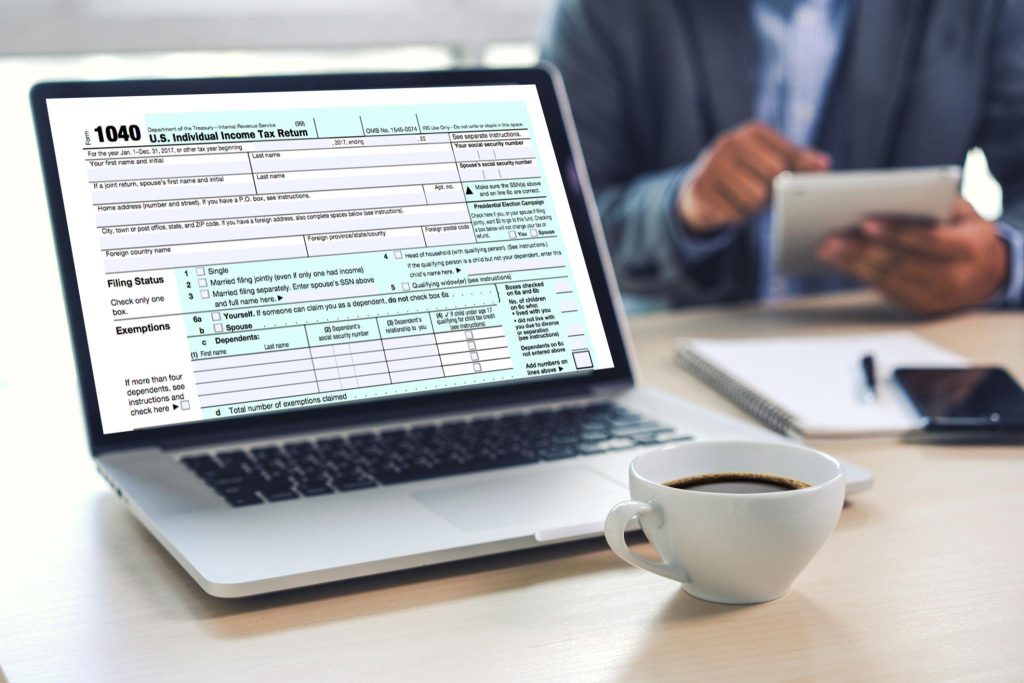
With the rise of sleek digital tax apps, many expats wonder if they even need a professional. The answer depends entirely on the complexity of your life.
If your income is under CHF 120,000, you have no foreign real estate, you don’t receive corporate equity, and you rent an apartment, digital tax software is perfectly fine. It will save you money and get the job done.
However, if you cross that six-figure threshold, own international property, receive RSUs, or run a business, DIY software is a massive liability. At this level, you don’t need a data-entry clerk; you need a strategic tax advisor for expats. A specialized fiduciary (Treuhand) will utilize double-taxation treaties, structure your Pillar 2/3a buy-ins, and defend you during an audit. In complex situations, a great advisor routinely saves you significantly more money than their hourly fee.
Final Tax Saving Strategies
Taxes in Switzerland do not have to be a source of anxiety, nor do they have to drain your wealth. The key to mastering tax in Switzerland for foreigners is shifting from a reactive mindset to a proactive one.
Do not wait until February to start thinking about your taxes. By then, the fiscal year is closed, and your options are zero. Sit down in October or November, review your income trajectory, maximize your 2026 retroactive Pillar 3a contributions, and strategically time any major deductions. By taking control of your financial narrative year-round, you can legally protect your hard-earned wealth and fully enjoy the prosperity that brought you to Switzerland in the first place.