HDPE liners are becoming very popular in agricultural and mining projects. These liners are made from a strong plastic called high-density polyethylene. They help keep water in, protect the soil, and prevent chemicals from leaking into the ground. JRX, our company, specializes in making these liners to help farmers and miners get the most from their projects. When it comes to cost, it’s important to think about how well these liners perform in different situations. This guide will explain how HDPE liners can enhance performance in agriculture and what benefits they bring to mining operations.
How HDPE Liners Enhance Performance in Agricultural Applications
In agriculture, HDPE liners play a crucial role. They can create ponds or reservoirs to store water for irrigation. This is really important in dry areas where water is scarce. With an HDPE liner, farmers can collect rainwater and use it when they need it. This helps crops grow better. Also, these liners protect against soil erosion, which can happen when it rains heavily. For farmers, this means they can keep their land healthy and productive.
Another benefit of HDPE liners is that they help prevent contamination. If farmers use chemicals to protect their crops, these chemicals can sometimes leak into the soil or water supply. But with a strong HDPE liner, this risk is reduced. It keeps chemicals contained, so they don’t harm the environment. Also, HDPE liners are UV resistant, which means they won’t break down easily in sunlight. This makes them last longer and saves farmers money in the long run.
An example of successful use is in aquaculture, where fish are raised in controlled environments. Using HDPE liners in fish ponds helps maintain clean water, which is essential for fish health. This leads to better growth rates and healthier fish, which can be sold for a profit. Farmers who invest in HDPE liners often see better yields from their crops and livestock. JRX’s liners make these benefits possible, allowing agricultural projects to thrive.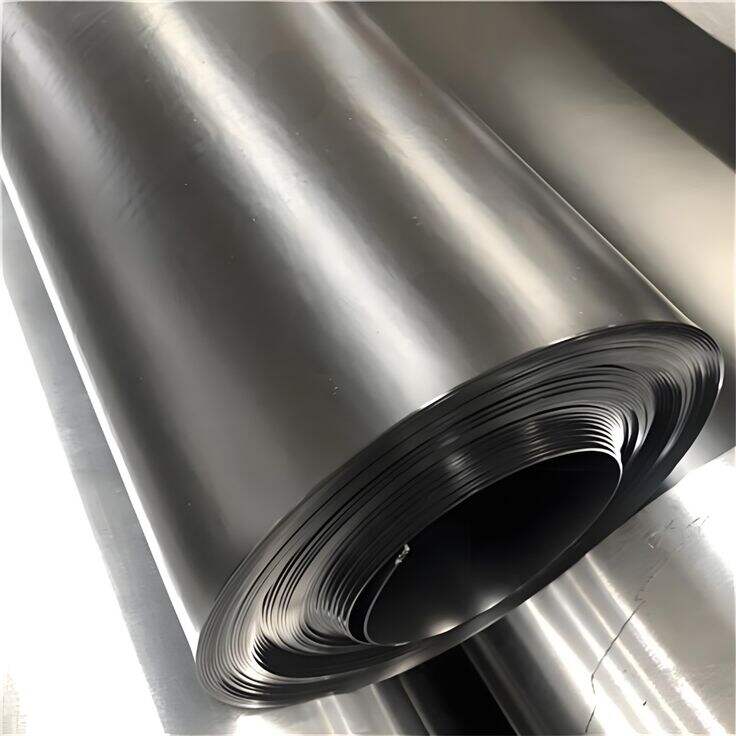
What Are the Key Benefits of Using HDPE Liners in Mining Operations
Mining operations face unique challenges, and HDPE liners can help with many of them. One of the biggest benefits is preventing leaks. When miners extract minerals, they often use chemicals to help with the process. If these chemicals leak into the ground, they can cause serious environmental problems. HDPE liners act as a barrier that keeps these harmful substances contained. This not only protects the environment but also helps mining companies follow regulations.
Another advantage is that HDPE liners are very strong and durable. They can withstand harsh conditions like extreme temperatures and heavy loads. This means they won’t tear or break easily, which is important in mining sites where heavy machinery is used. By using HDPE liners, mining companies can reduce the risk of costly repairs and environmental cleanups.
Moreover, HDPE liners help with water management. In mining, water is often used to separate valuable minerals from waste. After the process, the water can be stored in lined ponds. This helps ensure that any leftover chemicals don’t contaminate local water sources. JRX provides liners that are designed to be easy to install and maintain, making them a great choice for mining operations looking to improve efficiency and safety.
In summary, the use of HDPE liners in both agricultural and mining projects offers many benefits. They help protect the environment, enhance performance, and can save money in the long term. With JRX’s high-quality liners, farmers and miners can feel confident that they are making a smart investment for their projects.
How to Choose the Right HDPE Liner for Your Agricultural Needs
When it comes to farming and agriculture, choosing the right materials is very important. One of these materials is the HDPE liner. HDPE stands for High-Density Polyethylene. It is a strong plastic that is used in many ways, like holding water or protecting the ground. If you need a liner for your agricultural project, here are some tips to help you choose the right one.
First, think about the size of the area you need to cover. If you have a small area, you might need a thinner liner. For larger areas, a thicker liner is better because it is stronger and can hold more pressure. JRX offers different thicknesses of HDPE liners, so you can find one that fits your needs. Next, consider what you will put in the liner. If you are using it for a pond or water storage, make sure the liner is safe for holding water. Some HDPE liners are made specially for this purpose.
Another important factor is the climate where you live. If you have a lot of sunlight, choose a liner that can handle UV rays. UV rays can make some materials break down faster. JRX liners are made to resist sunlight, making them last longer. Also, think about the soil type in your field. Some soils can be sharp or rough, which might damage a thinner liner. Make sure to pick a liner that is strong enough for your soil type.
Lastly, look at the cost. While you want a good quality liner, you also need to stay within your budget. JRX offers affordable options without sacrificing quality. Remember, spending a little more for a good liner can save you money in the long run by preventing leaks and repairs. By considering size, use, climate, soil type, and cost, you can choose the right HDPE liner for your agricultural project.
Common Usage Issues with HDPE Liners and How to Overcome Them
Using HDPE liners can be very helpful for agricultural projects, but sometimes there are problems. Understanding these issues can help you avoid them or fix them quickly. One common problem is punctures or tears in the liner. This can happen if sharp objects are in the soil or if equipment accidentally hits the liner. To prevent this, make sure to clear the area where you will install the liner. Remove any rocks or sharp debris. You can also lay down a protective layer, like sand, before putting the liner down.
Another issue is water pooling or flooding. If water collects on top of the liner, it can create pressure that may cause it to bulge or even break. To solve this, make sure there is proper drainage around the liner. You can add drains or channels that help water flow away from the liner. JRX geogrid retaining walls systems liners are designed to handle some water pressure, but good drainage will help keep everything safe.
Sometimes, people also worry about the liner’s connection points. If two pieces of liner are connected, it could be a weak spot. To fix this, ensure that you use the right welding techniques when joining the liners. JRX offers training and guidance on how to properly connect liners to make sure they are strong.
Also, temperature changes can affect HDPE liners. In very hot or very cold weather, the liner can expand or contract. This movement can cause stress on the material. To help with this, always choose a liner that is designed to withstand temperature changes. JRX liners are made with this in mind, reducing the risk of damage. By being aware of these common issues and taking steps to prevent them, you can ensure that your HDPE liner works effectively for your agricultural needs.
How Do HDPE Liners Compare to Alternatives in Performance and Cost
When choosing a liner for your agricultural project, it’s important to know how HDPE liners stack up against other options. HDPE liners have many advantages that make them a great choice. First, let’s talk about performance. HDPE liners are very strong and durable. They can withstand a lot of pressure without breaking. This is especially important if you are storing water or other liquids. Compared to alternatives like PVC liners, HDPE liners are less likely to tear or puncture. This polypropylene geogrid means fewer repairs and less worry for you.
Cost is another big factor to consider. While some alternatives may seem cheaper at first, they often don’t last as long as HDPE liners. If you have to replace a lower-quality liner frequently, you end up spending more money in the long run. JRX offers HDPE liners at competitive prices, making them a smart choice for both performance and budget. Since they are so durable, you can save money by not needing to replace them often.
Conclusion
Another benefit of HDPE liners is their resistance to chemicals. If you are using fertilizers or pesticides in your agricultural project, HDPE can handle those without breaking down. This polyester geogrid is not always true for other types of liners. The ability to resist chemicals means that your HDPE liner will last longer and protect the environment better.
HDPE liners offer excellent performance and cost-effectiveness compared to other options. By choosing JRX HDPE liners, you are making a smart choice for your agricultural needs. You get a strong, durable product that saves you money over time and keeps your project running smoothly.