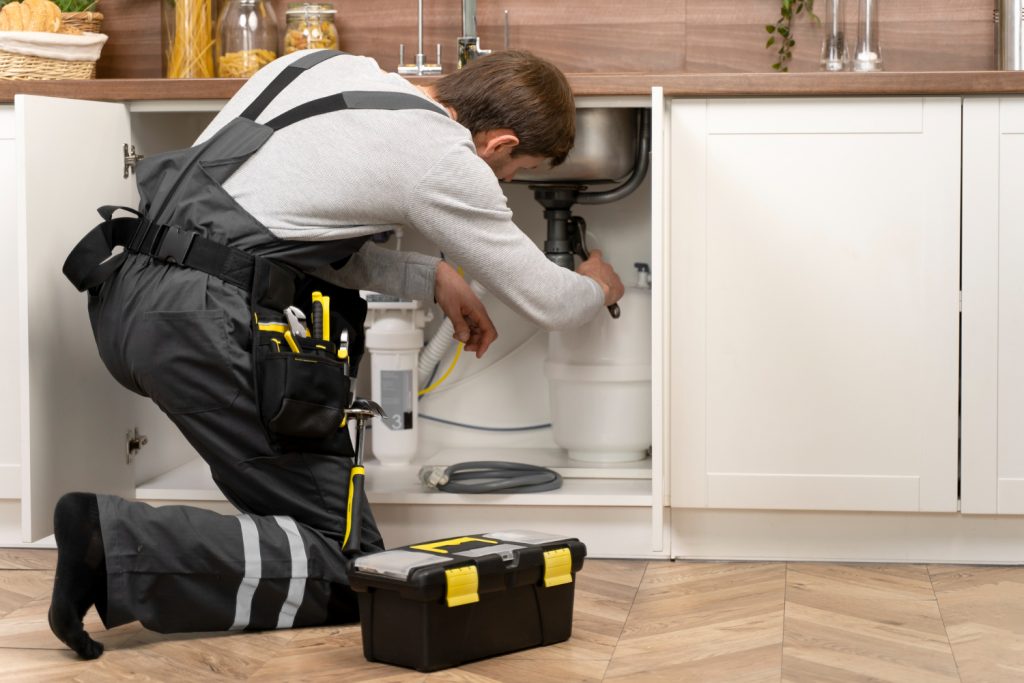
Keeping any property in excellent condition requires consistent care and planning. Whether you own a residential property or manage a commercial building, Maintenance Services play a vital role in preserving safety, functionality, and long-term value. Regular inspections and preventive maintenance help reduce unexpected repair costs, improve energy efficiency, and create a comfortable environment for occupants. A well-structured checklist ensures that no essential task is overlooked throughout the year.
Why Maintenance Services Matter
Routine property maintenance is more than fixing issues when they arise. Preventive care extends the lifespan of building systems, reduces operational expenses, and minimizes disruptions.
For homeowners, regular upkeep protects one of their biggest investments. For commercial property owners, it creates a safer workplace, enhances customer satisfaction, and helps comply with safety regulations.
Benefits of regular maintenance include:
- Prevents expensive emergency repairs
- Improves property appearance
- Enhances occupant safety
- Increases energy efficiency
- Extends equipment lifespan
- Maintains property value
Essential Exterior Maintenance Checklist
The exterior is the first line of defense against weather and environmental damage.
Roof Inspection
Inspect the roof at least twice a year to identify:
- Missing or damaged shingles
- Water leaks
- Moss or algae growth
- Damaged flashing
- Clogged roof drainage
Early repairs prevent structural damage and costly replacements.
Gutters and Downspouts
Clean gutters regularly to ensure proper drainage.
Tasks include:
- Removing leaves and debris
- Checking for leaks
- Securing loose brackets
- Ensuring water flows away from the foundation
Exterior Walls
Inspect siding, brickwork, or stucco for:
- Cracks
- Moisture damage
- Peeling paint
- Mold growth
Timely repairs help maintain structural integrity.
Windows and Doors
Check for:
- Broken seals
- Drafts
- Damaged weather stripping
- Faulty locks
- Cracked glass
Well-maintained windows improve insulation and security.
Interior Maintenance Checklist
Indoor spaces require ongoing attention to maintain comfort and safety.
Walls and Ceilings
Inspect for:
- Water stains
- Cracks
- Mold
- Paint damage
Address moisture issues immediately to prevent further deterioration.
Flooring
Regular flooring maintenance includes:
- Deep cleaning
- Repairing loose tiles
- Refinishing hardwood floors
- Replacing worn carpets
Proper care extends flooring life significantly.
Lighting Systems
Ensure all lighting fixtures function properly by:
- Replacing burned-out bulbs
- Cleaning fixtures
- Inspecting wiring
- Upgrading to energy-efficient LED lighting
HVAC System Maintenance
Heating, ventilation, and air conditioning systems require scheduled servicing.
Air Filter Replacement
Replace air filters every one to three months depending on usage.
Clean filters improve:
- Indoor air quality
- Energy efficiency
- Equipment lifespan
Professional HVAC Inspection
Annual inspections should include:
- Thermostat testing
- Refrigerant level checks
- Coil cleaning
- Duct inspection
- Electrical connection testing
Preventive servicing helps avoid costly breakdowns during peak seasons.
Plumbing Maintenance Checklist
Proper plumbing maintenance prevents water damage and expensive repairs.
Check for Leaks
Inspect:
- Faucets
- Pipes
- Water heaters
- Toilets
- Under-sink plumbing
Even small leaks can waste significant amounts of water over time.
Drain Cleaning
Keep drains clear by:
- Removing debris
- Using drain strainers
- Flushing drains periodically
- Avoiding grease buildup
Regular cleaning prevents clogs and unpleasant odors.
Water Heater Inspection
Inspect annually for:
- Corrosion
- Sediment buildup
- Pressure relief valve function
- Temperature settings
Routine servicing improves efficiency and extends equipment life.
Electrical System Maintenance
Electrical safety should never be overlooked.
Inspect Electrical Panels
Check for:
- Loose breakers
- Overloaded circuits
- Corrosion
- Signs of overheating
Professional inspections help identify hidden hazards.
Test Safety Devices
Ensure the following work correctly:
- Smoke detectors
- Carbon monoxide detectors
- Ground fault circuit interrupters (GFCIs)
- Emergency lighting
Replace batteries as recommended.
Commercial Property Maintenance Checklist
Commercial buildings often have additional maintenance requirements.
Parking Areas
Inspect parking lots for:
- Cracks
- Potholes
- Faded markings
- Drainage issues
Well-maintained parking areas improve customer safety and appearance.
Elevators
Schedule regular inspections to ensure:
- Safe operation
- Compliance with regulations
- Smooth performance
- Emergency systems functionality
Fire Safety Equipment
Maintain:
- Fire extinguishers
- Fire alarms
- Sprinkler systems
- Emergency exits
Routine testing ensures compliance with local safety codes.
Seasonal Maintenance Checklist
Seasonal inspections reduce weather-related damage.
Spring
Focus on:
- Roof inspection
- Gutter cleaning
- HVAC servicing
- Landscaping
- Exterior pressure washing
Summer
Complete tasks such as:
- Irrigation system inspection
- Window cleaning
- Deck maintenance
- Pest control
Fall
Prepare for colder months by:
- Cleaning gutters
- Inspecting heating systems
- Sealing windows
- Trimming trees
Winter
Winter maintenance includes:
- Snow removal planning
- Pipe insulation
- Roof snow monitoring
- Heating system checks
Preventive Maintenance Tips
Creating a preventive maintenance schedule improves consistency.
Helpful practices include:
- Maintain detailed inspection records.
- Schedule professional inspections annually.
- Address minor issues before they worsen.
- Use quality replacement materials.
- Train maintenance staff on safety procedures.
- Keep emergency repair contacts readily available.
A maintenance calendar helps ensure every task is completed on time.
Common Maintenance Mistakes to Avoid
Many property owners unknowingly increase repair costs by making avoidable mistakes.
These include:
Ignoring Small Problems
Minor leaks, cracks, or electrical issues often become major repairs if neglected.
Delaying Routine Inspections
Regular inspections identify hidden problems before they become expensive emergencies.
Skipping Professional Servicing
Complex systems such as HVAC, plumbing, and electrical equipment should be inspected by qualified professionals.
Poor Record Keeping
Documenting repairs and inspections helps track recurring issues and simplifies future maintenance planning.
How Technology Improves Property Maintenance
Modern technology has made property management more efficient.
Digital maintenance software helps owners:
- Schedule inspections
- Track repair history
- Receive maintenance reminders
- Monitor equipment performance
- Manage maintenance budgets
Smart sensors can also detect water leaks, temperature changes, and equipment failures before serious damage occurs.
Building an Effective Maintenance Schedule
An organized schedule should include:
- Daily inspections
- Weekly cleaning tasks
- Monthly equipment checks
- Quarterly preventive maintenance
- Annual professional inspections
Assign responsibilities clearly and review the checklist regularly to ensure consistent completion.
Conclusion
A comprehensive property maintenance checklist helps homeowners and commercial property managers protect their investments while improving safety, efficiency, and occupant satisfaction. Regular inspections, preventive repairs, and seasonal planning significantly reduce long-term expenses and extend the lifespan of essential building systems. By following a structured maintenance plan throughout the year, you can keep your property operating at its best and avoid unnecessary disruptions. For dependable property care solutions and professional support, StayBnB is committed to helping clients maintain homes and commercial spaces with reliable, high-quality maintenance expertise.