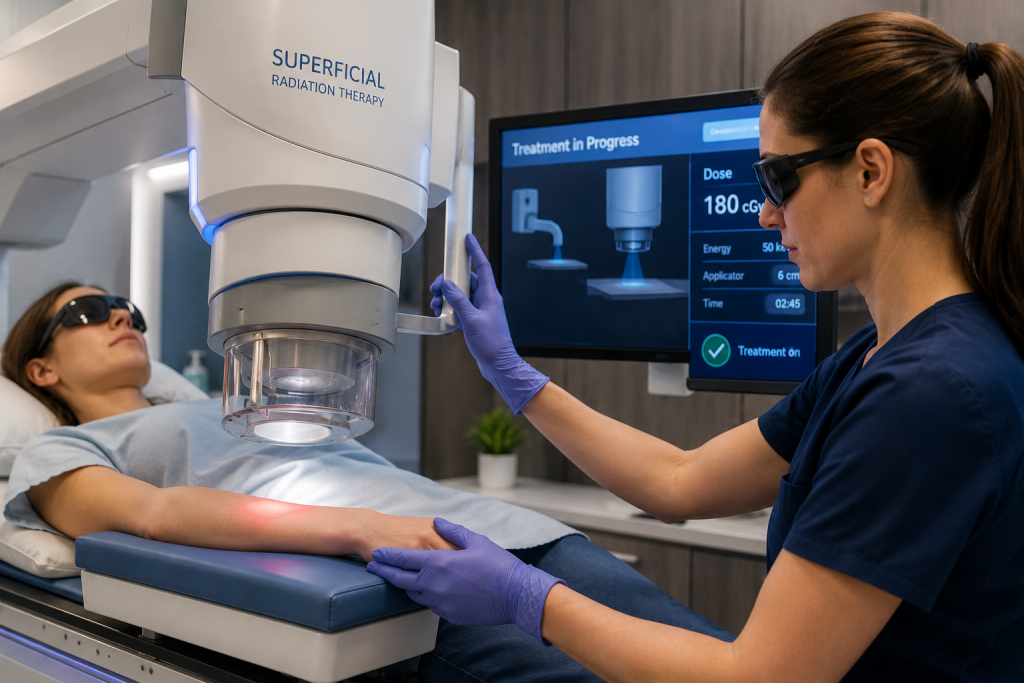
Superficial Radiation Therapy Systems are becoming increasingly important in modern dermatology and oncology care. As healthcare providers continue to look for non-invasive treatment options for skin-related cancers and lesions, these systems are gaining wider clinical acceptance across hospitals, dermatology centers, and ambulatory surgical facilities. Their ability to deliver targeted radiation while minimizing damage to surrounding tissues has made them a preferred option for selected patients requiring localized treatment.
The increasing prevalence of non-melanoma skin cancers, along with rising awareness regarding early-stage treatment, is contributing to the growing adoption of superficial radiation therapy systems in several healthcare settings worldwide.
The Expanding Role of Non-Invasive Radiation-Based Treatments
Non-invasive treatment methods have transformed many areas of healthcare, particularly oncology and dermatology. Superficial radiation therapy systems are designed to treat conditions located close to the skin surface by delivering low-energy radiation directly to affected tissues. Unlike traditional surgical interventions, these systems help avoid incisions, stitches, and longer recovery periods.
This treatment approach is especially useful for elderly patients, individuals with underlying medical conditions, or patients seeking alternatives to surgery for cosmetic or medical reasons. The technology is commonly used for basal cell carcinoma, squamous cell carcinoma, keloid scars, and several other superficial skin conditions.
According to the report published by MarkNtel Advisors, the Superficial Radiation Therapy Systems Market includes applications across hospitals, ambulatory surgical centers, cancer research institutes, and dermatology centers during the forecast period of 2015–2025.
Why Healthcare Providers Are Increasingly Using These Systems
One of the major advantages of superficial radiation therapy systems is precision. These devices are engineered to focus radiation only on the affected skin layers while protecting nearby healthy tissues. This targeted approach supports effective treatment outcomes with fewer complications and limited discomfort for patients.
Another important factor supporting adoption is the growing demand for outpatient care solutions. Many superficial radiation therapy procedures can be performed without extended hospitalization, which helps healthcare facilities improve operational efficiency while offering convenient treatment options to patients.
The increasing incidence of skin cancers globally is also influencing healthcare investment in advanced dermatological treatment technologies. Many clinics are integrating non-invasive radiation systems into their treatment portfolios to support early intervention and personalized patient care. The American Cancer Society continues to highlight the importance of early detection and effective treatment approaches for skin cancer management, particularly for non-melanoma cases that continue to rise globally.
Applications Across Dermatology and Oncology Practices
Superficial radiation therapy systems are widely used in dermatology clinics for treating localized skin abnormalities. Basal cell carcinoma and squamous cell carcinoma remain among the most common treatment applications because these cancers typically affect the upper layers of the skin.
The systems are also utilized for managing conditions such as psoriasis, Bowen disease, cutaneous T-cell lymphoma, Kaposi sarcoma, and keloid scars. Their flexibility across multiple dermatological and oncology applications contributes to broader adoption across healthcare institutions.
Healthcare professionals often consider these systems when surgery may not be suitable due to patient age, lesion location, or cosmetic considerations. Facial lesions, for example, may benefit from radiation-based treatment approaches that minimize visible scarring. The National Cancer Institute provides extensive clinical information regarding radiation therapy technologies and their role in cancer treatment planning and patient care management.
Regional Adoption and Healthcare Infrastructure Development
North America continues to represent a significant share of superficial radiation therapy system adoption due to advanced healthcare infrastructure, higher awareness regarding skin cancer screening, and strong access to specialized oncology services. Countries such as the United States and Canada continue to invest in radiation-based treatment technologies across outpatient and hospital settings.
Europe is also witnessing increasing use of non-invasive dermatological treatment systems as healthcare systems focus on early cancer diagnosis and minimally invasive procedures. Meanwhile, Asia-Pacific countries including China, India, Japan, and Australia are gradually expanding healthcare infrastructure and improving access to specialized oncology care.
Growing healthcare expenditure and increasing awareness regarding skin health are supporting market expansion in emerging economies. Improved diagnostic capabilities are also contributing to earlier identification of skin lesions that may require localized treatment. The World Health Organization emphasizes the importance of strengthening cancer care infrastructure and improving access to effective treatment technologies worldwide.
Challenges Affecting Wider Adoption
Despite growing interest in superficial radiation therapy systems, several challenges continue to affect broader implementation. One major limitation is the high cost associated with advanced radiation equipment installation and maintenance. Smaller healthcare facilities may face financial barriers when investing in specialized treatment systems.
Training requirements also remain important because radiation therapy systems require skilled healthcare professionals for safe and effective operation. Regulatory compliance, radiation safety standards, and treatment planning protocols add additional operational complexity for healthcare providers.
Patient awareness also varies across regions. In some healthcare markets, surgical intervention remains the more commonly recognized treatment approach for skin cancer management, which can slow adoption of alternative non-invasive therapies.
However, ongoing technological advancements, improved imaging integration, and growing clinical experience may support broader acceptance of superficial radiation therapy systems in the coming years. The International Atomic Energy Agency supports initiatives focused on improving access to safe and effective radiation medicine technologies for cancer treatment and healthcare development.
Competitive Landscape and Key Companies
The competitive landscape for superficial radiation therapy systems includes companies focused on radiation technology innovation, treatment precision, and healthcare integration. According to the report provided, key companies operating within this space include Sensus Healthcare and Xstrahl Limited.
These organizations continue to focus on product development, strategic collaborations, and expanding their presence across hospitals, dermatology clinics, and cancer treatment centers. Advancements in treatment planning software and compact radiation systems are also contributing to evolving competition within the sector.
As healthcare systems increasingly prioritize non-invasive and patient-centered care, companies involved in superficial radiation therapy technologies may continue expanding their research and development activities to improve treatment efficiency and accessibility.
Superficial radiation therapy systems are expected to remain an important part of non-invasive oncology and dermatology treatment strategies. As healthcare providers continue emphasizing early diagnosis, outpatient care, and patient comfort, these technologies may play a larger role in treating localized skin conditions across global healthcare systems. Continued advancements in radiation precision, healthcare infrastructure, and clinical awareness could further support the integration of superficial radiation therapy systems into routine dermatological and oncology practices worldwide.