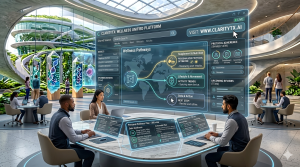
As commercial buildings become increasingly complex, facility owners and managers face growing pressure to reduce energy costs, improve occupant comfort, and meet sustainability goals. Traditional building management approaches often rely on periodic inspections and reactive maintenance, which can leave significant performance issues undetected for months or even years. Today, advanced technologies such as building performance monitoring software, smart building IoT platforms, and Optimization-as-a-Service (OaaS) solutions are transforming the way facilities are managed.
These technologies enable continuous visibility into building operations, helping organizations make data-driven decisions that improve efficiency, reliability, and long-term asset performance.
The Evolution of Building Performance Management
Modern buildings generate enormous amounts of operational data from HVAC systems, lighting controls, energy meters, sensors, security systems, and automation platforms. However, data alone does not create value. The challenge lies in converting this information into actionable insights that improve performance.
Building performance management has evolved from manual data collection and periodic audits to real-time monitoring and automated analytics. Facility teams can now identify problems as they occur, optimize equipment operation continuously, and make proactive decisions that reduce operating costs.
This shift has made advanced monitoring and optimization technologies essential tools for building owners seeking competitive advantages in operational efficiency and sustainability.
What Is Building Performance Monitoring Software?
Building performance monitoring software is designed to collect, analyze, and visualize operational data from various building systems. The software provides facility managers with a centralized view of equipment performance, energy consumption, environmental conditions, and system health.
Key functions typically include:
- Real-time energy monitoring
- HVAC performance tracking
- Fault detection and diagnostics
- Utility consumption analysis
- Occupancy-based performance monitoring
- Automated reporting and dashboards
- Benchmarking and trend analysis
Rather than waiting for occupant complaints or equipment failures, building operators can identify performance issues early and take corrective action before costs escalate.
For example, monitoring software may detect a malfunctioning air handling unit that is consuming excessive energy or identify simultaneous heating and cooling occurring within a building zone. These insights allow operators to address inefficiencies quickly and maintain optimal performance.
The Rise of Smart Building IoT Platforms
The Internet of Things (IoT) has revolutionized building operations by enabling connected devices to communicate and share information in real time. Smart building IoT platforms serve as the foundation for this connectivity by integrating data from sensors, meters, controllers, and building systems into a unified environment.
IoT sensors can monitor numerous building conditions, including:
- Temperature
- Humidity
- Carbon dioxide levels
- Occupancy
- Air quality
- Equipment vibration
- Energy consumption
- Water usage
By collecting data continuously, smart building platforms provide unprecedented visibility into facility operations. Facility managers can access performance information from virtually anywhere and respond to issues more effectively.
One of the greatest advantages of IoT technology is its ability to uncover hidden inefficiencies. For example, occupancy sensors may reveal that certain conference rooms are rarely used, allowing HVAC schedules to be adjusted accordingly. Similarly, indoor air quality sensors can help optimize ventilation rates to improve comfort while minimizing energy use.
Data-Driven Decision Making
Traditional facility management often relies on assumptions or limited data when making operational decisions. Smart building technologies replace guesswork with real-time intelligence.
Building performance monitoring software and IoT platforms enable organizations to:
- Identify energy waste
- Track equipment efficiency
- Predict maintenance requirements
- Improve occupant comfort
- Validate energy-saving projects
- Support sustainability reporting
Access to accurate and timely information allows facility teams to prioritize resources effectively and maximize return on investment.
Understanding Optimization-as-a-Service (OaaS)
Optimization-as-a-Service represents the next evolution in building performance management. Rather than relying solely on internal resources, organizations partner with building performance experts who continuously monitor and optimize facility operations using advanced software and analytics.
OaaS combines technology, data analysis, engineering expertise, and ongoing support into a comprehensive service model.
Typical OaaS programs include:
- Continuous building performance monitoring
- Remote system diagnostics
- Energy analytics
- HVAC optimization
- Utility cost reduction strategies
- Performance reporting
- Ongoing recommendations for improvement
Instead of conducting a one-time energy audit, OaaS providers continuously identify opportunities to improve efficiency and sustain savings over time.
Benefits of Optimization-as-a-Service
Continuous Performance Improvement
Building performance is dynamic. Occupancy patterns, weather conditions, equipment performance, and utility rates change constantly. OaaS ensures that optimization efforts evolve with these changes.
Reduced Energy Costs
Many buildings experience operational drift, where systems gradually become less efficient over time. Continuous monitoring and optimization help maintain peak efficiency and reduce utility expenses.
Lower Maintenance Costs
Early detection of equipment issues allows maintenance teams to address problems before they result in costly failures or emergency repairs.
Improved Occupant Experience
Optimized building systems provide more consistent temperatures, better ventilation, and enhanced indoor environmental quality, contributing to greater occupant satisfaction and productivity.
Scalability Across Multiple Facilities
Organizations with multiple buildings can use OaaS solutions to standardize performance monitoring and optimization practices across their entire portfolio.
Supporting Sustainability Goals
Sustainability has become a strategic priority for many organizations. Building performance monitoring software, IoT platforms, and OaaS programs provide the data necessary to measure and improve environmental performance.
These technologies help organizations:
- Reduce greenhouse gas emissions
- Improve energy efficiency
- Lower water consumption
- Support environmental reporting requirements
- Meet corporate sustainability targets
Continuous visibility into resource consumption enables organizations to demonstrate measurable progress toward environmental objectives.
Conclusion
The future of facility management is increasingly driven by data, connectivity, and continuous optimization. Building performance monitoring software provides the insights needed to understand facility operations, while smart building IoT platforms deliver real-time intelligence through connected devices and sensors. Optimization-as-a-Service takes these capabilities even further by combining advanced technology with expert guidance to achieve sustained performance improvements.