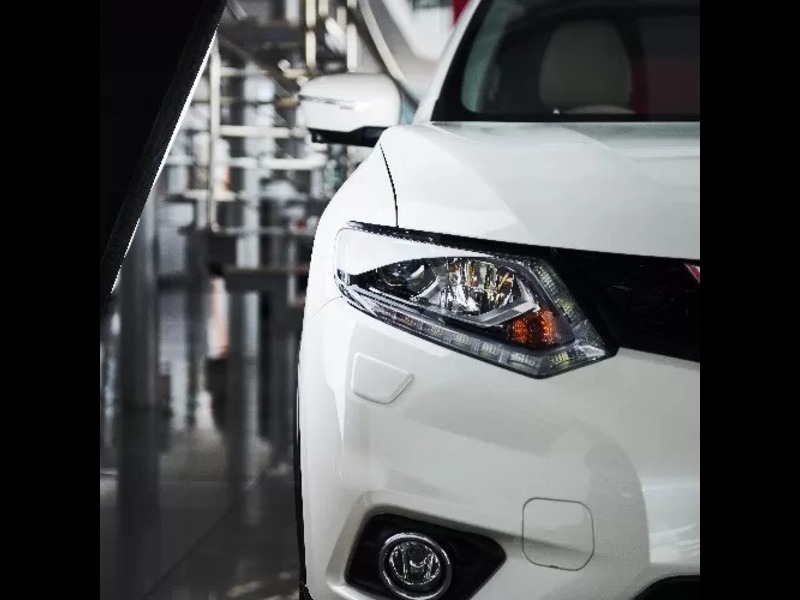
The United Arab Emirates has become a global example of innovation, smart infrastructure, and forward-thinking transportation systems. As cities continue to grow and commuting demands increase, shared mobility is emerging as one of the most practical solutions for residents and visitors alike. Whether traveling for work, education, or leisure, many people now rely on services like carlift service dubai to enjoy affordable, convenient, and efficient transportation between the country’s busiest cities. This growing preference reflects a broader shift toward smarter travel options that reduce costs while improving convenience.
Understanding Shared Mobility
Shared mobility refers to transportation services that allow multiple people to use the same vehicle instead of traveling separately. These services include carpooling, ride-sharing, shuttle services, and organized transport solutions that help reduce traffic congestion and transportation costs.
Unlike traditional commuting methods that require every individual to own and drive a personal vehicle, shared mobility maximizes the use of existing transportation resources. This approach creates a more sustainable and efficient transportation network while offering commuters greater flexibility.
As urban populations continue to expand, shared mobility has become an important part of modern city planning throughout the UAE.
Why Shared Mobility Is Growing in the UAE
Several factors have contributed to the rapid growth of shared transportation across the Emirates.
Population Growth
The UAE continues to attract professionals from around the world. With increasing numbers of people living in cities like Dubai, Abu Dhabi, Sharjah, and Ajman, transportation demand has naturally increased.
Many professionals travel between cities every day, making shared transportation an attractive alternative to driving alone.
Rising Transportation Costs
Owning and maintaining a private vehicle involves expenses such as:
- Fuel
- Insurance
- Maintenance
- Parking
- Vehicle depreciation
Shared transportation helps distribute these costs among passengers, making daily commuting significantly more affordable.
Urban Expansion
Business districts, residential communities, and industrial zones continue expanding throughout the UAE. As people choose to live farther from their workplaces, reliable intercity transportation becomes increasingly important.
Shared mobility bridges this gap by providing consistent travel options without requiring everyone to purchase a personal vehicle.
The Role of Technology
Technology has transformed the transportation industry.
Modern booking systems allow passengers to:
- Reserve rides online
- Schedule recurring trips
- Receive travel notifications
- Track arrival times
- Make secure digital payments
These features create a smoother travel experience while helping transportation providers improve efficiency.
Artificial intelligence is also beginning to optimize route planning by reducing unnecessary detours and matching passengers traveling in similar directions.
Sustainability and Environmental Benefits
Environmental responsibility has become a major focus worldwide, and the UAE is actively investing in greener transportation solutions.
Shared mobility supports sustainability by reducing the number of vehicles on the road.
When several commuters share one vehicle instead of driving separately, it leads to:
- Lower fuel consumption
- Reduced traffic congestion
- Fewer carbon emissions
- Improved road efficiency
This aligns well with the UAE’s long-term sustainability initiatives and smart city development goals.
Reduced Traffic Congestion
Traffic congestion affects productivity, fuel consumption, and overall quality of life.
Every additional private vehicle contributes to road congestion, especially during peak commuting hours.
Shared mobility helps reduce traffic by encouraging multiple passengers to travel together instead of driving individual cars.
As participation increases, cities experience:
- Better traffic flow
- Shorter travel times
- Less parking demand
- Improved road safety
These benefits create a more efficient transportation ecosystem for everyone.
Greater Accessibility
Not everyone owns a vehicle.
Some residents may:
- Prefer not to drive
- Be new to the UAE
- Have limited transportation options
- Want to reduce commuting expenses
Shared mobility provides accessible transportation without requiring long-term vehicle ownership.
This flexibility benefits students, tourists, office workers, and temporary residents alike.
Supporting Economic Growth
Efficient transportation directly supports economic development.
Businesses depend on employees arriving on time, while customers require reliable access to commercial areas.
Shared transportation contributes by:
- Improving workforce mobility
- Reducing commuting stress
- Supporting local businesses
- Connecting residential and commercial zones
Efficient transportation systems make cities more attractive for investment and business expansion.
Integration with Smart Cities
The UAE has invested heavily in smart city technologies.
Future transportation systems are expected to integrate seamlessly with:
- Smart traffic management
- Digital payment platforms
- Public transportation networks
- Navigation systems
- Mobile applications
Passengers will increasingly enjoy connected travel experiences where planning an entire journey becomes simple through a single digital platform.
This level of integration improves convenience while maximizing transportation efficiency.
The Future of Electric Shared Transportation
Electric vehicles are becoming increasingly common across the UAE.
As charging infrastructure expands, more shared transportation providers are expected to adopt electric fleets.
Electric shared vehicles offer several advantages:
- Lower operating costs
- Reduced emissions
- Quieter journeys
- Improved energy efficiency
Combined with renewable energy initiatives, electric transportation will play an important role in the future of sustainable mobility.
Flexible Travel Solutions
Modern commuters expect transportation that adapts to their schedules.
Future shared mobility services will likely offer:
- Custom pickup locations
- Flexible departure times
- Subscription travel plans
- On-demand bookings
- Personalized travel recommendations
These innovations will make commuting even more convenient for busy professionals.
Improved Safety Standards
Safety remains a top priority for transportation providers.
Future developments may include:
- Enhanced driver verification
- Real-time vehicle monitoring
- Emergency assistance features
- Digital passenger verification
- Predictive maintenance systems
Technology will continue improving both passenger confidence and operational reliability.
Data-Driven Transportation
Transportation providers increasingly rely on data analytics.
By studying travel patterns, providers can:
- Optimize routes
- Reduce wait times
- Improve scheduling
- Better allocate vehicles
- Enhance customer satisfaction
Data-driven decision-making helps create a more efficient transportation network while lowering operational costs.
The Impact on Daily Commuters
For many residents, daily commuting represents a significant part of the day.
Shared mobility improves this experience by offering:
- Lower travel expenses
- Reduced driving fatigue
- More productive travel time
- Greater convenience
- Consistent transportation availability
Passengers can use commuting time to read, answer emails, prepare for meetings, or simply relax instead of focusing on driving.
This contributes to improved work-life balance and overall well-being.
Challenges That Need Attention
Despite its rapid growth, shared mobility still faces several challenges.
These include:
- Managing peak-hour demand
- Maintaining consistent service quality
- Expanding coverage to new communities
- Coordinating with public transportation
- Adapting to changing commuter preferences
Addressing these challenges will require continued investment in infrastructure, technology, and customer-focused services.
Government Support and Vision
The UAE government continues to encourage innovation in transportation through investments in infrastructure, digital transformation, and sustainability initiatives.
Policies supporting smart mobility encourage both public and private organizations to develop efficient transportation solutions that improve urban living.
As transportation networks become more connected, residents can expect faster, safer, and more reliable travel experiences across the Emirates.
Looking Ahead
The future of shared mobility in the UAE looks exceptionally promising. Advances in technology, increasing environmental awareness, and growing demand for cost-effective transportation are reshaping how people travel every day. Shared transportation is no longer viewed as simply an economical alternative—it is becoming a key component of a smarter, more sustainable transportation ecosystem.
As innovation continues, commuters will benefit from safer vehicles, intelligent routing, electric fleets, and seamless digital experiences that simplify every journey. Businesses, residents, and visitors alike stand to gain from transportation systems that prioritize efficiency, accessibility, and sustainability.
The UAE has consistently demonstrated its commitment to embracing the future, and shared mobility is set to play a central role in that vision. By combining technology, environmental responsibility, and customer convenience, the country is building a transportation model that meets the evolving needs of its growing population while setting a benchmark for modern mobility worldwide.