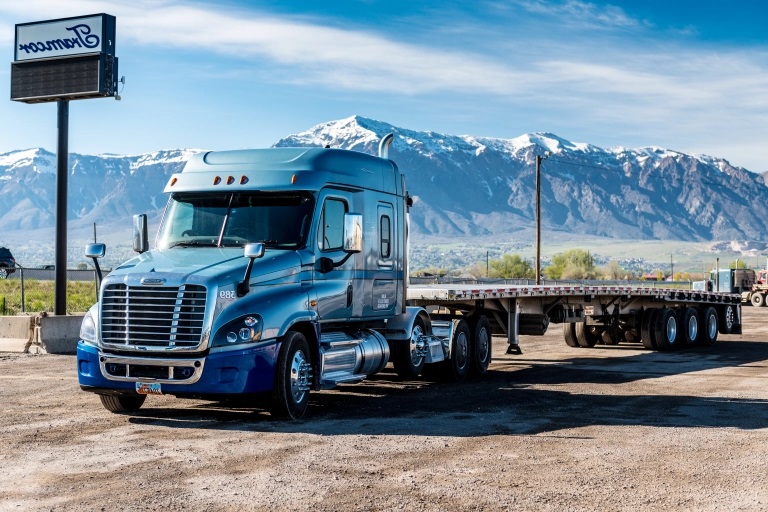
The trucking industry keeps goods moving across the United States every day, connecting manufacturers, distributors, retailers, and consumers through an extensive transportation network. Behind many successful freight operations is a semi truck dispatcher, a professional responsible for coordinating loads, managing schedules, and helping carriers operate efficiently. While truck drivers are often the most visible part of the supply chain, dispatchers play an equally important role in keeping freight moving smoothly.
As freight volumes continue to fluctuate and transportation demands evolve, understanding how dispatching works can help carriers, owner-operators, and logistics professionals make informed decisions about managing their operations.
Why Dispatching Matters in the Trucking Industry
The semi truck dispatch industry relies on careful planning. A truck may travel hundreds or even thousands of miles carrying freight, but the success of that trip often depends on decisions made long before the wheels start moving.
Dispatchers act as coordinators between drivers, brokers, shippers, and receivers. Their responsibilities typically include locating freight opportunities, scheduling pickups and deliveries, monitoring routes, handling paperwork, and addressing unexpected challenges that arise during transit.
Without effective dispatching, carriers can experience delays, increased empty miles, scheduling conflicts, and reduced profitability. For owner-operators who manage their own business, balancing driving responsibilities with load planning can become particularly challenging.
Semi Truck Dispatch Services and Their Core Responsibilities
Many carriers rely on professional semi truck dispatch services to support daily operations. These services focus on administrative and logistical tasks that help drivers stay focused on the road.
Common responsibilities include:
- Searching for suitable freight loads
- Negotiating load rates with brokers
- Planning efficient routes
- Managing appointment schedules
- Tracking shipments in transit
- Handling load documentation
- Coordinating communication between parties
For example, an owner-operator transporting refrigerated goods from Texas to Illinois may need another load for the return trip. A dispatcher can identify backhaul opportunities that reduce empty miles and improve equipment utilization.
This type of support becomes increasingly valuable as market conditions change and freight availability varies across different regions.
How Semi Truck Dispatch Helps Owner-Operators
Independent truck drivers often wear multiple hats. In addition to driving, they must manage customer relationships, paperwork, compliance requirements, and business finances.
Effective semi truck dispatch support allows owner-operators to spend less time searching load boards and more time focusing on transportation operations.
Consider a driver who finishes a delivery in Atlanta. Instead of spending hours reviewing freight listings and negotiating rates, a dispatcher can coordinate the next shipment and organize the necessary details before the current load is completed.
This approach may help reduce downtime and create a more predictable workflow. It can also improve communication with brokers and customers by ensuring someone is available to respond promptly to inquiries and scheduling changes.
The result is often a more organized operation, particularly for drivers managing their business independently.
H2: Semi Truck Dispatcher Responsibilities During Daily Operations
A semi truck dispatcher performs far more than load booking. The position requires problem-solving skills, industry knowledge, and strong communication abilities.
Daily responsibilities often include:
Route Coordination
Dispatchers analyze routes based on delivery schedules, road conditions, fuel costs, and driver availability. Their goal is to help ensure shipments arrive on time while minimizing operational disruptions.
Communication Management
Freight transportation involves multiple stakeholders. Drivers, brokers, shippers, receivers, and warehouse personnel all need accurate information. Dispatchers serve as a central communication point throughout the transportation process.
Issue Resolution
Unexpected situations occur regularly in trucking. Weather delays, mechanical issues, traffic congestion, and appointment changes can all affect delivery schedules. Dispatchers help coordinate alternative plans and communicate updates when disruptions occur.
Administrative Support
Documentation remains a significant part of freight transportation. Dispatchers often assist with rate confirmations, proof-of-delivery paperwork, invoices, and other operational records required throughout the shipping process.
The Process Used to Dispatch Semi Trucks Efficiently
The ability to dispatch semi trucks effectively depends on planning, market awareness, and coordination.
A typical dispatch workflow may include:
- Reviewing available freight opportunities.
- Matching loads with suitable equipment.
- Confirming pickup and delivery requirements.
- Negotiating rates when necessary.
- Sending dispatch instructions to drivers.
- Monitoring shipment progress.
- Managing delivery confirmation and documentation.
For example, a flatbed carrier operating in the Midwest may require freight that aligns with equipment specifications and regional demand patterns. Dispatchers use industry knowledge and market data to identify opportunities that fit those requirements.
Successful dispatching often involves balancing revenue potential, route efficiency, delivery timelines, and regulatory compliance requirements.
Technology and the Future of Dispatch Operations
Technology has transformed how dispatching functions across the transportation sector. Modern software platforms provide visibility into freight availability, vehicle locations, route planning, and shipment status updates.
Many dispatch professionals now use:
- Transportation management systems (TMS)
- Electronic logging device (ELD) integrations
- GPS tracking platforms
- Freight load boards
- Digital document management systems
These tools help improve efficiency while reducing manual administrative work.
For carriers operating across multiple states, technology allows dispatchers to coordinate freight movement more effectively and respond quickly when circumstances change.
As logistics technology continues to advance, dispatch operations are expected to become increasingly data-driven, enabling more accurate planning and resource allocation.
Choosing a Reliable Semi Truck Dispatch Service
Not all dispatch providers offer the same level of support. Carriers evaluating a semi truck dispatch service should consider several important factors.
Industry experience is often one of the most valuable indicators. Dispatchers who understand freight markets, regulations, and equipment requirements are generally better equipped to support transportation operations.
Communication practices also matter. Timely updates, clear instructions, and consistent coordination can significantly impact operational efficiency.
Another consideration is specialization. Some dispatch providers focus on specific equipment types such as dry vans, flatbeds, step decks, hotshots, or reefer units.
Companies such as EverMark Dispatchers operate within this sector by helping carriers manage freight coordination and administrative dispatching tasks. The broader goal across the industry remains the same: improving operational organization while supporting efficient freight movement.
The Importance of Dispatching in the USA Freight Market
The USA semi truck industry transports a significant portion of the nation’s freight. With thousands of carriers competing in dynamic markets, operational efficiency has become increasingly important.
Dispatching helps connect freight opportunities with available equipment while supporting communication between transportation stakeholders. Whether a carrier operates a single truck or an entire fleet, effective coordination contributes to smoother operations and improved scheduling.
As supply chains continue evolving, dispatch professionals remain a critical part of freight transportation. Their work supports route planning, load management, communication, and problem resolution across the trucking ecosystem.
In conclusion, a semi truck dispatch service plays an important role in modern transportation by helping carriers manage freight operations efficiently. From coordinating shipments and reducing downtime to supporting communication and administrative processes, dispatching remains a valuable function within the American trucking industry.