


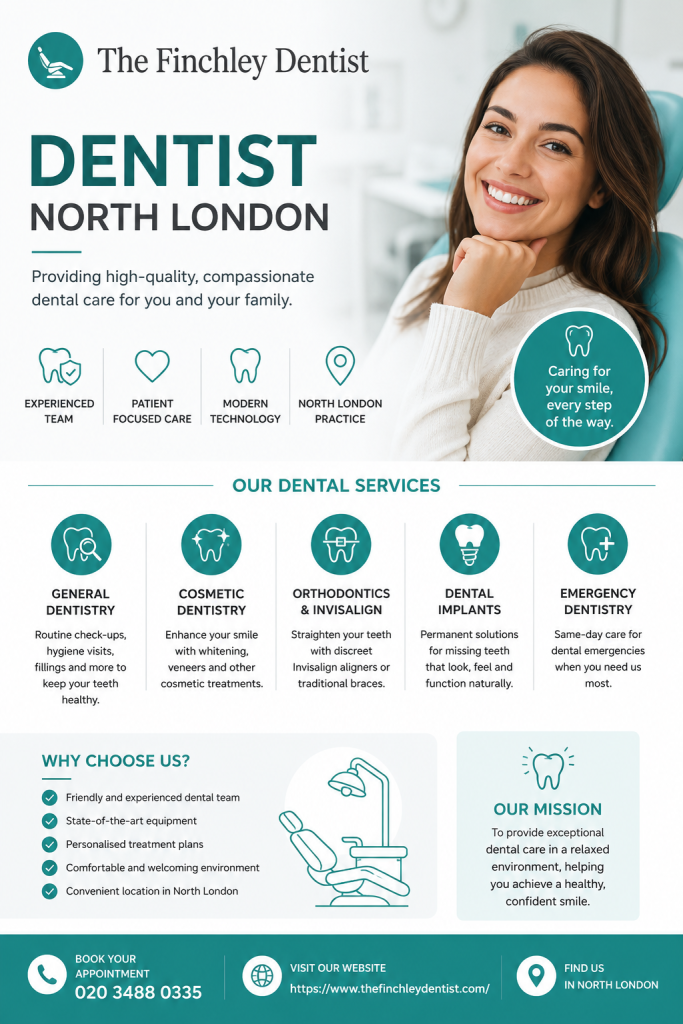
Dental problems rarely check your calendar before showing up. One moment everything feels fine, and the next you are dealing with sharp pain, swelling, or a tooth that suddenly decides it has had enough. It is in these moments that people often search for Emergency Dentist in North London because the priority quickly shifts from routine care to getting fast relief and clear answers about what is happening.
Why Dental Emergencies Feel So Sudden
Most dental emergencies do not appear out of nowhere, even if it feels that way. Small issues like early decay, tiny cracks, or mild gum irritation can develop quietly over time. Because these changes are often painless at first, they are easy to ignore.
Then something triggers them. It could be biting into something hard, a bit of pressure while chewing, or sometimes nothing obvious at all. That is when discomfort turns into something more urgent.
A common example is a tooth that has been slightly sensitive for weeks but suddenly becomes sharp and persistent overnight. Many people are surprised by how quickly things can escalate, especially when it interferes with sleep or eating.
Recognising When It Needs Urgent Attention
Not every dental issue is an emergency, but some signs should not be ignored. Acting early can often prevent more complex treatment later.
You should consider seeking urgent dental care if you notice:
- Severe toothache that does not settle
- Swelling in the gums, jaw, or face
- A broken or knocked-out tooth
- Bleeding that does not stop
- Signs of infection such as fever or throbbing pain
Pain is usually the most obvious signal, but swelling and pressure can be just as important. What’s more, infections in the mouth can sometimes spread if left untreated, which is why timely care matters.
What You Can Do Before Seeing a Dentist
While waiting for an appointment, there are a few simple steps that may help ease discomfort. These are not solutions, but they can make things more manageable.
- Rinse gently with warm salt water
- Avoid chewing on the affected side
- Use over-the-counter pain relief if suitable
- Apply a cold compress for swelling
- Keep the area clean without irritating it
It is tempting to avoid looking at the problem altogether, but checking the area carefully can sometimes help you explain symptoms more clearly when you do get seen.
And yes, avoiding crunchy snacks is probably wise. That packet of crisps will still be there later.
Why Quick Dental Care Matters
When pain becomes intense, it is not just about comfort. It is also about preventing further damage. A small cavity, for example, can sometimes progress into deeper infection if left untreated. Similarly, a cracked tooth can worsen under pressure from normal eating or grinding.
This is where urgent dental care plays an important role. Fast assessment helps identify the cause of the issue and decide the right treatment before it develops further.
In many cases, early intervention can mean simpler treatment and a quicker recovery.
Common Causes of Dental Emergencies
Dental emergencies can happen for many reasons, some avoidable and some not. Understanding the common causes can help reduce the risk in the future.
Some frequent triggers include:
- Untreated tooth decay
- Broken or weakened fillings
- Accidental trauma during sports or daily activity
- Gum infections
- Teeth grinding during sleep
A surprising number of people only discover they grind their teeth at night when a dentist points out the wear. It is one of those habits you do not notice until it leaves a clue.
How Dentists Approach Urgent Cases
When someone arrives with sudden pain, the first step is always to understand what is causing it. The symptoms might feel straightforward, but the underlying issue can vary.
The process usually involves:
- A careful examination of the area
- X-rays if needed to see deeper structures
- Identifying whether the issue is infection, damage, or inflammation
- Discussing immediate relief options
- Planning any further treatment if required
The main goal at this stage is to reduce pain and stabilise the situation. Long-term solutions are then considered once the immediate discomfort is under control.
A Common Scenario
Imagine someone waking up in the middle of the night with a throbbing toothache. At first, they try to ignore it, hoping it will settle by morning. By breakfast, even a sip of tea feels uncomfortable.
This is the point where most people start searching for help and come across services for urgent dental support. By the time they are seen, the relief of simply knowing what is wrong often makes a big difference on its own.
Moments like these are more common than people realise, and they highlight why access to prompt care matters.
Preventing Future Emergencies
While not all emergencies can be avoided, regular dental check-ups significantly reduce the risk of sudden problems. Small issues can be spotted early, often before they become painful.
Helpful habits include:
- Brushing twice daily with fluoride toothpaste
- Flossing or cleaning between teeth regularly
- Attending routine dental visits
- Avoiding excessive sugary snacks and drinks
- Wearing a mouthguard for sports if needed
What’s more, paying attention to early signs like sensitivity or mild discomfort can help prevent larger issues from developing unnoticed.
Final Thoughts
Dental emergencies are rarely convenient, and they often appear at the worst possible time. The key is knowing what signs to look for and acting early when something does not feel right. Quick attention not only relieves pain but can also prevent more serious complications later on.
Taking care of your teeth is not just about reacting to problems, but recognising small changes before they turn into bigger ones. And when urgent care is needed, having clear information and support can make a stressful situation much easier to handle.
Read More: https://webyourself.eu/blogs/2037197/Tips-for-Keeping-Your-Smile-Bright-and-Healthy