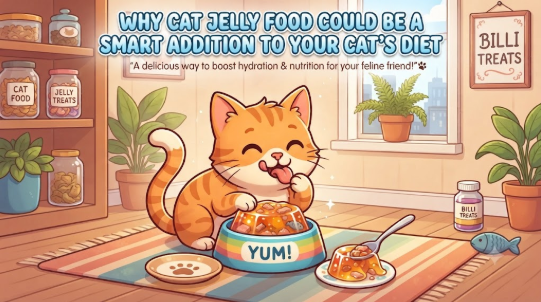
When your cat is feeling unwell, recovering from an illness, or dealing with stress, getting them to eat enough can become a challenge. This is where cat jelly food can make a real difference. Its soft texture, high moisture content, and appealing taste encourage cats to eat while supporting hydration and gentle digestion. Whether your feline companion is a picky eater or simply needs extra nutritional support during recovery, choosing high-quality jelly-based meals can be a practical addition to their daily diet.
What Is Cat Jelly Food?
Cat jelly food is a wet cat meal where tender pieces of meat or fish are served in a soft, flavourful jelly. Unlike dry kibble, jelly-based meals contain significantly more moisture, making them an excellent option for supporting hydration.
High-quality jelly food typically contains:
- Real meat or fish as the primary ingredient
- Natural moisture that supports hydration
- Easy-to-chew texture
- Balanced nutrients for everyday health
Many cat owners choose jelly-based meals because they combine nutrition with excellent palatability, making them suitable for cats of different ages.
Why Do Cats Love Jelly-Based Food?
Cats naturally prefer foods with strong aromas and soft textures. Jelly enhances both.
The jelly coating helps lock in flavour and moisture, making meals more attractive even for cats that have temporarily lost their appetite.
This becomes particularly helpful when cats experience:
- Illness
- Surgery recovery
- Dental discomfort
- Travel-related stress
- Environmental changes
For many cats, eating a soft meal requires less effort than chewing dry food.
Is Cat Jelly Food Good During Sickness?
Yes. One of the biggest advantages of cat jelly food is its usefulness during periods of illness.
When cats become sick, they often eat less and drink less. Reduced food intake can slow recovery and increase the risk of dehydration.
A moisture-rich jelly meal helps by:
- Providing additional fluids
- Offering soft, easy-to-swallow nutrition
- Encouraging appetite through appealing aroma
- Being gentle on sensitive stomachs
Although cats with medical conditions should always follow veterinary advice, jelly food is often easier for recovering cats to accept than dry food.
Can Cat Jelly Food Help During Recovery?
Recovery after surgery, injury, or illness requires proper nutrition.
Cat jelly food supports recovery because cats generally need adequate protein, hydration, and energy to heal efficiently.
Its soft consistency reduces chewing effort, which benefits cats recovering from:
- Dental procedures
- Mouth injuries
- Minor surgeries
- Viral infections
- Digestive upset
Providing nutritious wet meals can help maintain body weight while encouraging consistent eating habits during recovery.
Does Cat Jelly Food Reduce Stress-Related Appetite Loss?
Many cats stop eating when they experience stress.
Common causes include:
- Moving to a new home
- Boarding
- Introducing another pet
- Loud celebrations
- Veterinary visits
Cats under stress may refuse dry food but willingly eat moist meals with stronger aromas.
Serving cat jelly food during stressful periods may help encourage regular eating while also supporting hydration.
Is Cat Jelly Food Suitable for Everyday Feeding?
Yes, provided it is nutritionally balanced and made with quality ingredients.
Many cat owners include cat jelly food as part of their regular feeding routine because it offers several everyday benefits.
These include:
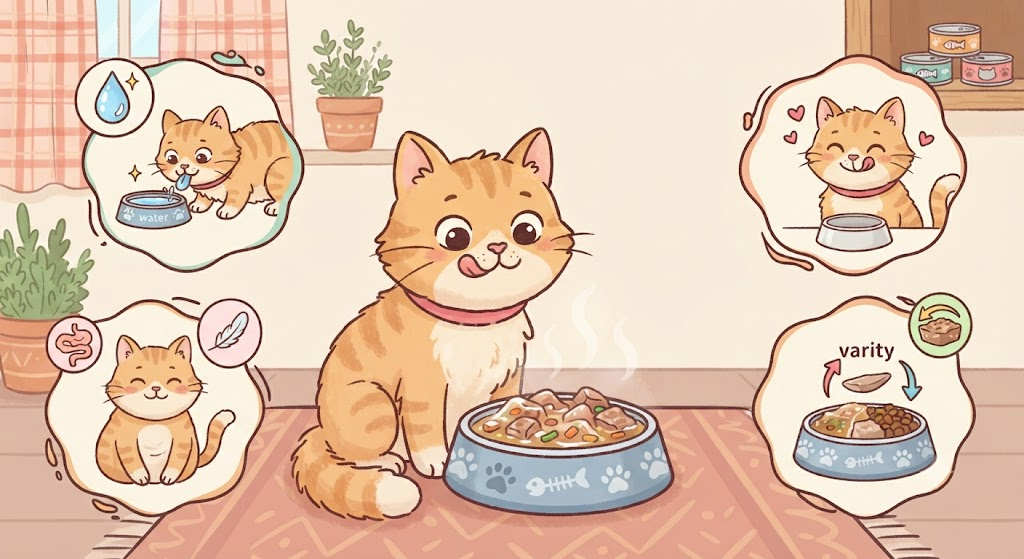
Better Hydration
Cats naturally drink less water than many other animals. Wet meals provide additional moisture that supports urinary health and overall hydration.
Improved Appetite
The appealing texture and aroma encourage cats to finish their meals, especially selective eaters.
Easier Digestion
Soft meals can be easier for some cats to digest compared with hard kibble.
Variety in the Diet
Alternating textures helps keep mealtimes interesting while preventing food boredom.
What Should You Look for When Buying Cat Jelly Food?
Not every product offers the same nutritional quality.
When choosing cat jelly food, consider the following:
Real Protein First
Look for real chicken, fish, or other quality animal protein as the main ingredient.
Natural Ingredients
Choose products made without unnecessary artificial colours or preservatives.
Fresh Preparation
Freshly prepared food often retains better taste and texture than heavily processed alternatives.
Balanced Nutrition
Ensure the meal provides complete and balanced nutrition appropriate for your cat’s life stage.
Trusted Brand
Purchase from brands that prioritise ingredient quality, food safety, and transparency.
Why More Cat Owners Choose Fresh Homemade Options
As awareness of pet nutrition grows, many owners now prefer fresh homemade meals over highly processed alternatives.
Fresh recipes often provide:
- Better ingredient quality
- Natural flavours
- Fewer unnecessary additives
- Excellent palatability
- High moisture content
For cat owners looking for trustworthy options, Billi Treats offers fresh, homemade, preservative-free cat food prepared with carefully selected ingredients. Their jelly recipes are designed to deliver natural flavour while supporting everyday nutrition, making them a suitable option for cats that appreciate fresh meals.
How Often Should You Feed Cat Jelly Food?
The ideal feeding schedule depends on your cat’s age, activity level, and overall health.
Some owners serve jelly meals:
- As a complete daily meal
- Alongside dry food
- During illness or recovery
- As an appetite booster
- During stressful life events
Always follow feeding guidelines and consult your veterinarian if your cat has a specific medical condition or special dietary requirements.
Frequently Asked Questions
Is cat jelly food healthier than dry food?
Both can be healthy when nutritionally balanced. Jelly food provides higher moisture content, which supports hydration and may benefit cats that do not drink enough water.
Can kittens eat cat jelly food?
Many jelly foods are suitable for kittens if specifically formulated for their age. Always check the product label before feeding.
Can senior cats benefit from cat jelly food?
Yes. Senior cats often prefer softer meals because they are easier to chew and swallow, especially if they have dental issues.
Is cat jelly food suitable for picky eaters?
Yes. The soft texture and rich aroma often make jelly food more appealing than dry kibble for selective cats.
Can I feed cat jelly food every day?
Yes, provided it is a complete and balanced diet that meets your cat’s nutritional requirements.
Conclusion
Adding cat jelly food to your cat’s diet can be a practical choice during sickness, recovery, or stressful periods while also offering everyday benefits like improved hydration, easier eating, and excellent taste. By selecting fresh, high-quality recipes made with natural ingredients, you can help support your cat’s overall well-being. Choosing trusted options such as Billi Treats’ homemade, preservative-free meals gives pet owners added confidence that every serving is prepared with freshness, quality, and care.